In a rapidly evolving world that grapples with the alarming consequences of climate change, the introduction of innovative technologies often paves the way for groundbreaking solutions. Among these technologies, pyrolysis emerges as a beacon of hope—a method that could potentially transform waste management and energy generation. The tBJ Proposal, which envisions the establishment of 400,000 pyrolysis plants globally, presents a compelling vision for achieving a more sustainable future. This article delves into the myriad facets of the proposal, exploring how pyrolysis can catalyze a significant positive impact on climate change and what readers can expect from such a sweeping initiative.
The Essence of Pyrolysis: Understanding the Process
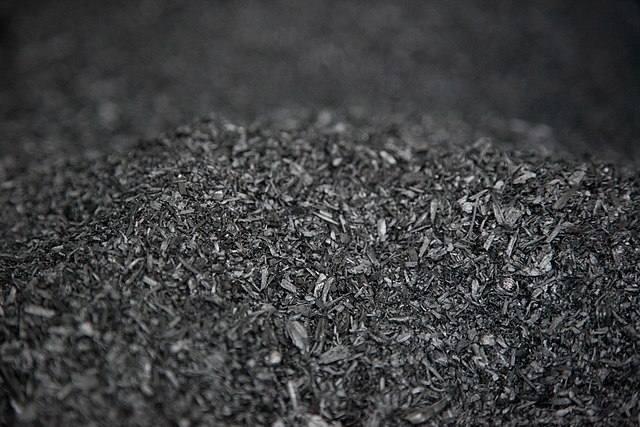
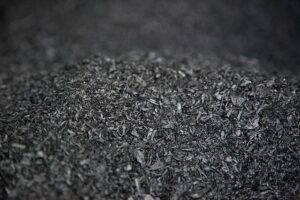
At its core, pyrolysis is a thermochemical decomposition process that occurs in the absence of oxygen. By subjecting organic materials—such as plastics, biomass, and other waste—to high temperatures, pyrolysis breaks down these substances into valuable byproducts such as bio-oil, syngas, and charcoal. This process not only mitigates landfill dependency but also recovers energy from materials usually deemed non-recyclable. With its capacity to convert waste into useful energy, pyrolysis stands at the intersection of waste management and renewable energy production, presenting a sustainable alternative to conventional methods.
Environmental Benefits: A Green Revolution
The environmental ramifications of the 400,000 pyrolysis plants proposed in the tBJ initiative are profound. First and foremost, the implementation of such a network would remarkably diminish the volume of waste plaguing urban landscapes. The conversion of plastics and other non-biodegradable materials into energy-rich products can drastically reduce landfill overflow and, consequently, the associated greenhouse gas emissions.
Moreover, pyrolysis has the potential to supplant fossil fuels in energy generation. The bio-oil produced during pyrolysis can be utilized as a substitute for conventional diesel fuel, enabling a transition to a more circular economy. In doing so, the reliance on oil extraction remains curtailed, ensuring a reduction in environmental degradation and oil spills.
Another critical aspect lies in the reduction of carbon footprints. When waste decomposes anaerobically in landfills, it generates methane—a potent greenhouse gas. Conversely, the pyrolysis process significantly reduces methane emissions, thereby contributing to climate stabilization efforts and aligning with global greenhouse gas reduction targets.
Economic Impact: Job Creation and Innovation
Beyond environmental advantages, the tBJ Proposal also harbors considerable economic implications. The establishment of 400,000 pyrolysis plants encompasses a vast array of job creation opportunities. Positions will span various fields, including engineering, manufacturing, plant operation, and maintenance. Such employment prospects, particularly in regions heavily reliant on traditional waste management methods, will stimulate local economies and empower communities.
Furthermore, the innovation embedded within the pyrolysis industry fosters research and development, propelling advancements in technology and efficiency. As more companies invest in this burgeoning field, competition may drive down costs and enhance accessibility, ultimately benefitting consumers and industries alike.
Community Engagement: Involving Stakeholders
For the tBJ Proposal to realize its potential, the involvement of local communities and stakeholders is paramount. Educational outreach programs can inform the public about the benefits of pyrolysis and integrate them into the decision-making process. Active engagement provides a forum for community concerns, allowing for collaborative solutions to arise. Successful implementation will necessitate a shared vision, reinforcing the principle that collaboration is key to achieving substantial advancements in sustainability.
Challenges and Solutions: Navigating Roadblocks
While the prospects of 400,000 pyrolysis plants are indeed promising, it is crucial to recognize and address the challenges that may impede progress. Initial capital investment represents a significant barrier; however, innovative financing models, such as public-private partnerships or green bonds, may mitigate these concerns. By leveraging diverse funding sources, stakeholders can offset costs and galvanize support for the initiative.
Operational challenges arise as well, encompassing technology adaptation and regulatory compliance. The establishment of standardized protocols will ensure that pyrolysis plants operate optimally while adhering to safety and environmental regulations. Moreover, as pyrolysis technology continues to advance, ongoing training programs can empower workers to embrace emerging methods and best practices.
The Global Landscape: Pyrolysis Beyond Borders
The concept of establishing a global network of pyrolysis plants extends far beyond any single nation’s borders. Collaborative international efforts will be fundamental in facilitating technology transfer and knowledge exchange. By learning from successful implementations worldwide, countries can tailor pyrolysis systems to meet their unique waste management challenges.
Furthermore, integrating pyrolysis into global climate strategies will reinforce international commitments to reducing carbon emissions and promoting sustainable practices. The convergence of efforts at local, national, and international levels will ultimately catalyze a paradigm shift towards environmental stewardship.
The Future of Pyrolysis: A Sustainable Vision
Envisioning 400,000 pyrolysis plants as a cornerstone in the fight against climate change encapsulates an ambitious yet necessary goal. As the world faces the growing urgency of environmental preservation, innovative solutions like pyrolysis illuminate the pathway forward. By harnessing the potential of waste and transforming it into energy and resources, we can forge a sustainable future.
In conclusion, the tBJ Proposal calls upon us to re-imagine our relationship with waste. It presents a remarkable opportunity to not only address pressing environmental issues but also to stimulate economic growth and community engagement. As proponents of sustainability, we must embrace the promise of pyrolysis and advocate for its integration into our waste management strategies. With collective effort and unwavering commitment, the vision of 400,000 pyrolysis plants can indeed become a reality, ushering in a new era of environmental consciousness and action.