Climate change stands as one of the most formidable challenges of our time, demanding innovative solutions that not only mitigate its effects but actively reverse damage already incurred. Among the myriad of strategies available, biochar emerges as a compelling contender. This carbon-rich material, produced through the pyrolysis of biomass, is not merely a carbon sink; it serves as an invaluable asset in the quest for sustainable agriculture, environmental restoration, and climate stabilization. In this exploration, we will unveil the multifaceted pathways through which biochar can combat climate change.
The Science Behind Biochar
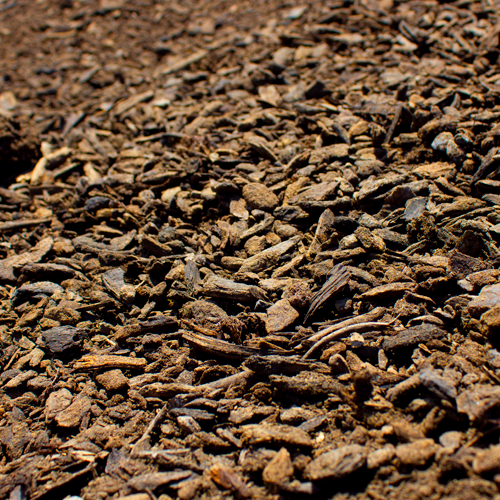
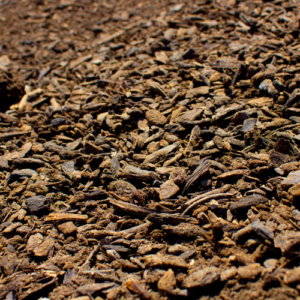
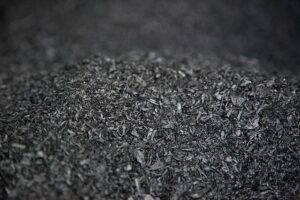
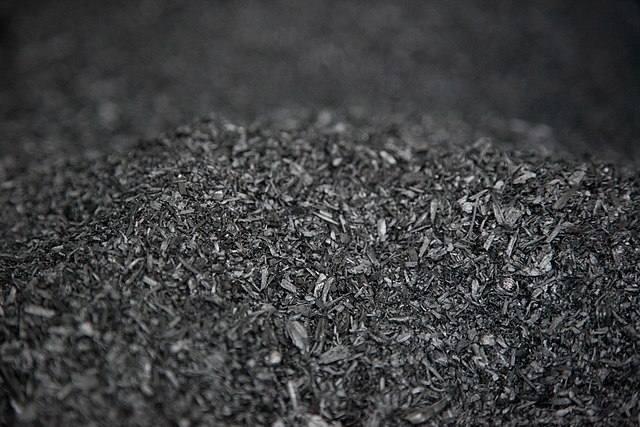
At its core, biochar is the byproduct of thermal degradation of organic materials in a low-oxygen environment, a process known as pyrolysis. Unlike traditional combustion, which releases the entirety of biomass’s carbon content into the atmosphere as CO2, pyrolysis captures and sequesters carbon in a stable form. This permanence is crucial; biochar can remain in soil for decades, thus acting as a long-term carbon storage solution. Remarkably, its carbon stability offers an imaginative recontextualization of waste materials. Wood chips, agricultural residues, and even waste from municipal sources can be transformed from an environmental liability into a climate-positive resource.
Soil Fertility and Agricultural Resilience
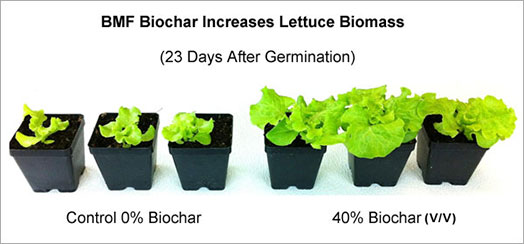
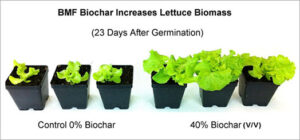
One of the most compelling applications of biochar lies within the realm of agriculture. Through its incorporation into soil, biochar enhances nutrient retention and improves soil structure. This revitalization of the soil ecosystem promotes healthier plant growth and, consequently, yields. In arid regions, biochar’s water-retention properties can significantly bolster drought resistance, offering farmers a viable solution in the face of climatic variability.
Furthermore, biochar acts as a habitat for beneficial microorganisms, fostering a synergistic relationship that amplifies the soil’s fertility. This positive feedback loop generates a fertile environment for crops, which can lead to increased food production without the necessity for harmful chemical fertilizers. As global populations continue to burgeon, such practices may prove indispensable in meeting food demands while simultaneously curtailing agricultural emissions.
Carbon Sequestration: A Long-Term Solution
The essence of biochar’s contribution to climate change mitigation lies in its ability to sequester carbon. When applied to agricultural lands, biochar can effectively sequester anywhere from 1.5 to 3 billion tons of carbon per year if adopted at scale globally. By diverting organic waste from landfills and incorporating it into the soil, we not only avert methane emissions—a potent greenhouse gas—but also enhance the soil’s capacity to sequester additional carbon in the longer term.
This shift in carbon dynamics exemplifies a paradigm shift; biochar can transform the traditional view of waste management and agricultural practices into a closed-loop system that champions carbon neutrality. However, an astute utilization of biochar mandates rigorous monitoring and management to fully harness its potential and avert pitfalls, such as nutrient leaching or soil acidification.
Mitigating Greenhouse Gas Emissions
Biochar’s efficacy extends beyond carbon sequestration, contributing to a reduction in other greenhouse gases as well. For instance, soil enriched with biochar has shown to reduce nitrous oxide emissions, a greenhouse gas approximately 298 times more potent than CO2 over a century. The porous structure of biochar facilitates the absorption of nitrogen, thereby minimizing the release of this greenhouse gas into the atmosphere.
Moreover, when deployed in anaerobic digesters, biochar can improve biogas yields by enhancing the decomposition of organic materials. This synergistic functionality not only aids in producing renewable energy but further augments the holistic approach toward reducing overall emissions.
Waste Management and Circular Economy
In our pursuit of sustainability, waste management practices require a radical overhaul. Biochar fabrication presents an innovative solution to the world’s excess biomass waste, effectively bridging the gap between waste and resource. From agricultural residues to forestry waste, excess organic materials can be converted into biochar rather than contributing to landfill overflow. By aligning biochar production with a circular economy, communities can shift their waste management strategies from extraction and disposal to regeneration and reuse.
This model encourages not only environmental stewardship but also economic growth through the creation of green jobs in biochar production and application sectors. As local economies adopt biochar-based practices, they fortify their resilience against climate-induced adversities and stimulate adaptive strategies to combat future challenges.
Community Engagement and Educational Outreach
Changing the narrative around biochar and its benefits requires active engagement at the community level. Educational outreach initiatives can illuminate the practical applications of biochar in local agriculture, waste management, and broader climate strategies. Through workshops, demonstrations, and collaborative projects, stakeholders can harness local knowledge while integrating scientific expertise, fostering a holistic understanding of biochar’s potential.
Community gardens and urban farms can serve as laboratories for experimentation, where the tangible benefits of biochar are observed firsthand. Such grassroots efforts not only empower community members but also foster a sense of ownership in the climate action narrative.
The Road Ahead
As we chart a path towards a sustainable future, biochar offers a profound solution imbued with promise—a veritable beacon of hope amidst the cacophony of climate-related challenges. Through its myriad applications from enhancing soil fertility to acting as a bulwark against greenhouse gas emissions, biochar presents a paradigm shift in how we view carbon, waste, and our interactions with the environment.
To grasp the full potential of biochar in combating climate change, integrated approaches that blend scientific research, technological innovation, and community engagement will be indispensable. With collective effort and enlightened perspectives, we can harness biochar as a transformative tool—one that not only revitalizes ecosystems but also rebuilds our relationship with the planet, paving the way for a resilient and sustainable future.