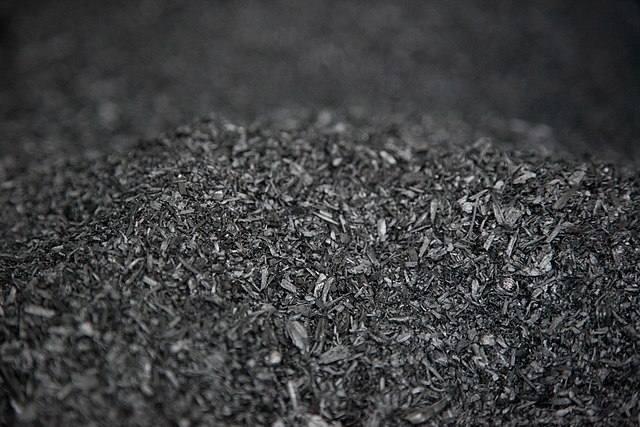
In the realm of environmental science and sustainable agriculture, soil carbon sequestration emerges as an alluring solution to combat climate change. One of the most groundbreaking methods within this paradigm is the incorporation of biochar—a charcoal-like substance produced from the pyrolysis of organic materials. This innovative approach not only enhances soil health but also serves as a viable carbon sink. As research unfolds, it reveals a symbiotic relationship between biochar and soil carbon sequestration, piquing the curiosity and optimism of scientists and ecologists alike.
The Mechanism of Biochar: A Carbon Reservoir
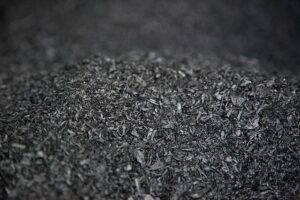
Understanding biochar begins with delving into its creation. Through pyrolysis—a thermochemical process wherein biomass is heated in the absence of oxygen—potentially harmful carbon emissions are curtailed, while simultaneously producing a stable carbon compound. This stability is paramount; biochar remains in the soil for centuries, sometimes even millennia, capturing carbon dioxide that would otherwise contribute to atmospheric greenhouse gas concentrations.
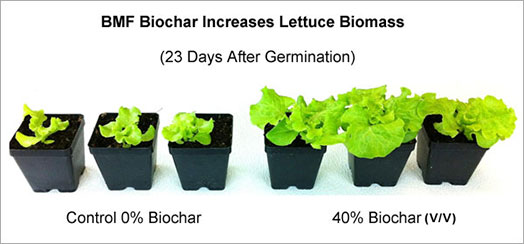
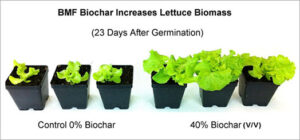
Upon introduction to the soil, biochar transforms the biological landscape. Its porous structure enhances soil aeration and moisture retention, facilitating better root penetration and fostering a vibrant microbial community. Unique surface chemistry promotes nutrient exchange, thereby rendering essential elements like nitrogen and phosphorus more bioavailable. This intricate interplay fundamentally alters the soil matrix, paving the way for carbon sequestration to take root.
Current Research: Expanding Horizons
Recent studies are scrutinizing the multifaceted impacts of biochar on soil carbon sequestration. Researchers have discovered that biochar not only stores carbon but also enhances soil organic carbon (SOC) stability. When introduced into soil, biochar can form complexes with existing organic matter, effectively reducing the oxidation rate of soil carbon. This multifactorial approach culminates in a significant increase in the soil’s carbon pool.
Moreover, the interplay between biochar application and varying ecological contexts brings forth a plethora of intriguing findings. Investigations reveal that biochar’s efficiency is influenced by factors such as soil type, climate, and land management practices. For instance, in highly weathered tropical soils, biochar has demonstrated exponential carbon retention capabilities, while temperate regions showcase variable responses based on geographic and biotic factors.
Implications for Agriculture and Climate Policy
Since research continues to unveil biochar’s promise, an imperative dialogue is surfacing around its implications for agriculture and climate policy. As global agricultural systems face the dual pressures of feeding a burgeoning population and mitigating climate change effects, biochar serves as a beacon of hope. The strategic incorporation of biochar within crop rotation systems could yield pragmatic solutions—enriching soil fertility while sequestering carbon.
Moreover, the emergence of carbon markets adds another layer of intrigue. Farmers who adopt biochar practices could potentially participate in carbon credit trading. This financial incentive not only benefits individual farmers but also contributes to broader climate strategies aimed at reducing carbon footprints.
The Challenges Ahead
Furthermore, public perception plays a pivotal role in the acceptance of biochar within sustainable practices. While scientific discourse emphasizes its benefits, bridging the gap to inform and involve local communities is essential. Education around biochar and its multifaceted advantages must extend beyond academic circles to cultivate a grassroots understanding and acceptance.
The Future Landscape of Soil Carbon Sequestration
As research endeavors continue to illuminate the complexities surrounding biochar’s application, the discourse surrounding soil carbon sequestration is poised to evolve. The intricate relationship between biochar, soil health, and atmospheric carbon dynamics beckons further inquiry into sustainable practices and environmental stewardship.
In anticipation of future breakthroughs, an imaginative lens toward regenerative agricultural practices can recalibrate how societies perceive farming—not merely as a means of sustenance but as an integral player in the fight against climate change. By re-envisioning carbon sequestration through the prism of biochar, a transformative narrative cultivates optimism around the potential for harmonious coalescence between human activity and environmental preservation.
Conclusion: A Paradigm Shift
Ultimately, soil carbon sequestration with biochar embodies a compelling narrative within the critical discourse on climate mitigation strategies. As ongoing research further elucidates its role in enhancing soil vitality and fostering carbon storage, our perspectives on farming, sustainability, and ecological balance are destined to shift. A collaborative effort to harness the benefits of biochar could not only enrich the earth’s soils but also lead humanity toward a more sustainable and resilient future.