In the ongoing battle against climate change, researchers are actively investigating innovative methods to mitigate greenhouse gas emissions and enhance soil health. One promising solution that has emerged from this quest is biochar, a carbon-rich material produced through the pyrolysis of organic matter. This article explores why researchers are advocating for biochar as a viable strategy to combat climate change, delving into its production processes, environmental benefits, and the multifaceted applications that make it a revolutionary tool for ecological restoration.
Understanding Biochar: The Creation Process
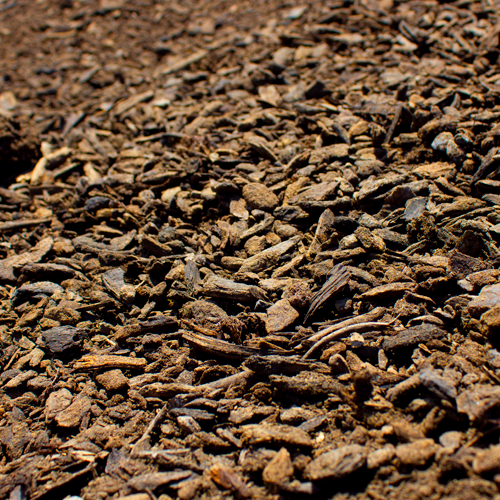
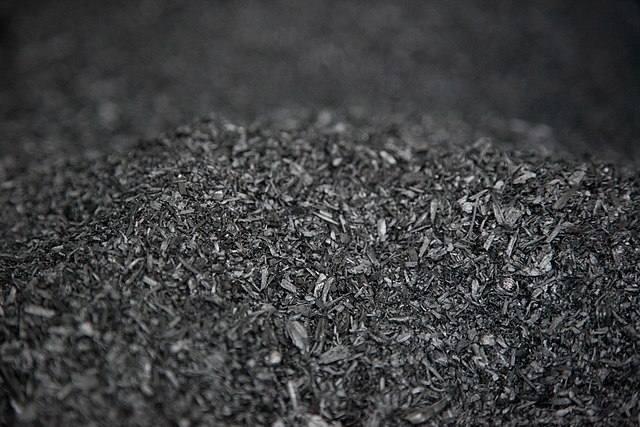
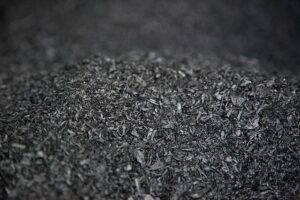
Biochar is created via a thermochemical process known as pyrolysis, where biomass such as agricultural residues, forestry waste, or organic municipal solid waste is subjected to high temperatures in the absence of oxygen. This process not only preserves the carbon contained within the biomass but also transforms it into a stable form that can remain in the soil for centuries. the transformation of these organic materials into biochar results in a product that is rich in carbon, with a porous structure that enhances its ability to retain water and nutrients.
Importantly, the production of biochar can be tailored to utilize a variety of feedstocks, including energy crops, wood chips, or even urban organic waste. This adaptability allows for a decentralized production model, whereby local resources can be utilized to create biochar, thus minimizing transportation emissions and fostering a circular economy.
Biochar’s Role in Carbon Sequestration
One of the most compelling reasons for the growing interest in biochar is its potential for carbon sequestration. In an era marked by urgent calls for greenhouse gas reductions, biochar offers a method to store carbon in a stable form that prevents it from re-entering the atmosphere as carbon dioxide. When biochar is applied to soils, it not only sequesters carbon but can also enhance soil fertility. Studies suggest that biochar can increase soil organic matter, thereby supporting healthy microbial communities that are crucial for soil health.
By sequestering carbon, biochar acts as a significant countermeasure against rising atmospheric CO2 levels, one of the leading contributors to climate change. Researchers have determined that just a modest increase in biochar use could substantially lower global carbon emissions, providing a dual benefit of climate action and improved agricultural productivity.
Enhancements to Soil Health and Agricultural Productivity
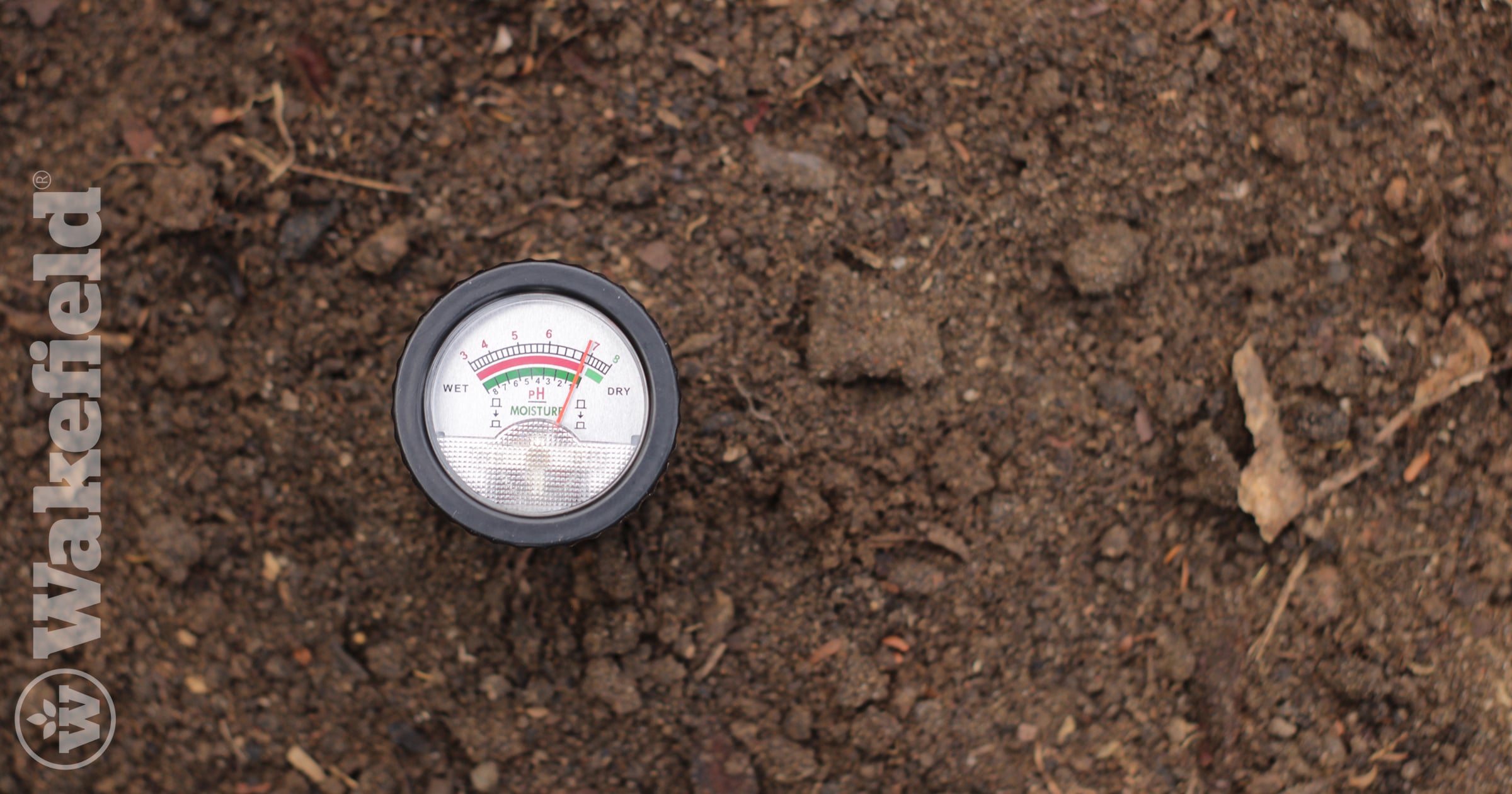
The advantages of biochar extend beyond carbon sequestration; it contributes to enhanced soil health, offering improvements in nutrient retention, enhanced water holding capacity, and increased soil microbial diversity. The porous structure of biochar provides a habitat for beneficial soil organisms, while its chemical properties facilitate better retention of essential nutrients, such as nitrogen and phosphorus.
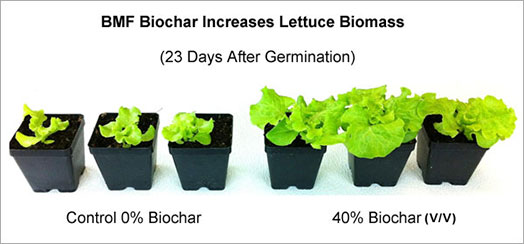
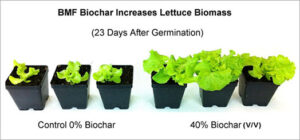
Farmers who incorporate biochar into their agricultural practices report numerous benefits, including improved crop yields, reduced reliance on chemical fertilizers, and enhanced resilience to drought conditions. These improvements stem from biochar’s ability to act as a sponge, retaining moisture and nutrients in the root zone where plants can easily access them. As the global food demand escalates, biochar presents a sustainable approach to increasing agricultural output while minimizing environmental degradation.
Mitigating Soil Erosion and Enhancing Water Quality
Another remarkable attribute of biochar is its potential to combat soil erosion, a significant issue in agricultural landscapes around the world. Soil erosion not only depletes topsoil—the most fertile layer of soil—but also contributes to water pollution. When rainwater washes away topsoil, it can carry with it fertilizers and pesticides, which can degrade water quality in nearby waterways.
The application of biochar can reinforce soil structure by improving aggregate stability, thereby reducing erosion risks. Furthermore, biochar can absorb excess nutrients, mitigating runoff and its adverse impact on aquatic systems. This capacity to enhance water quality positions biochar not only as a component of soil management but also as a key player in watershed protection strategies.
Waste Reduction and Resource Recovery
In addition to its agricultural benefits, biochar also plays a pivotal role in waste management. The production of biochar from organic waste helps to address landfilling issues by diverting biomass from disposal sites. For municipalities grappling with waste overload and the associated greenhouse gas emissions, biochar offers a productive alternative to incineration or landfilling. This process aligns seamlessly with the concepts of waste-to-value and circular economy, wherein waste materials are converted into a valuable resource.
Moreover, communities can create biochar facilities that not only manage waste but also empower local economies by generating jobs in biochar production and distribution. Such initiatives can foster community resilience while promoting sustainable land management practices.
Research and Future Prospects
In the future, biochar could serve as a cornerstone of sustainable agriculture and environmental management strategies, particularly when integrated with other carbon choices such as agroforestry and regenerative farming practices. The synergies created by combining these strategies could yield unprecedented benefits for soil health, carbon reduction, and food security.
Conclusion
Biochar represents an innovative approach to tackling some of the most pressing environmental challenges of our time. From carbon sequestration and enhanced soil fertility to waste reduction and improved water quality, its multifaceted benefits position it as a valuable asset in the ongoing endeavor to combat climate change. Researchers are optimistic that, through continued exploration and advancement, biochar will play a pivotal role in achieving sustainable ecological balance and a more resilient future for generations to come.