As global populations burgeon and the strain on food production escalates, innovative agricultural strategies come to the forefront. Among these, the combination of microbial biofertilizers and biochar emerges as a transformative duo poised to fortify global food security. This article delves into the various dimensions of this partnership, examining its potential to revolutionize agricultural practices while fostering sustainability.
Understanding the Essentials: What are Microbial Biofertilizers and Biochar?
Microbial biofertilizers are organisms that enhance plant growth by increasing nutrient availability and soil fertility. These invaluable agents include a range of beneficial bacteria, fungi, and even algae that engage in symbiotic relationships with plants. By enhancing nutrient uptake, they catalyze a series of biochemical reactions that can significantly elevate crop yields.
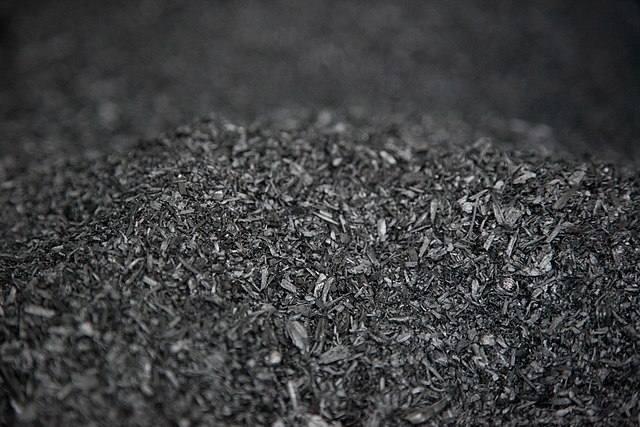
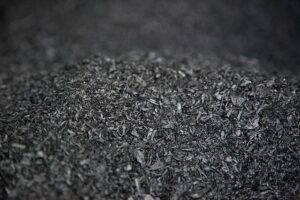
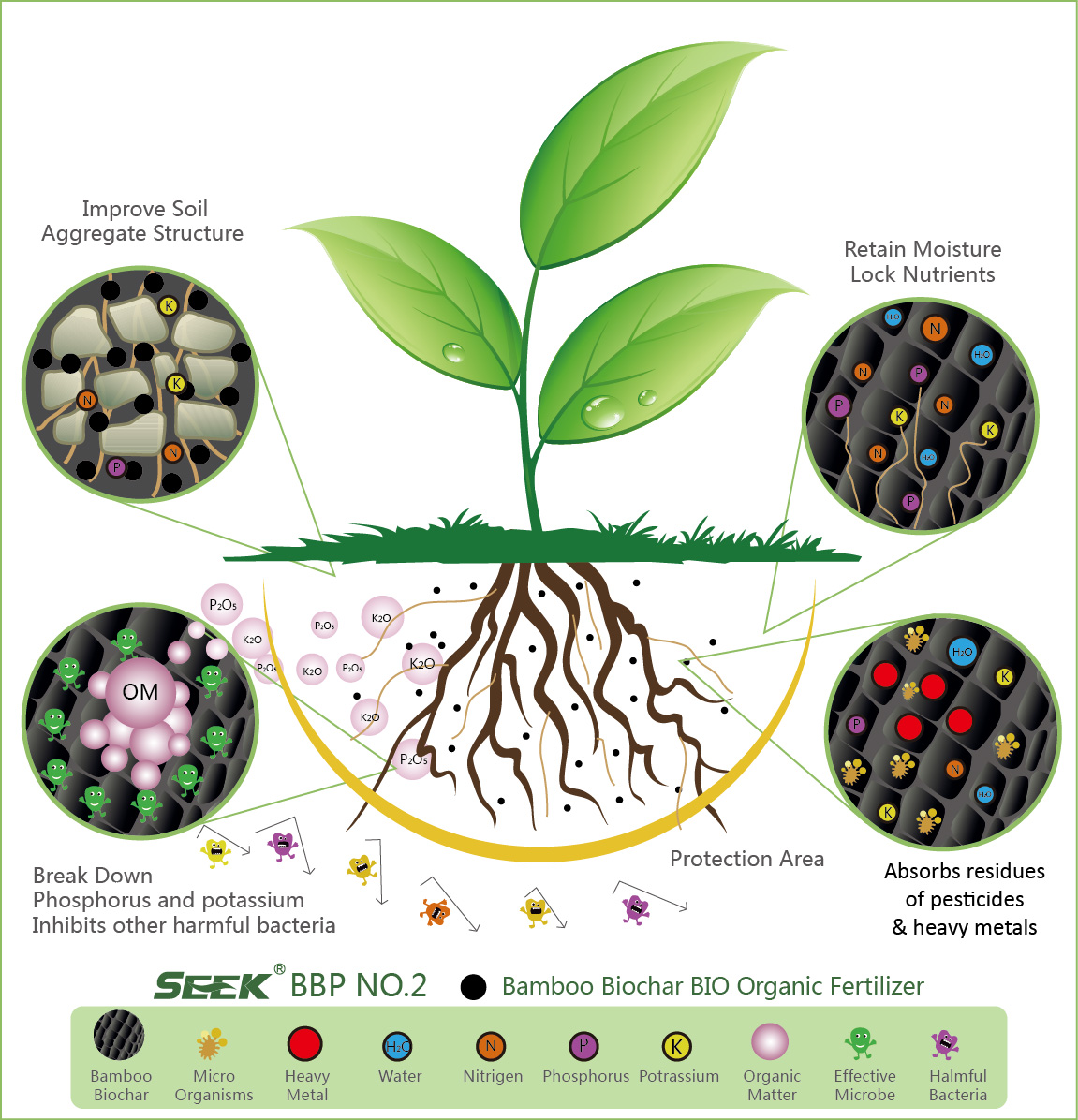
Biochar, on the other hand, is a carbon-rich byproduct obtained from pyrolyzing organic materials such as agricultural residues, forestry waste, and even municipal solid waste. This intriguing material serves not only as a soil amendment but also plays a critical role in carbon sequestration, thus helping combat climate change. The porous structure of biochar ensures improved soil aeration, water retention, and nutrient-holding capacity—attributes essential for thriving agricultural ecosystems.
Synergistic Benefits: The Power of Combining Forces
When microbial biofertilizers are paired with biochar, the outcome is a unique synergy. Biochar creates a hospitable environment for microbial communities, offering protection from adverse conditions and enhancing their survival rates in the soil. In turn, these microorganisms facilitate the breakdown of organic matter, releasing essential nutrients and fostering healthier soil ecosystems.
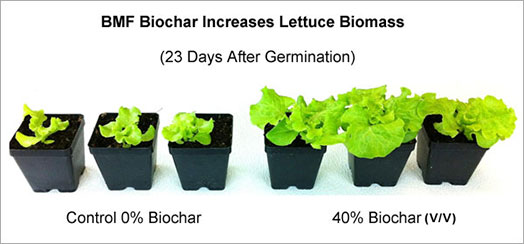
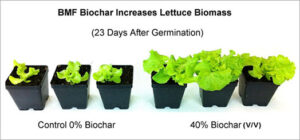
Research has indicated that the combination of these two elements can lead to superior plant growth compared to the use of either component in isolation. The microorganisms thrive within the porous structure of biochar, leading to enhanced metabolic activity and nutrient cycling. Consequently, farmers can expect not just improved crop yields but also enhanced resilience against environmental stressors, a critical advantage in an era marked by climate unpredictability.
Enhancing Soil Health: A Foundation for Sustainable Agriculture
The importance of soil health cannot be overstated in discussions surrounding food security. Healthy soils brim with biodiversity and are capable of fostering productive ecosystems. Microbial biofertilizers improve soil health by increasing microbial biomass and diversity, while biochar enhances soil structure and nutrient retention.
Moreover, biochar’s ability to sequester carbon makes it an alluring solution for carbon farming. By integrating these two components into agricultural practices, farmers not only improve their crop outputs but also contribute to mitigating climate change—an essential aspect of long-term food security. The reduced reliance on synthetic fertilizers is another invaluable benefit; overuse of chemical fertilizers has detrimental effects on soil and water quality, which further jeopardizes food production systems.
Pioneering Practices: Case Studies from Around the Globe
Numerous studies worldwide illustrate the efficacy of combining microbial biofertilizers and biochar. In Brazil, farmers incorporating this method in their coffee plantations reported increased yields and improved soil structure, promoting both profitability and environmental sustainability. Similarly, agricultural trials in India demonstrated remarkable reductions in chemical inputs while yielding healthier crops, affirming the economic viability of this approach.
Beyond just agronomy, the mental shift towards using these innovative methods is profoundly promising. In rural communities where agriculture is the backbone of the economy, the success stories fueled by biofertilizers and biochar kindle optimism and inspire local practices that align with sustainable living principles. Farmers are empowered not only to increase productivity but also to take charge of their environmental footprint.
Challenges and Considerations: Navigating the Path Forward
While the potential of microbial biofertilizers and biochar is tantalizing, there are hurdles to cross before these practices can achieve widespread adoption. Variability in local soil types, climatic conditions, and agricultural practices means that generalized solutions may not be applicable universally. Ongoing research must tailor these applications to specific contexts, ensuring their efficacy across diverse environments.
Furthermore, education plays a critical role in this transition. Farmers must be equipped with knowledge and resources related to implementing these technologies effectively. Workshops, agricultural extension services, and community engagement initiatives can facilitate the diffusion of this innovative approach.
Looking Towards the Future: A Vision for Global Food Security
As global food demand escalates, the intersection of microbial biofertilizers and biochar offers a multifaceted solution addressing both environmental sustainability and agricultural productivity. Innovative agricultural paradigms call for a departure from conventional methods that have historically prioritized short-term yields over long-term viability. The promises inherent in this dynamic duo could catalyze a revolution in how we perceive and manage agricultural landscapes.
In the quest for food security in an era of climate change, employing microbial biofertilizers alongside biochar could become a beacon of hope. This pairing exemplifies the transformative potential of integrating ecological principles into agricultural systems, cultivating not only productive fields but also nurturing the soil for future generations. It compels us to take a closer look at how we can harmonize agriculture with ecosystem health, echoing a commitment to sustainability that benefits us all.