In the context of global environmental challenges and developmental agendas, biochar has emerged as a remarkable material with the potential to significantly contribute to the Sustainable Development Goals (SDGs) established by the United Nations. These 17 interlinked goals function as a universal call to action to end poverty, protect the planet, and ensure prosperity for all by 2030. This article delves into the multifaceted role biochar plays in supporting these ambitious goals through its unique properties and applications.
Understanding Biochar
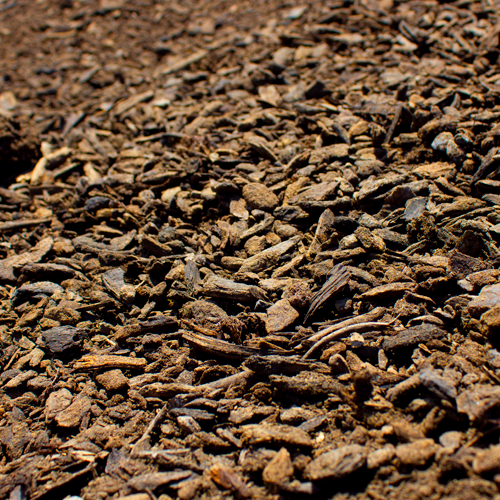
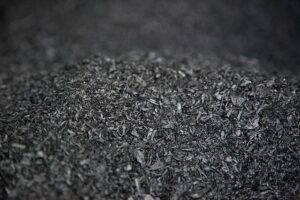
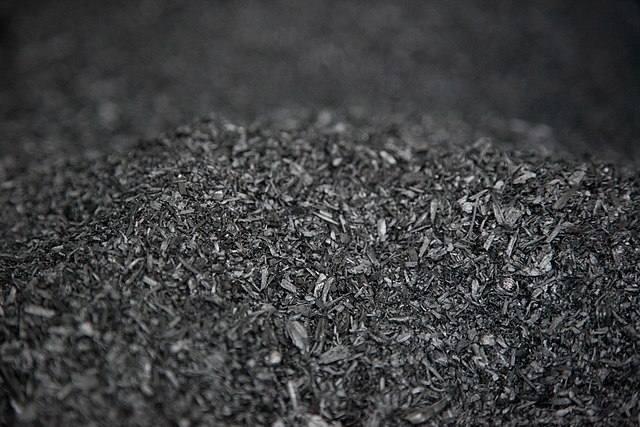
Biochar is a carbon-rich product derived from the pyrolysis of biomass, such as agricultural waste, forestry residues, and organic materials. The process involves heating organic matter in the absence of oxygen to create a stable form of carbon that can be sequestered in soil. This process not only transforms waste into a valuable resource but also contributes to carbon sequestration, thereby directly influencing climate mitigation efforts.
Biochar and Climate Action (Goal 13)
One of the most pressing challenges of our time is climate change. Biochar offers a dual solution—reducing greenhouse gas emissions and enhancing soil health. By converting biomass into biochar, carbon released during decomposition is captured and stored in the soil, significantly reducing atmospheric CO2 levels. In addition to its carbon storage capabilities, the application of biochar to agricultural soils improves soil fertility and structure, assisting the long-term resilience of ecosystems amid changing climatic patterns.
Enhancing Food Security and Sustainable Agriculture (Goal 2)
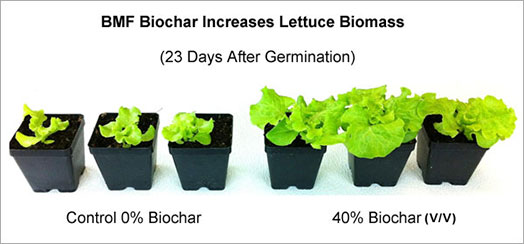
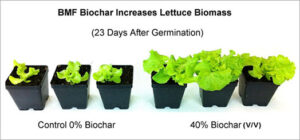
Food security is a cardinal concern under the SDGs, with millions facing hunger and malnutrition worldwide. Biochar enriches soil fertility by improving nutrient retention, enhancing water holding capacity, and fostering beneficial microbial activity. Cultivating crops in biochar-amended soils can lead to increased yields and ultimately more sustainable agricultural practices. Furthermore, its capability to retain moisture can be invaluable for farmers in arid regions, supporting both productivity and resilience against droughts.
Improving Water Quality and Availability (Goal 6)
The world is grappling with a water scarcity crisis that threatens both ecosystems and human populations. Biochar possesses unique porous structure and high surface area, allowing it to act as a sponge for nutrients and contaminants. When applied to soils, it can mitigate leaching of nitrates and phosphates into water bodies, thus improving water quality. Moreover, by enhancing soil systems, biochar indirectly contributes to more efficient water use in agriculture and helps maintain the hydrological cycle.
Promoting Sustainable Economic Growth (Goal 8)
Biochar production presents new economic opportunities within rural and urban areas. By utilizing locally available biomass and creating valuable products, communities can enhance their economic resilience. Smallholder farmers can benefit from improved soil management and increased crop yields, while creating a market for biochar as a soil amendment. Additionally, the establishment of biochar production facilities can foster job creation and stimulate local economies, promoting sustainable economic growth.
Building Resilient Infrastructure and Sustainable Communities (Goal 9)
The manufacturing of biochar can catalyze the development of sustainable infrastructure that supports a circular economy. By transforming organic waste materials into useful products, biochar production serves as an exemplar of waste-to-resource initiatives. This infrastructure development not only helps reduce waste but also reinforces community engagement in environmental stewardship. Establishing local biochar facilities encourages collaboration among stakeholders, fostering sustainable practices that serve to benefit entire communities.
Fostering Partnerships for Sustainable Development (Goal 17)
Beneath the umbrella of biochar’s potential is the importance of collaborative action across various sectors. Achieving the benefits of biochar requires partnerships among governments, academic institutions, private sector firms, and civil society organizations. Innovative research, shared knowledge, and funding identify best practices for biochar application, scaling it to maximize its benefits globally. Such partnerships can bridge the gap between scientific advancements and practical applications, driving toward holistic solutions in sustainability.
Biochar’s Role in Mitigating Urban Challenges (Goal 11)
As urbanization accelerates, cities face myriad challenges, including waste management and air quality deterioration. Biochar can contribute to urban sustainability by aiding in the management of organic waste that typically clogs landfills. It can also be used in urban gardens and green spaces, enhancing environmental quality and promoting biodiversity. By integrating biochar into urban ecosystems, cities can strive toward their sustainability objectives while improving residents’ quality of life.
Conclusion: The Multifaceted Impact of Biochar
The simplicity of biochar belies its multifarious applications and benefits in supporting the SDGs. Through its contributions to climate action, food security, water quality enhancement, economic growth, resilient infrastructures, and sustainable communities, biochar is an invaluable ally in addressing the challenges that threaten our planet. As nations and communities progress toward a sustainable future, embracing biochar as a transformative material can undoubtedly yield a myriad of environmental, economic, and social advantages for humanity. By adopting this holistic perspective, the path to achieving the SDGs becomes clearer, with biochar illuminating the way forward.