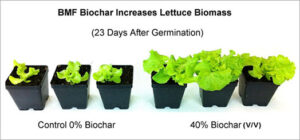
Within the rich tapestry of agricultural practices and soil management, biochar emerges as a remarkable cornerstone. Picture it as the alchemist of the soil—a transformative substance created from organic materials that not only enhances the earth but also conserves the precious resources of water. In this exploration of biochar’s myriad benefits for soil and water, we embark on a journey through its intricate ecosystem, unveiling its role in promoting fertility, mitigating climate change, and preserving invaluable water resources.
The Alchemy of Biochar
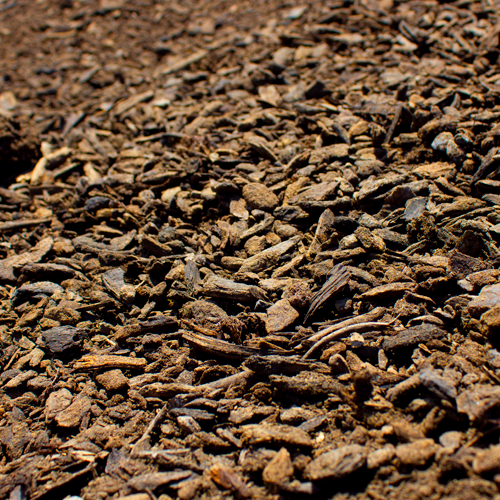
Biochar is born from the carbonization of biomass, an ancient process that infuses ordinary materials like wood, crop residues, and manure with extraordinary properties. As it undergoes pyrolysis—an oxygen-limited, high-temperature heating process—it transforms into a stable form of charcoal that resembles a phoenix rising from the ashes, imbued with the potential to rejuvenate the very ground we walk upon. This charcoal-like substance boasts a highly porous structure that can retain moisture and nutrients, positioning itself as a remarkable ally for both soil health and water conservation.
Enhancing Soil Fertility
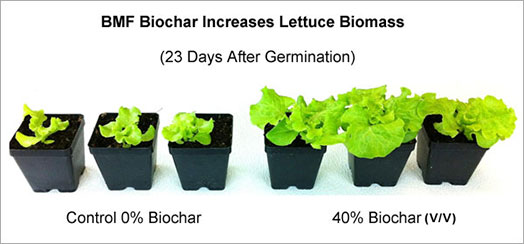
At the heart of biochar’s allure is its ability to enrich soil fertility. The porous architecture of biochar provides a sanctuary for beneficial microorganisms, those unsung heroes that work tirelessly to break down organic matter, releasing nutrients in the process. This is akin to a bustling metropolis, where the housing complexes of biochar accommodate a vibrant community of soil life—each organism playing a vital role in the symbiotic dance of plant growth.
Moreover, biochar acts as a slow-release reservoir for nutrients such as nitrogen, phosphorus, and potassium. When added to soil, it not only enhances the bioavailability of these crucial elements but also mitigates nutrient leaching—a phenomenon whereby vital nutrients seep away with water, leaving crops impoverished. The result is a dynamic ecosystem that, rather than depleting resources, nourishes them over time.
Water Retention and Conservation
In an era where water scarcity looms as an ominous specter, biochar emerges as a formidable ally in water conservation. Picture biochar as a sponge—its porous structure enables it to absorb and retain significant quantities of water, acting almost like a reservoir within the soil. By increasing the soil’s water-holding capacity, biochar ensures that plants receive a steady supply of moisture, even in arid conditions.
This water-retentive capacity not only supports plant growth but also alleviates the pressure on irrigation systems. Farmers benefit from reduced water input, which can translate into substantial cost savings in regions where water resources are dwindling. The result is a sustainable cycle, where farmer, crop, and water coexist in a delicate balance, drawing strength from one another.
Soil Structure and Erosion Prevention
The structural integrity of soil is another facet of biochar’s benefits that cannot be overlooked. Healthy soils possess a crumbly structure that fosters optimal aeration and drainage, akin to a well-constructed fortress that stands resilient against the ravages of erosion and compaction. Biochar contributes to this vital architecture by increasing soil aggregation, promoting a stable environment for roots to take hold and expand.
Furthermore, the anti-erosional properties of biochar play a critical role in combating soil degradation. By bolstering soil structure, it aids in retaining topsoil—the most fertile layer of earth—preventing it from being washed away by rain or blown away by wind. This protective layer serves as a bastion, safeguarding not only the crops but also the biodiversity within the ecosystem.
Mitigating Climate Change
Biochar’s role extends beyond the confines of soil and water management; it also serves as a powerful tool in the fight against climate change. Acting as a formidable carbon sink, biochar sequesters carbon dioxide, a notorious greenhouse gas responsible for global warming. When organic matter decomposes naturally, it releases carbon back into the atmosphere. Biochar, on the other hand, locks that carbon away for centuries—an ancient practice that mirrors nature’s resilience.
By integrating biochar into agricultural practices, farmers can foster a climate-smart approach to farming—one that not only crops bountiful yields but also contributes positively to the planet’s health. This symbiotic relationship underscores the profound interconnectedness between agricultural practices and environmental stewardship.
Empowering Agricultural Communities
As communities around the globe grapple with the realities of food security and sustainable agricultural practices, biochar has the potential to empower farmers, enhancing their resilience to climatic and economic fluctuations. By facilitating healthier soils and optimized water use, biochar offers a lifeline—strengthening food systems while aligning agricultural endeavors with the pressing need for sustainability.
Furthermore, the production of biochar opens avenues for innovation within local economies. Small-scale farmers can engage in biomass utilization, converting waste into wealth while enriching their soils. This circular economy not only uplifts livelihoods but also cultivates community health through improved food production.
Conclusion
In the grand tapestry of soil and water management, biochar weaves a thread of hope and possibility. Its multifaceted benefits extend far beyond mere soil enrichment to nestle within interconnected ecosystems—providing a reservoir for nutrients, conserving water, preventing erosion, mitigating climate change, and empowering communities. As we continue to navigate the challenges of modern agriculture and environmental preservation, let us recognize and embrace biochar as a beacon of sustainable agriculture—transforming ordinary soils into fertile grounds for extraordinary growth.