Digging Into Biochar: What Every Soil Enthusiast Should Know
Have you ever pondered why some soils flourish with verdancy while others remain barren and lifeless? What if a simple addition could transform your garden’s soil into a thriving ecosystem? Welcome to the world of biochar—a substance that holds the promise of revitalizing degraded soils and enhancing plant growth. But before embracing this trend, it’s essential for soil enthusiasts to delve deep into what biochar really is and how it can be both a boon and a challenge.
What is Biochar?
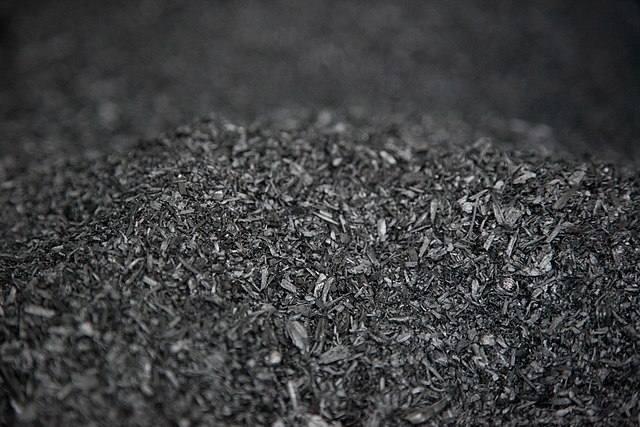
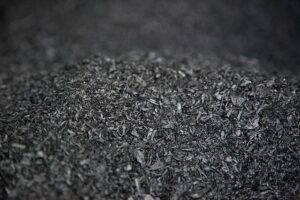
Biochar is a carbon-rich, solid material produced through the pyrolysis of organic material, such as wood or agricultural residues. This process, which involves the thermal decomposition of biomass in the absence of oxygen, not only sequesters carbon but also creates a porous structure that can host myriad microorganisms. Its inception dates back to ancient civilizations, notably the Indigenous peoples of the Amazon, who utilized charcoal-like substances in their terra preta soils to maintain soil fertility over centuries.
The Benefits of Biochar
Diving into the myriad benefits of biochar, one might ask: Why should I add this to my soil? The advantages are plentiful and noteworthy:
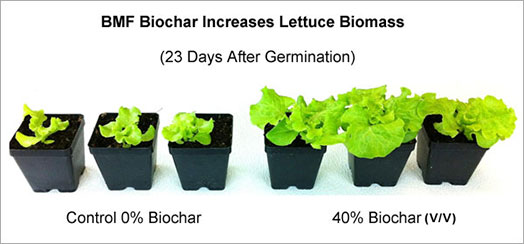
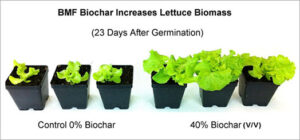
- Soil Structure Improvement: Biochar enhances soil aeration and drainage, combating compaction and facilitating root growth, while simultaneously improving moisture retention. Its porous nature means it can absorb water and retain it, providing a reservoir for plants during dry spells.
- Nutrient Retention: Biochar acts as a sponge for nutrients, preventing them from leaching away with rain. Its high cation exchange capacity (CEC) allows it to hold essential nutrients like nitrogen, phosphorus, and potassium, making them more readily available to plants.
- Microbial Habitat: By providing a unique habitat for beneficial microorganisms, biochar plays a pivotal role in maintaining soil health. A thriving microbial community can enhance nutrient cycling and improve plant health.
- Carbon Sequestration: As environmental concerns intensify, biochar offers a compelling solution to combat climate change by sequestering carbon in the soil, thereby reducing atmospheric carbon dioxide levels.
Understanding the Challenges
Yet, like any method, the incorporation of biochar is not without its challenges. Here are some potential hurdles that soil enthusiasts might face:
- Quality Variability: Not all biochar is created equal; its effectiveness can vary significantly based on feedstock type, production process, and pyrolysis conditions. Understanding the source and characteristics of biochar is imperative for effective application.
- Initial Nutrient Tie-Up: Interestingly, while biochar retains nutrients, it can also initially tie up nutrients due to its high surface area and charge characteristics. Thus, introducing biochar may require additional fertilization in the short term to prevent nutrient deficiencies.
- Application Rates: Optimal biochar application rates can differ vastly depending on soil type, plant species, and desired outcomes. Over-application can lead to negative effects, such as altered soil pH or reduced crop yields.
How to Incorporate Biochar Effectively
So, how can you navigate these potential pitfalls and incorporate biochar successfully into your gardening or farming practices? Here are several strategies:
- Choose Wisely: Select high-quality biochar that has been tested for its properties. Look for information about the feedstock, production conditions, and any laboratory analyses available.
- Pre-Conditioning: Before applying biochar, consider pre-conditioning it by mixing it with compost or a nutrient solution. This can help mitigate the initial nutrient tie-up and provide beneficial microorganisms that will boost your soil ecosystem.
- Start Small: Begin with a conservative application rate and incrementally increase it while monitoring the response of your plants and soil. This approach maximizes benefits while minimizing risks.
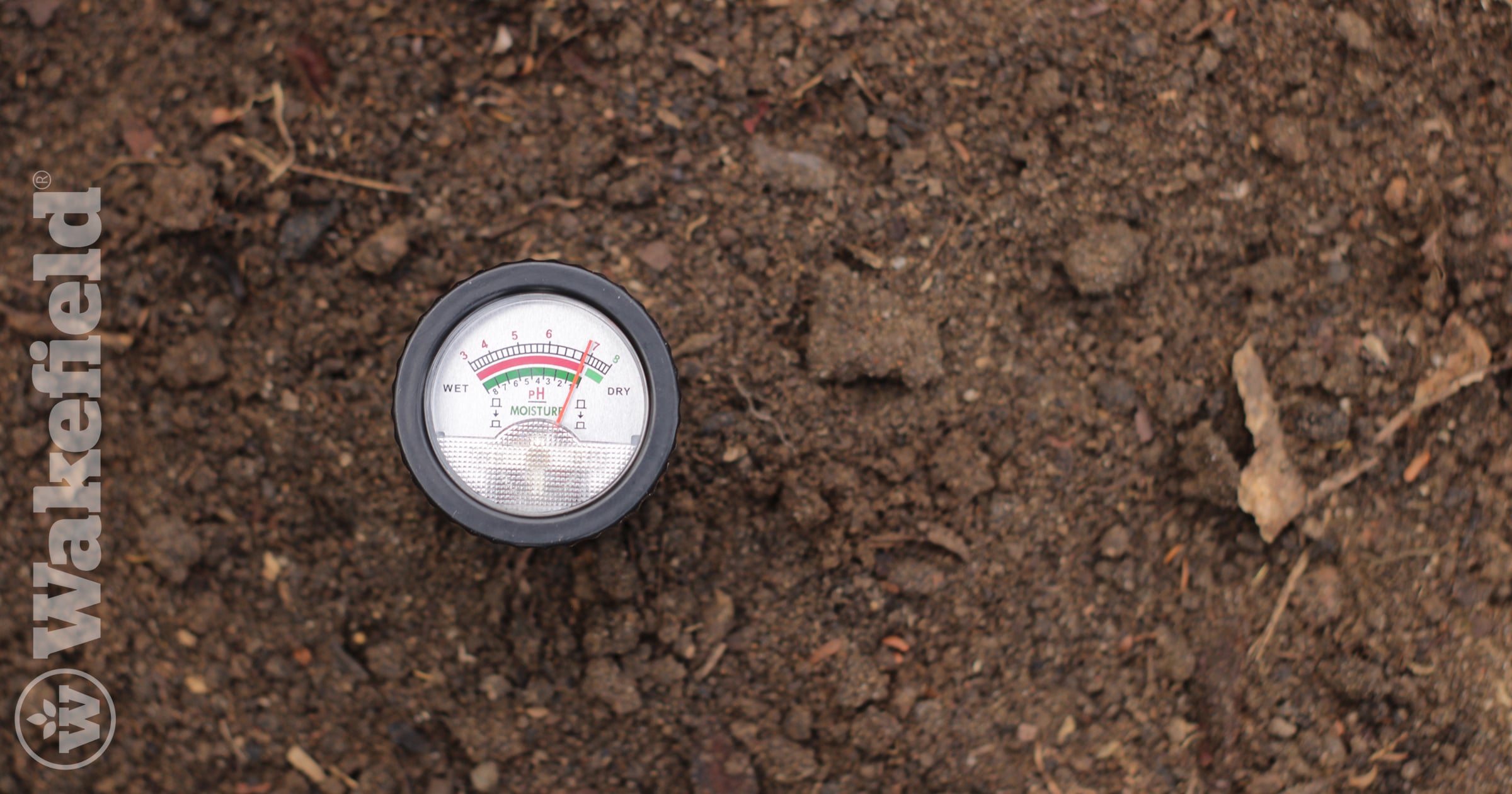
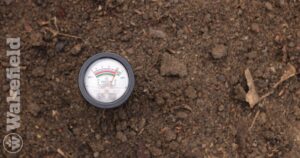
- Regular Testing: Engage in regular soil testing to monitor the impact of biochar on nutrient profiles, pH, and overall soil health. This data can guide future adjustments to your application methods.
Biochar in Different Contexts
Exploring the usage of biochar beyond the backyard garden reveals its potential across various contexts:
- Agricultural Practices: Farmers are increasingly utilizing biochar to improve soil quality, enhance yield, and mitigate the impacts of climate change. Its ability to improve soil moisture conditions, particularly in arid regions, can lead to more resilient agricultural systems.
- Urban Gardening: In urban environments where soil degradation is common, biochar can revive community gardens and green spaces, providing a restorative element to oversaturated and compacted soils.
- Land Restoration: Biochars are being researched for their potential in remediation efforts, particularly in contaminated soils, where their properties may stabilize pollutants and restore ecological balance.
Conclusion: A Journey into Soil Rehabilitation
As you venture into the world of biochar, bear in mind both its remarkable potential and the challenges it presents. Armed with knowledge and a curious spirit, you can embark on a journey toward healthier, more productive soils. In this age of environmental consciousness, biochar stands as a testament to the intricate relationship between human practices and nature’s resilience. Will you take the plunge and dig deeper into this fascinating soil amendment? Your garden, and the Earth, may thank you in ways you never imagined.