In a world increasingly committed to sustainability and circular economies, the discourse surrounding biochar is meritorious of closer examination. Among the myriad of methodologies for producing this carbon-rich substance, the original biochar kiln design has persisted through centuries, exemplifying simplicity intertwined with effectiveness. This exploration unravels the exquisite intricacies of this classic creation, presenting not only its design but the philosophical underpinnings that have contributed to its durability and relevance in today’s ecological narrative.
At its core, the classic biochar kiln embodies a brilliant amalgamation of form and function. These kilns, often crafted from clay, brick, or metal, feature a straightforward yet ingenious structure. They typically consist of two main compartments: a combustion chamber and a thermal degradation zone. The combustion chamber serves to ignite biomass, while the thermal degradation zone ensures that biomass undergoes pyrolysis—a process involving the decomposition of organic material at elevated temperatures in the absence of oxygen. This is a delicate balancing act of science, art, and engineering that has been cultivated through generations.
As one peers inside the original biochar kiln, an evolution of thought must take place; it is not merely a vessel of heat, but a catalyst for transformative environmental practices. The kiln maximizes the temperature and limits oxygen exposure, producing biochar while minimizing gases released into the atmosphere. Discarding waste and pollution, this kiln holds the promise of a cleaner path forward—its functionality resonates well beyond the smoke that wafts from its chimney.
The concept of pyrolysis marks a significant juncture in the study of biochar. Traditional methods, reliant upon open-air burning, serve to release carbon and other greenhouse gases into the atmosphere. The original design of the biochar kiln, by contrast, captures carbon and sequesters it for extended periods, presenting an intriguing solution to combat climate change. Herein lies the allure of rediscovering this classic design; it promises not only to improve soil quality but also to act as a formidable tool in carbon sequestration.
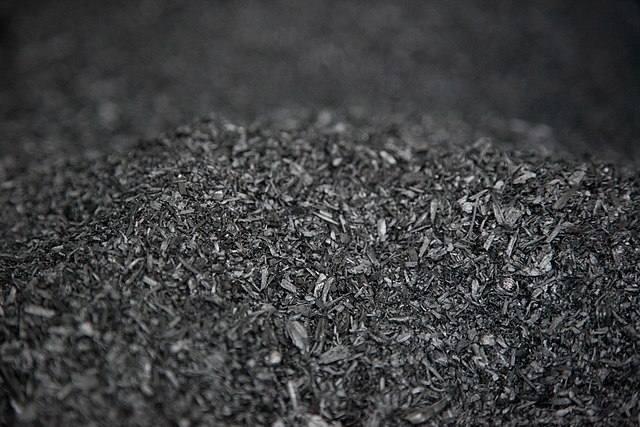
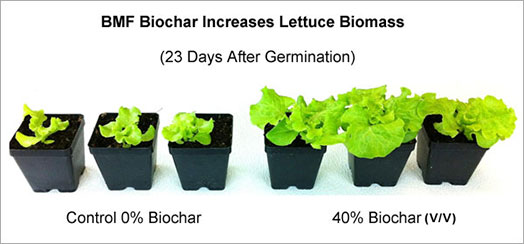
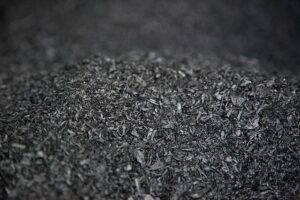
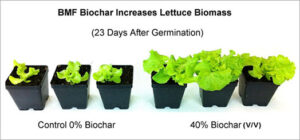
One cannot overlook the ecological benevolence encapsulated within the biochar produced by these kilns. Rich in porosity and surface area, biochar enhances soil vitality. This ancient practice manifests benefits that extend to increased water retention, nutrient availability, and microbial activity. Farmers and gardeners alike are tempted by the allure of soil rejuvenation, which promises to return nutrient-depleted lands to fertility. However, the allure does not rest solely within its agricultural implications; it beckons a deeper inquiry into the implications of land management, environmental responsibility, and community health.
Additionally, the socio-cultural ramifications associated with the use of biochar are remarkable. The craftsmanship behind these kilns reflects a deep-seated relationship with land that transcends mere agriculture—a testament to the harmony achieved between human activity and the natural world. The practice, once relegated to small agrarian communities, has recently experienced a renaissance, drawing in enthusiasts from various domains. This interest reveals a communal effort towards sustainability and conscious living, fostering a network of individuals engaged in sharing knowledge, resources, and innovative techniques.
Examining the classic design of the biochar kiln opens a window to a plethora of ingenious variations. While traditional kilns possess their own charm, innovations have spring forth in recent years, adapting the foundational design for modern applications. From Earth-friendly ceramic models to advanced retort systems that optimize efficiency and output, each iteration reveals the remarkable adaptability of the concept of biochar production. Such creative endeavors pique curiosity and kindle the imagination as they reinterpret ancient wisdom for contemporary challenges.
The process of biochar production via these traditional kilns can also unveil a sensory rich experience, one that goes beyond mere usage. The warm glow of embers, the crackling of wood as it succumbs to fire, and the aroma of smoke permeating the air are tangible reminders of the elemental connection to the Earth. Engaging one’s senses creates an opportunity for reflection, inviting the individual to ponder their role in the generational stewardship of land and the cyclical nature of growth and decay inherent in this process.
Moreover, acknowledging the global resurgence of interest in biochar is crucial. Emerging research underscores its potential in enhancing carbon capture and contributing to sustainable agricultural practices. Nations grappling with food security and climate impacts have found that incorporating biochar into their farming systems not only improves resilience but also opens avenues for economic development. The original kiln stands as a monument to this blending of ancient methodologies with contemporary dilemmas, embodying a vessel of hope for a world striving to balance human needs with ecological preservation.
As one navigates through the complexities of modern agriculture and environmental conservation, the original biochar kiln represents a humble yet powerful entry point. Its design reflects a dialogue steeped in history, culture, and ecological wisdom, each aspect inviting further inquiry. Beyond merely serving as a tool for creating biochar, it calls upon us to reconcile our relationship with nature, challenging us to consider the indelible impact our choices have on both our immediate surroundings and the planet at large.
In conclusion, the classic biochar kiln encapsulates a wealth of knowledge and opportunity, a structure that promises a shift in perspective concerning how we view waste and the efficacy of organic materials. It piques curiosity; it inspires action. Each time these kilns are ignited, they echo whispers of sustainability, creativity, and community, guiding us towards a future where the warmth of ancient practices nurtures modern aspirations. The journey into the heart of the original biochar kiln is not merely an exploration of a design—it is an odyssey towards rediscovering our place within the natural world.