When it comes to sustainable agriculture and soil enhancement, biochar has emerged as a fascinating topic. But, you might find yourself wondering: what’s the best biochar equipment for sale, and how do you choose the right one for your needs? Picture this: You’re excited to create your own biochar but are faced with the daunting challenge of selecting the ideal equipment amid a plethora of choices. Now, let’s dive into the world of biochar production and explore the essential factors to consider before making that important purchase.
Understanding Biochar and Its Benefits
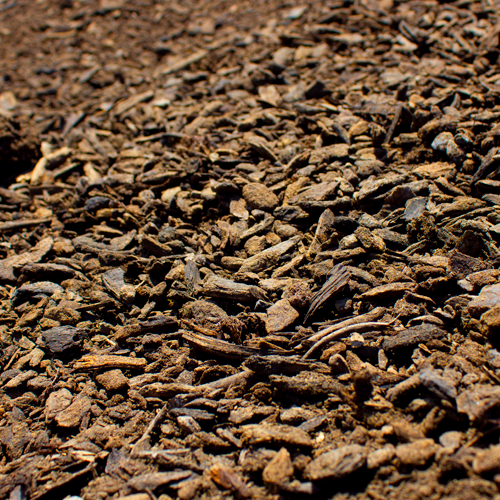
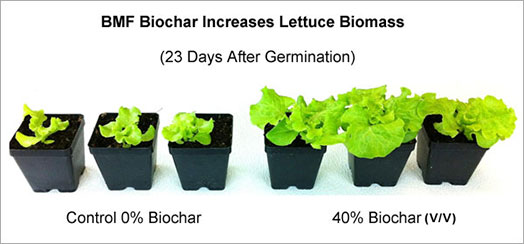
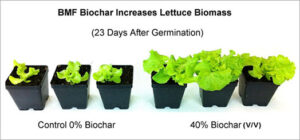
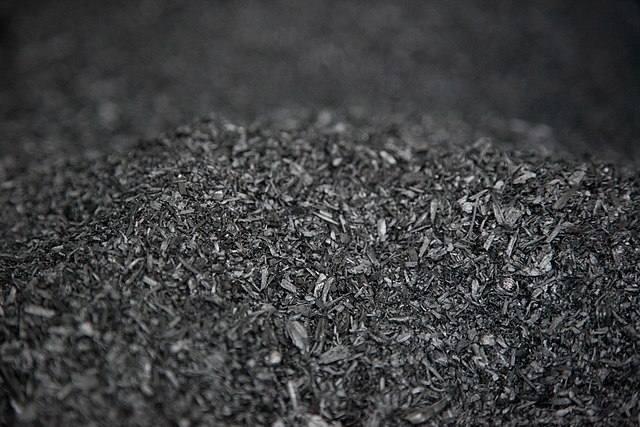
Biochar, a carbon-rich material produced through the pyrolysis of organic matter, presents a plethora of benefits for soil health, carbon sequestration, and agricultural productivity. Unlike traditional fertilizers, biochar improves soil structure and enhances moisture retention, promoting a thriving ecosystem for beneficial microorganisms. The more you learn about it, the more appealing it becomes. However, to harness the potential of biochar fully, you need the right equipment.
Types of Biochar Equipment
As you embark on your journey to producing biochar, it’s critical to understand the range of equipment available. Here’s a breakdown of the various types of biochar equipment, each serving distinct purposes:
- Small-Scale Kilns: Perfect for backyard gardeners or small farms, these kilns are often portable. They allow for on-site production of biochar, which can be a boon for those looking to enrich their soil immediately.
- Medium-Scale Pyrolysis Units: These units cater to community projects or moderate-scale agricultural operations. They typically have larger capacities and may offer additional features like continuous feed mechanisms.
- Industrial Pyrolysis Equipment: Tailored for large-scale biochar production, these machines are robust and efficient, capable of handling significant volumes of feedstock. However, they require substantial investment and operational expertise.
Criteria for Selecting Biochar Equipment
Now that you’re familiar with the types of equipment, how do you decide which one to purchase? Here are some pivotal criteria to consider:
- Capacity: Assess the volume of feedstock you intend to convert into biochar. Your needs will dictate whether a small, medium, or large-scale unit is necessary. Imagine the frustration of producing biochar in batches that are too small for your ambitious agricultural projects!
- Pyrolysis Method: Different pyrolysis methods (slow, fast, or intermediate) yield varying qualities of biochar. Determine the characteristics you desire in your biochar—such as surface area or nutrient content—and choose a unit that aligns with that methodology.
- Feedstock Variety: Consider whether the equipment is versatile enough to handle different types of biomass. Some units may only work with specific feedstocks, while others can accommodate a wider range, including agricultural residues, wood chips, and even certain types of organic waste.
Efficiency and Emissions
In today’s environmentally conscious landscape, efficiency and emissions are paramount. Some biochar equipment operates more cleanly than others. Investigate the feedstock-to-biochar conversion rate, as a more efficient machine will yield higher quantities of biochar and require less energy.
Furthermore, consider the emissions produced during the pyrolysis process. It is essential to choose equipment that meets environmental regulations and minimizes harmful outputs such as volatile organic compounds (VOCs) or particulate matter. You’ll not only feel good about your investment but also contribute positively to the ecosystem.
Usability and Maintenance
Will the equipment be simple to operate, or will it require specialized training? The user-friendliness of biochar equipment should not be overlooked. Features like clear displays, automatic controls, and safety measures can simplify the operational process, especially for beginners.
Additionally, don’t forget to consider maintenance requirements. Will parts be easily accessible for replacements? What’s the warranty like? Proper maintenance prolongs the life of your equipment and ensures energy efficiency.
Cost and Budget Considerations
As with any investment, budget is a critical factor. Biochar equipment can vary significantly in price, so setting a realistic budget early on will guide your decision-making process. However, it’s essential not to compromise quality for cost alone; cheap equipment may lead to higher long-term expenses due to inefficiencies or repair costs.
Furthermore, look into possible financial incentives, grants, or subsidies for sustainable practices in agriculture. Taking advantage of government aid can ease the financial burden, allowing you to acquire better equipment than you initially thought possible.
Supplier Reputation and Customer Reviews
Lastly, as you sift through options, consider supplier reputation. Look for established manufacturers with good track records. Customer reviews and testimonials can provide invaluable insights. Engaging with communities or forums dedicated to biochar will also yield personal experiences to inform your decision. Are there common complaints or praises for the equipment you’re considering? This research can help you make a more informed choice.
In Conclusion
Choosing the right biochar equipment is not just a purchasing decision; it’s a commitment to sustainable practices and enhancing soil health. With myriad options available, understanding your needs, evaluating your choices against specific criteria, and conducting thorough research are indispensable steps. As you navigate through this exciting endeavor, remember: the right biochar production equipment can transform your agricultural landscape into a thriving, sustainable oasis. So, as you prepare to make your selection, ask yourself—what legacy do you wish to cultivate with your biochar journey? Your adventure in creating biochar awaits!