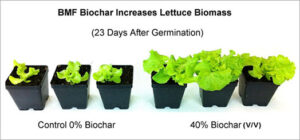
In the ever-evolving realm of sustainable agriculture, biochar has garnered significant attention for its potential to enhance soil health and boost crop productivity. As growers increasingly turn to biochar for its myriad benefits, understanding the logistics and delivery processes of biochar products becomes imperative. This article delves into the intricate aspects of Rogue Biochar logistics and delivery, elucidating what growers need to consider when integrating biochar into their agricultural practices.
1. Understanding Biochar: A Brief Overview
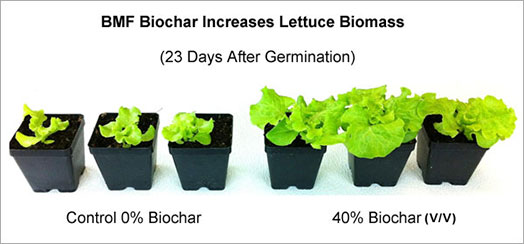
Biochar is a carbon-rich byproduct generated from the pyrolysis of organic materials. This process transforms biomass into a stable form of carbon that can be sequestered in the soil, promoting a host of agronomic advantages. Among these benefits are improved soil fertility, enhanced water retention, and the mitigation of greenhouse gas emissions. As growers engage with biochar, it is crucial to grasp its implications for soil management and plant health.
2. Rogue Biochar: A Trusted Source
Rogue Biochar is at the forefront of providing high-quality biochar products tailored for various agricultural applications. Sourcing biochar from a reputable supplier ensures that growers receive a product rich in beneficial properties, free from contaminants that could undermine its efficacy. Rogue Biochar emphasizes sustainability throughout its production process, from the selection of raw materials to the final product delivery.
3. The Logistics of Biochar Delivery
The logistics surrounding biochar delivery encompass a multitude of dimensions, including the sourcing, processing, transport, and final distribution of biochar products. Growers should be aware of several critical factors in these logistics:
- Sourcing Locations: Rogue Biochar operates dynamically, sourcing biomass from local and regional suppliers. Proximity to biomass generators reduces the carbon footprint associated with transportation while supporting local economies.
- Processing Facilities: The biochar production facilities are strategically located to optimize efficiency and quality control. Understanding the production capacity and turnaround times of these facilities is essential for growers, especially during peak planting seasons.
- Transport Logistics: Timely delivery is paramount. Rogue Biochar employs a range of transport methods, from bulk shipping to smaller local deliveries, ensuring that growers receive their product when needed. Communication regarding delivery schedules is crucial to planning the incorporation of biochar into current operations.
4. Different Types of Biochar Products
Growers have access to a diverse array of biochar products, each formulated for specific agricultural needs. Understanding these options can significantly influence the decision-making process:
- Agricultural Biochar: Typically produced from crop residues and forestry byproducts, agricultural biochar is designed to enhance soil nutrient availability and improve microbial activity.
- Horticultural Biochar: Tailored for greenhouse and ornamental plant cultivation, this biochar variant enriches potting mixes, promoting robust root development and moisture retention.
- Specialty Biochar: Rogue Biochar also offers specialty products tailored for specific crops or soil types, ensuring maximum efficiency in applying biochar to meet unique grower needs.
5. Quality Control Measures
Ensuring that the biochar delivered meets high standards of quality is essential for its effectiveness and safety. Rogue Biochar employs stringent quality control measures, including:
- Material Testing: Comprehensive testing of raw materials helps ascertain that they are free from pollutants and are appropriate for biochar production.
- Final Product Analysis: Each batch of biochar undergoes rigorous testing for pH, nutrient content, and carbon stability to ensure it meets the defined standards before delivery.
6. Best Practices for Application
Upon receiving biochar, growers must consider best practices for its application to maximize efficacy. Here are vital points to ponder:
- Incorporation Techniques: Biochar can be incorporated directly into the soil or mixed with compost for enhanced benefits. The method of application can impact how quickly plants can access the biochar’s nutrients.
- Application Rates: Understanding the appropriate application rates based on soil type and crop requirements is instrumental. Growers should collaborate with agronomists to tailor their biochar applications for their specific agricultural context.
- Timing of Application: The timing of biochar application also plays a significant role. Incorporating biochar during soil preparation can optimize its benefits prior to planting.
7. Sustainability Considerations
Sustainability is a foundational principle behind the use of biochar. Not only does it provide a means of carbon sequestration, but it also repurposes waste materials creatively and prevents soil degradation. As growers become more environmentally conscious, integrating biochar into their practices enhances both productivity and ecological stewardship.
8. Cost-Benefit Analysis
While the initial investment in biochar can be perceived as significant, a thorough cost-benefit analysis often reveals the long-term gains. Increased crop yields, improved soil quality, and reduced fertilizer needs can ultimately outweigh the upfront costs. Exploring financial assistance or programs that promote sustainable agriculture can further ease this investment.
9. Customer Support and Resources
Rogue Biochar is committed to supporting growers every step of the way. Whether through providing educational resources, product guides, or direct customer support, the company ensures that growers feel confident in their biochar investments. Access to expert advice can help yield optimal results when integrating biochar into farming practices.
In conclusion, understanding the logistics and delivery of biochar from trusted sources like Rogue Biochar is crucial for growers seeking innovative solutions to enhance soil health and agricultural productivity. By considering the sourcing, processing, and application methods, coupled with quality control measures and sustainability practices, growers can effectively harness the full potential of biochar. Through thoughtful integration and informed practices, biochar stands as a beacon of sustainable agriculture, promising enriched soils and flourishing crops.