The Amazon rainforest, with its lush landscapes and vibrant ecosystems, has long been revered as a treasure trove of biodiversity. However, beneath its verdant canopy lies an extraordinary phenomenon that has intrigued scientists and environmentalists alike: the enigmatic Amazonian Dark Earths (ADE), also known as Terra Preta. What makes these nutrient-rich patches of soil so captivating is not just their fertility, but the wealth of knowledge they hold about ancient agricultural practices and sustainable land use, a legacy that we are still learning to appreciate and replicate today.
What secrets lie buried within the depths of these fertile soils? As we uncover the answers, we are faced with a challenge: can modern agricultural practices harness the wisdom of the past to create a more sustainable future? In the following exploration, we will delve into the complex legacy of these anthropogenic soils, the ancient tribes that cultivated them, and what contemporary society can glean from this agricultural marvel.
The Origins of Amazonian Dark Earths
Terra Preta is not a product of natural processes, but rather a byproduct of human ingenuity. Thousands of years ago, Indigenous peoples of the Amazon rainforest began to enrich the soil through a deliberate combination of organic materials, such as charcoal, bone, and kitchen waste. This rich concoction created a soil that is significantly more fertile than the surrounding areas, offering an inviting contrast to the nutrient-poor, clay-rich soils typically found in the Amazon basin.
While the precise origins remain somewhat elusive, what is clear is that the creation of ADE reflects a sophisticated understanding of soil chemistry. The incorporation of charcoal, a practice known as pyrolysis, not only improves nutrient retention but also enhances the soil’s ability to sequester carbon, presenting intriguing prospects for climate change mitigation.
The Abundant Benefits of Terra Preta
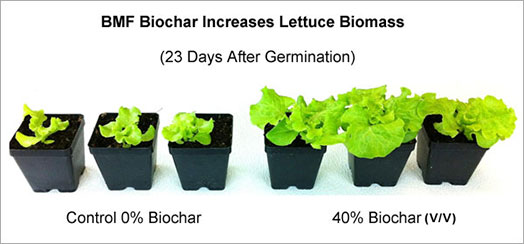
One cannot help but marvel at the advantages offered by Amazonian Dark Earths. The primary benefit, of course, is fertility. Crops grown in Terra Preta yield remarkably higher outputs compared to those cultivated in conventional soils. As a result, ancient farmers were able to sustain larger populations and develop complex societies, demonstrating that agricultural advancement and social development can go hand in hand.
Moreover, ADEs are characterized by their resilience. While conventional agricultural practices often degrade the soil over time, the combination of charcoal and organic materials in Terra Preta promotes a self-sustaining ecosystem. This means that the soil can maintain its fertility for centuries, allowing for continuous cultivation without the need for synthetic fertilizers.
Lessons from the Ancients: Indigenous Practices
The practices of the Indigenous peoples in the Amazon offer valuable lessons for contemporary agricultural practices. Their understanding of the local ecosystem extended well beyond mere cultivation techniques. They recognized the importance of biodiversity in maintaining soil health and the vital role that various species play within an ecosystem.
Moreover, the sustainable harvesting of resources exhibited by these communities challenges the modern notion of exploitation. Rather than depleting the land, they practiced rotation and fallow periods, allowing the earth to regenerate. Could these ancient methodologies hold the key to addressing some of today’s most pressing agricultural dilemmas, particularly in the face of climate change and soil degradation?
The Role of Biochar in Modern Agriculture
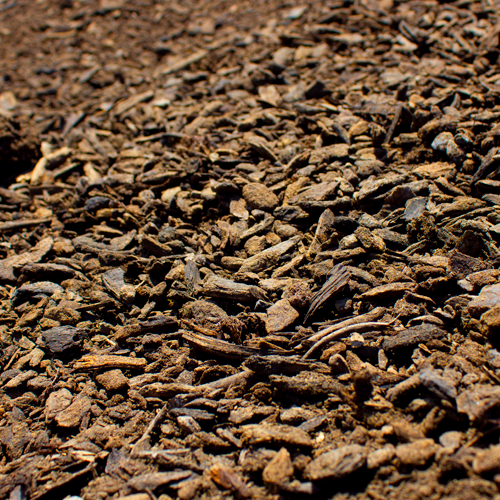
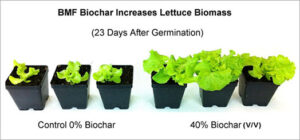
The study of Amazonian Dark Earths has ushered in renewed interest in biochar, the carbon-rich material produced from organic matter through pyrolysis. As agricultural scientists and environmentalists delve deeper into the potential applications of biochar, they find that its benefits extend beyond soil enhancement.
In addition to improving soil aeration and water retention, biochar has been lauded for its ability to absorb pollutants and improve overall soil microbiome health. The versatility of biochar suggests it could become a cornerstone in upcoming agricultural reforms aimed at sustainability. Are we ready to embrace biochar as a contemporary solution inspired by the ingenuity of our ancestors?
Modern Challenges and Future Implications
Despite the rich legacy of nutrient-rich Amazonian soils, we face a myriad of challenges in implementing these ancient practices on a broader scale. Global population growth demands increased food production, often at the expense of the environment. The omnipresent predicament lies in reconciling the need for food security with the imperative to protect our ecosystems.
Moreover, the commercialization of biochar and related practices raises questions about equity and accessibility. Can smallholder farmers afford the technology to produce and apply biochar, or will such solutions be reserved for the affluent? Addressing these inequities is crucial if we wish to build a more sustainable and inclusive agricultural system.
Conclusion: A Path Forward
The nutrient-rich legacy of Amazonian Dark Earths is multifaceted, intertwining history, ecology, and agriculture in a tapestry of knowledge that is still relevant today. As we seek to remember and apply these age-old strategies, we must remain conscious of the lessons learned from the Indigenous peoples who first cultivated these soils. The call to action is undeniable: we must adopt practices that honor the past while forging a path toward a sustainable future.
Ultimately, the question remains: can we learn from the ingenuity of our ancestors to cultivate not just our crops, but also a thriving, healthy planet for generations to come? The answer lies in our willingness to look back while moving forward, allowing the wisdom of Terra Preta to guide our agricultural practices into a new era of sustainability.