In a world increasingly tuned into sustainability and ecological restoration, there is an ancient practice making a noteworthy resurgence—biochar. This charcoal-like substance, imbued with centuries of agricultural wisdom, offers a myriad of benefits that extend beyond soil enhancement. As we delve into the fascinating history and modern applications of biochar, one may ask: What long-lost secrets might this ancient tradition unveil, and could this be the sustainable solution that modern agriculture has been seeking?
### The Roots of Biochar: An Ancient Wonder
To truly appreciate biochar’s potential today, we must first explore its origins. Historically, the Amazon basin provides us with one of the most compelling narratives surrounding this material. The indigenous people of the region discovered a method of creating “terra preta,” or “black earth,” which drastically improved soil fertility. This rich, dark soil was created by mixing organic waste materials with charcoal, leading to enhanced nutrient retention, water retention, and biological activity. The ingenuity of these ancient agrarians reveals an understanding of soil science that intrigues contemporary researchers.
Why did this remarkable knowledge fade? One potential explanation lies in the rapid technological advancements and the rise of synthetic fertilizers and pesticides. As agriculture evolved, these chemical solutions became the go-to for enhancing crop yield. However, in our quest for short-term gains, we may have overlooked the sustainable, time-tested practices of our ancestors.
### Rediscovering Biochar: The Modern Context
The modern environmental crisis has presented a unique challenge: how to cultivate food without further degrading the planet. The re-emergence of biochar serves as an intriguing answer to this question. This modern renaissance is sparked by a growing awareness of soil health and a desire for sustainable farming practices. Farmers and scientists are now revisiting ancient methods, emphasizing biochar’s potential as a regenerative agricultural tool.
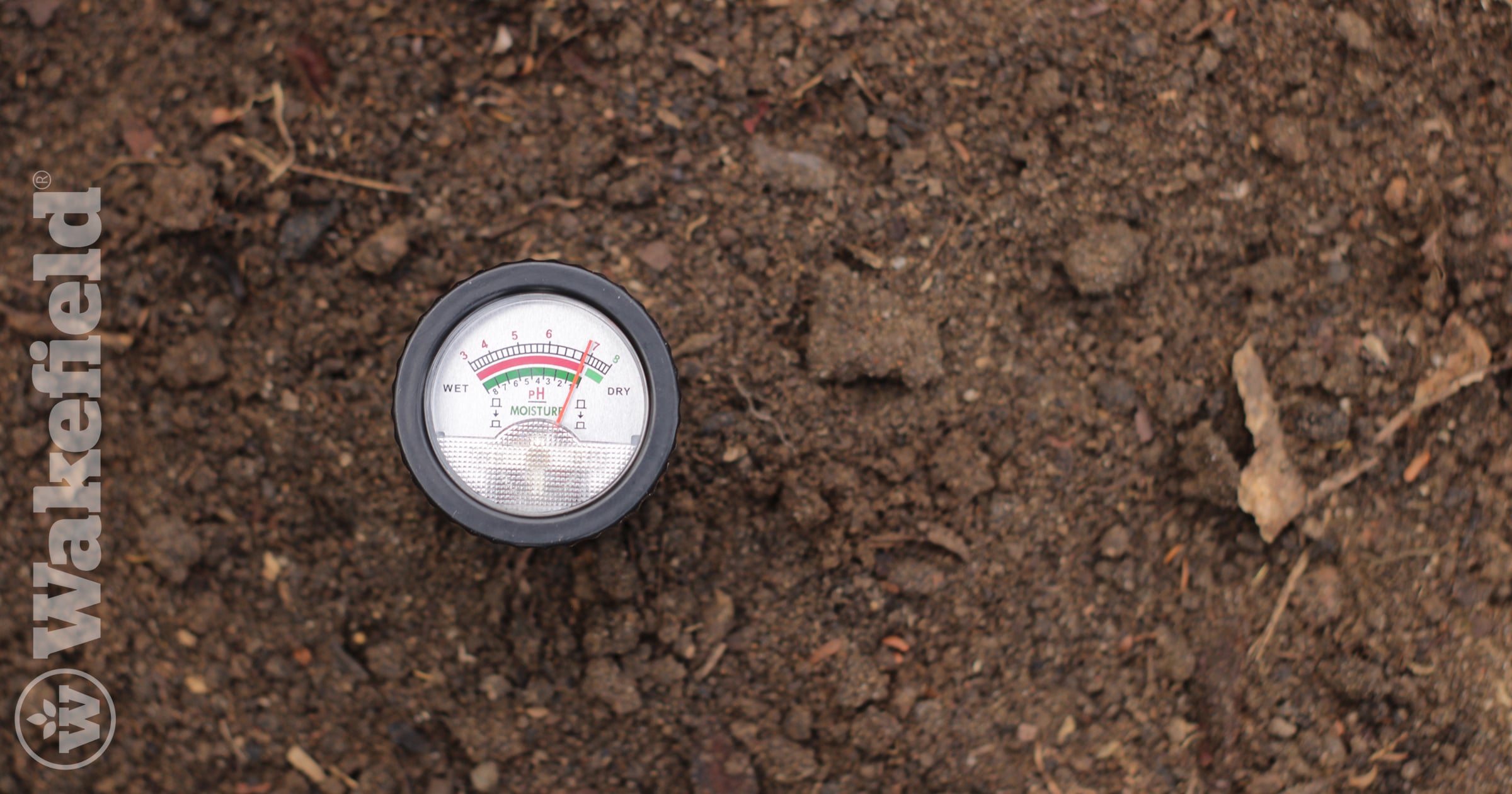
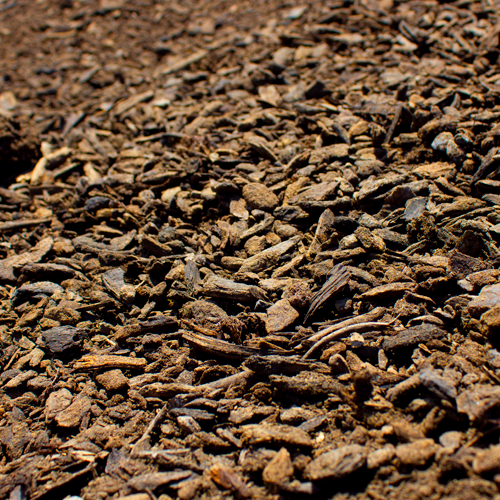
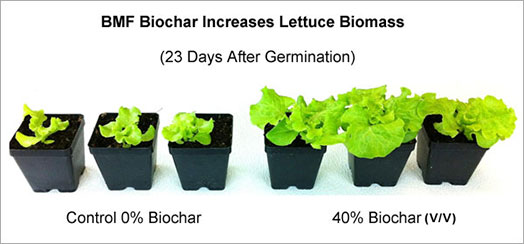
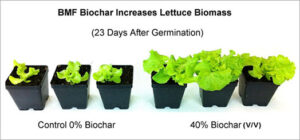
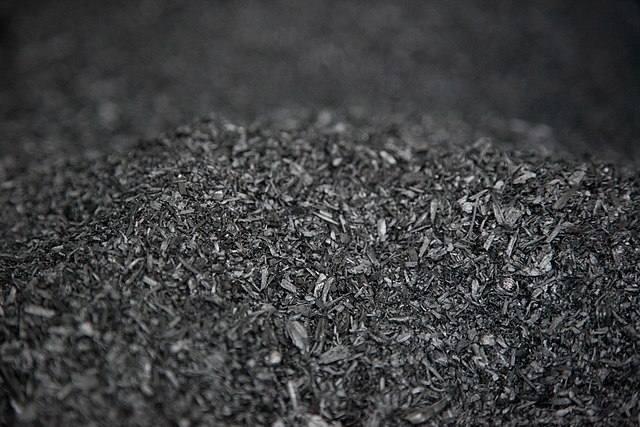
Biochar’s dominant traits lie in its porous structure, which acts like a sponge for water and nutrients. When added to soil, biochar improves its physical and chemical properties—boosting microbial activity, enhancing soil aeration, and increasing organic matter content. These benefits work symbiotically to foster healthier plants and greater resilience in the face of climate variability.
### The Science Behind the Magic
At the heart of biochar’s allure is its unique chemistry. Carbon, a main component, becomes sequestered within the biochar structure, providing a long-term carbon storage solution that may help mitigate greenhouse gas emissions. The process of pyrolysis, wherein organic matter is thermally decomposed in the absence of oxygen, is critical. This not only produces biochar but also renewable energy. This dual benefit highlights biochar’s role in cultivating both an ecological balance and a carbon-conscious economy.
Furthermore, studies have shown that incorporating biochar into agricultural soils may reduce the need for chemical fertilizers. Its capacity to retain nutrients and water means that crops can thrive even in marginal conditions, thus potentially reducing reliance on synthetic inputs. The implications? A paradigm shift back toward sustainable agronomy, where balance with nature reigns supreme.
### Practical Applications of Biochar Today
Across the globe, innovators are harnessing biochar’s potential in various ways. From large-scale agricultural systems to backyard gardening, the applications are diverse. Organic farmers are integrating biochar into compost to enhance nutrient profiles. In urban settings, biochar is being utilized for stormwater management, improving soil permeability while capturing pollutants.
Moreover, biochar has found its niche in animal husbandry. When mixed into livestock feed, it can enhance gut health and nutrient absorption, promoting healthier livestock and reducing methane emissions—a promising avenue in the fight against climate change.
Despite the enthusiasm surrounding these applications, challenges remain. The production of biochar must be tailored to specific feedstocks and local conditions. Different materials can lead to varied biochar properties, which may not universally benefit all soil types or climates. How do we ensure the right biochar uses are matched with the right agricultural needs? This elusive compatibility challenges researchers and practitioners alike to forge pathways for greater biochar implementation.
### A Community-Centric Approach
As biochar’s momentum builds, community involvement is essential. Farmers, scientists, and local stakeholders must collaborate to develop tailored strategies that elucidate the distinct benefits of biochar for specific regions. Education plays a pivotal role here; farmers need to understand how to produce biochar and integrate it into their soil management practices effectively. Workshops, demonstrations, and pilot projects can help to bridge knowledge gaps.
In addition, the formation of cooperative networks may assist small landholders in accessing biochar and the resources necessary for its production. By fostering a sense of community around this ancient soil amendment, we can harness collective intelligence to solve contemporary agricultural challenges.
### Looking to the Future
The question remains: Can biochar truly be the soil secret we’ve long sought? With increasing interest and mounting evidence in its favor, the answer is trending toward a resounding yes. As the agricultural community rekindles its relationship with this ancient practice, the potential for transformative impact grows exponentially.
In conclusion, the story of biochar is not merely about a substance; it encapsulates a broader journey of rediscovery and innovation. While ancient wisdom serves as the foundation, the modern world presents new challenges and opportunities to explore biochar’s full potential. As we continue to unearth these age-old techniques, we may find the keys to cultivating a more sustainable future, one enriched parcel of soil at a time.