In our age of escalating environmental crises, the interplay between agriculture and climate change has never been more pronounced. Amidst the turmoil of rising temperatures, erratic weather patterns, and soil degradation, an extraordinary solution from the depths of history offers hope—biochar. This ancient method of soil enhancement, used by civilizations for thousands of years, reemerges not just as a relic of the past, but as a transformative tool for our contemporary challenges.
The Origins of Biochar: A Historical Perspective
Biochar, a form of charcoal produced from organic material through pyrolysis, was notably utilized by the indigenous peoples of the Amazon basin. They created the famed Terra Preta, or ‘black earth,’ which is characterized by its rich nutrients and unparalleled fertility. This concept of enriching soil with charred biomass is a remarkable testament to human ingenuity and ecological understanding that has largely been forgotten in modern farming practices.
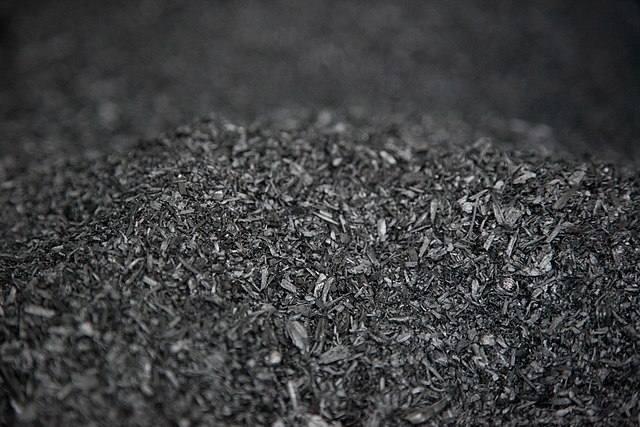
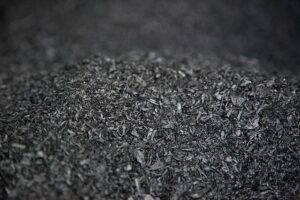
The production of biochar involves the thermochemical decomposition of biomass—ranging from agricultural waste to forest residues—at high temperatures in the absence of oxygen. The result is a stable carbon-rich product capable of improving soil health over extended periods. As carbon sequestration takes center stage in climate discussions, this ancient technique beckons us to reconsider its application within the framework of modern agriculture.
Carbon Sequestration: A Dual Benefit
One of the most alluring aspects of biochar lies in its ability to sequester carbon. When applied to soil, biochar not only enhances nutrient retention and water holding capacity, but it also stores carbon for hundreds to thousands of years. In an era where carbon emissions are at an all-time high, this property represents a promising avenue for reducing atmospheric CO2 levels.
The process of carbon sequestration via biochar serves as a natural countermeasure against the greenhouse effect. By diverting organic material from decomposition—where it would typically emit carbon dioxide and other greenhouse gases—biochar installation into soils offers a much-needed respite for our ailing planet. This transformation lends credence to the potential of regenerative agriculture practices that seek to mitigate climate impacts while enhancing productivity.
Enhancing Soil Fertility: A Renaissance in Agriculture
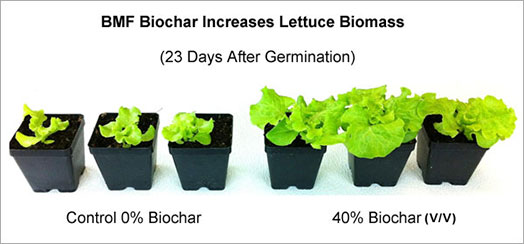
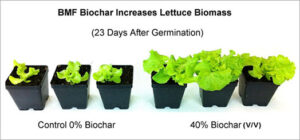
Biochar is not just a storage vessel for carbon; its biochemical interactions within the soil ecosystem can catalyze fertility improvements. It holds a unique ability to enhance microbial activity and increase the availability of nutrients such as nitrogen, phosphorus, and potassium. Consequently, biochar-treated soils exhibit higher productivity, leading to improved crop yields and more resilient farming systems.
Moreover, the porous structure of biochar provides a hospitable environment for beneficial microbes. These microorganisms play a pivotal role in nutrient cycling and plant growth, establishing a symbiotic relationship that underscores the interconnectedness of soil health and robust agricultural output. The reinvigoration of soil ecosystems through biochar application can be a game changer for food security in a world grappling with population growth and dwindling arable land.
Water Management: An Unlikely Ally
As water scarcity becomes an increasingly pressing concern, biochar’s capacity to enhance soil moisture retention is a welcomed discovery. Its porous matrix allows for improved water holding capacity, reducing the need for frequent irrigation in agricultural settings. This characteristic not only conserves water but also mitigates the impact of drought conditions—effects that are becoming more ubiquitous with climate change.
Furthermore, biochar can aid in reducing runoff and erosion, facilitating a more sustainable water cycle. By maintaining soil structure and stability, it ensures that vital water resources are retained within the ecosystem, ultimately promoting resilience against climate-related challenges. This ability to manage water efficiently reshapes our strategies for agricultural adaptation in a rapidly changing environment.
A Circular Economy: Closing the Loop
The concept of a circular economy is intrinsically woven into the fabric of biochar production. By reusing agricultural waste and transforming it into a valuable soil amendment, biochar embodies principles of sustainability and resourcefulness. This methodology not only reduces the volume of waste destined for landfills but also creates a valuable product that regenerates the soil.
Transitioning to biochar production can concurrently contribute to waste management solutions while generating economic opportunities within communities. The valorization of organic waste aligns with the goals of sustainability and offers a remarkable opportunity for agricultural communities worldwide, fostering not only environmental health but also economic resilience.
Challenges and Considerations: Navigating the Path Ahead
Moreover, as with any agricultural innovation, education and outreach are crucial. Farmers must comprehend not only the benefits but also the methods of biochar application to fully realize its potential. This knowledge transfer invites collaboration between agronomists, researchers, and local communities to establish effective practices that resonate with the intricacies of diverse landscapes.
Conclusion: A New Dawn for Agriculture and the Environment
As the specter of climate change looms ever larger on the horizon, the rediscovery of ancient biochar wisdom may provide a pathway to a more sustainable agricultural future. By embracing this age-old practice, we stand at the precipice of revolutionizing soil health, enhancing carbon sequestration, and transforming agricultural resilience. Rediscovering biochar invites us to rethink our agricultural paradigms while reinforcing the symbiotic relationship between humanity and nature. In doing so, we nurture not only our soils but also the planet for generations to come.