In the realm of agriculture and environmental conservation, few concepts resonate as profoundly as biochar—a transformative substance that embodies the potential to rejuvenate soil and restore ecological balance. Like a phoenix rising from the ashes, biochar emerges as a powerful tool forged from the remnants of organic materials, infusing them with newfound life. This exploration delves into the myriad benefits of biochar, its production processes, and the underlying chemistry that makes it an invaluable ally in the quest for sustainable farming and environmental stewardship.
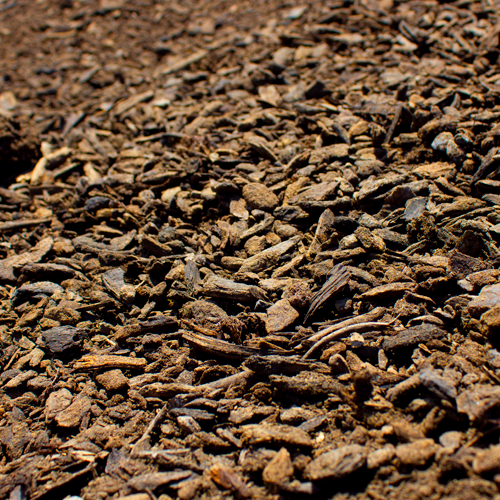
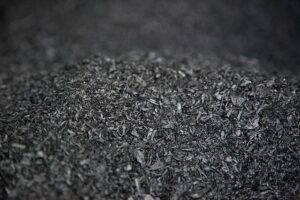
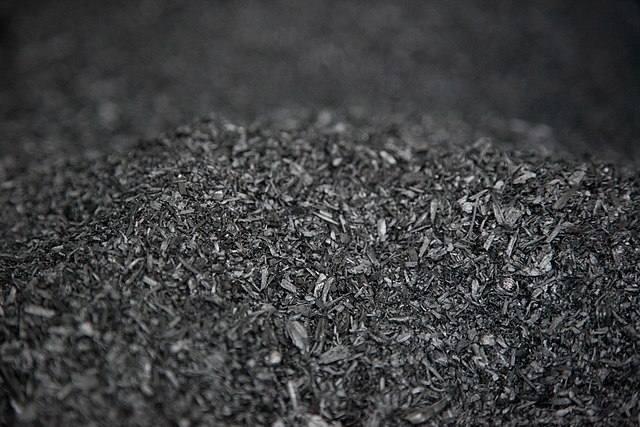
To comprehend the allure of biochar, it is essential to understand its genesis. Created through a process called pyrolysis, biochar is the result of heating organic matter—such as wood, agricultural residues, or even manure—in an oxygen-limited environment. This alchemical transformation not only severs the ties of carbon from the original biomass but also converts it into a stable form that can sequester carbon for centuries. Picture, if you will, a vigorous tree whose life force persists long after its limbs have succumbed to time, nourishing the soil in an unending embrace.
The unique structure of biochar is akin to a sponge, replete with minute pores and a high surface area. This architecture empowers biochar to retain water and nutrients, fostering an environment where plant roots can flourish. It acts as a reservoir of sustenance, helping to alleviate the stresses caused by drought conditions, while simultaneously enhancing the retention of essential minerals found in the soil. For farmers battling the vicissitudes of climate change, biochar emerges as a stalwart ally— a veritable life preserver in an unpredictable sea of environmental change.
Beyond its hydrophilic properties, biochar plays a crucial role in fostering a veritable metropolis of microorganisms within the soil. By providing a safe haven for beneficial microbes, biochar creates a symbiotic relationship between the soil and its inhabitants. These microbes, in turn, assist in breaking down organic matter and mobilizing nutrients, thus enhancing soil fertility. The soil, once lifeless and barren, begins to teem with biodiversity, echoing the vibrancy of a thriving ecosystem. It’s a renaissance of sorts, an intricate dance of life and death, metamorphosing the earth into a fertile garden.
Moreover, biochar’s potential extends beyond mere enhancement of soil quality; it acts as an effective carbon sink. In an age where carbon emissions plague our planet, biochar offers a sustainable solution by sequestering atmospheric carbon that would otherwise contribute to climate change. This dual purpose of biochar — improving soil and addressing greenhouse gas emissions — positions it as a formidable player in global efforts to combat climate change. It is as though biochar is an environmental sentinel, standing guard against the relentless march of ecological degradation.
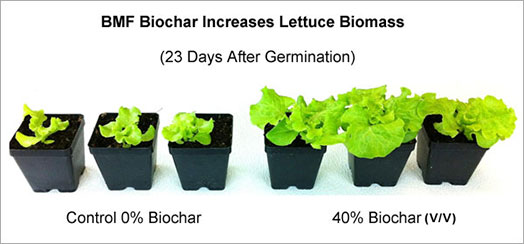
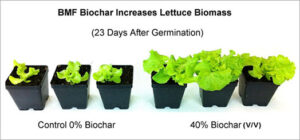
When considering the economic implications, the use of biochar equates to a wise investment for farmers. The enhancement of soil health leads to increased crop yields and resilience, while reducing the reliance on chemical fertilizers—often fraught with adverse side effects. Farmers who embrace biochar may find themselves not only safeguarding their crops but also enriching their pocketbooks. In essence, biochar serves as both a shield and a sword, equipping farmers with the tools necessary to thrive in an ever-evolving agricultural landscape.
While the benefits of biochar are manifold, its versatility is perhaps its most striking attribute. Biochar can be tailored to meet the needs of different soil types and crops. By adjusting the feedstock and pyrolysis conditions, one can create specific characteristics in the biochar—whether it be a high pH, a capability for nutrient absorption, or even properties that attract specific soil organisms. This customization engenders a profound sense of adaptability, akin to an artist mixing colors on a palette, each hue representing a unique possibility for growth and transformation.
Moreover, the production of biochar promotes a circular economy— transforming waste into resource. Agricultural residues, once considered burdensome byproducts, are revitalized and repurposed into a valuable commodity. This alchemical process fosters resilience in agricultural systems while minimizing waste. Similarly, urban environments can partake in this renaissance by converting green waste into biochar, thus marrying urban management with sustainable practices. Biochar, in this sense, is an emissary of hope, uniting disparate strands of the agricultural and urban tapestry.
As we contemplate the future, the potential of biochar as a tool for soil and environmental improvement becomes even more significant. It is a clarion call to adopt innovative practices that marry tradition with modern sustainability. Governments, researchers, and farmers alike have begun to rally around biochar, recognizing its promise in addressing the dual crises of food security and climate change. Through education and collaboration, the journey toward a more sustainable future can take root in the fertile ground enriched by biochar.
Yet, while the road ahead is paved with promise, it is imperative to approach biochar with a discerning eye. The variability in production methods and feedstocks can yield variable results, emphasizing the need for ongoing research and field trials. Just as an artist must practice and refine their craft, so too must practitioners of biochar cultivation fine-tune their approaches to maximize efficacy.
In conclusion, the narrative of biochar twists and turns through themes of renewal, resilience, and ecological balance. It stands as a beacon of hope for a sustainable future, born from the heart of the earth and imbued with the lessons of nature itself. Biochar is not merely a material; it is a transformative force, capable of rewriting the story of agriculture and environmental stewardship in ways that elevate our interconnectedness with the planet. As we embark on this journey of exploration and innovation, the possibilities that biochar offers beckon us towards a greener horizon.