In a world increasingly beset by environmental challenges, the quest for sustainable agricultural practices has gained paramount importance. Among the innovative approaches that have emerged to tackle these challenges, the process of transforming organic waste into biochar stands out as a promising solution. Waste-to-biochar technology offers a multifaceted approach to sustainability, with benefits that extend beyond mere waste management to encompass soil enhancement, carbon sequestration, and even energy production. This article delves into the intricate facets of waste-to-biochar, elucidating its immense potential as the circular solution agriculture has been yearning for.
Understanding Biochar
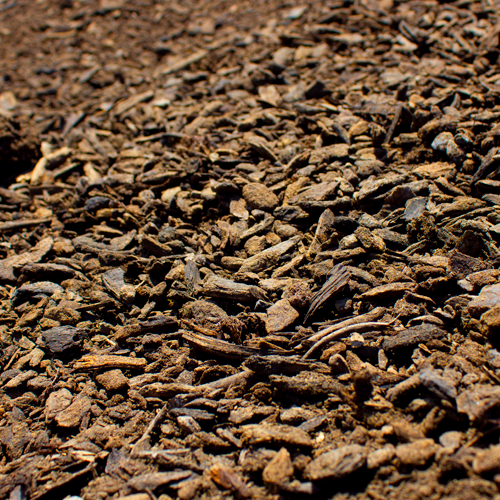
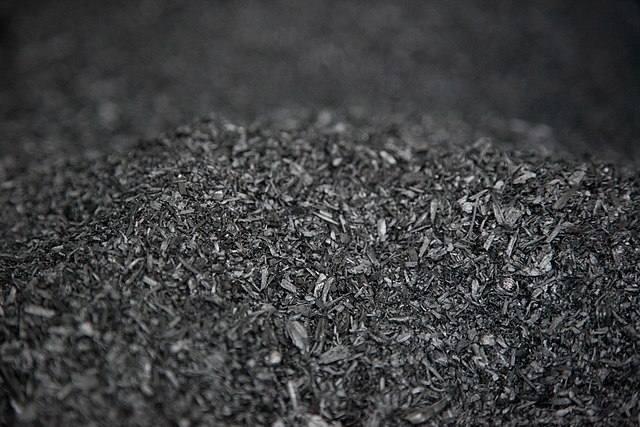
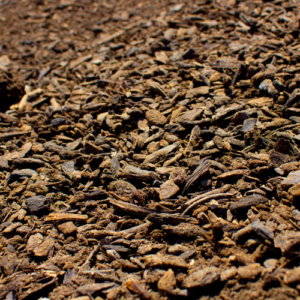
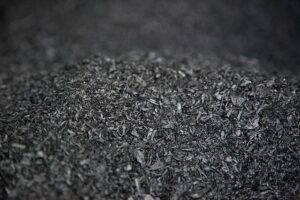
Biochar is a carbon-rich material created through the pyrolysis of organic materials such as agricultural residues, forestry waste, and even municipal waste. The process of pyrolysis involves heating the biomass in a low-oxygen environment, resulting in the production of biochar, along with bio-oil and syngas. What differentiates biochar from other organic fertilizers is its unique structure; it possesses a porous, stable composition that facilitates the retention of nutrients and moisture in the soil, thereby significantly enhancing plant growth.
The Pyrolysis Process: Turning Waste into Resource
The pyrolysis process is a critical determinant in the efficacy of biochar as a soil amendment. By controlling variables such as temperature, feedstock type, and heating rate, producers can customize the properties of biochar to cater to specific agricultural needs. Low-temperature pyrolysis yields biochar with higher nutrient content, while high-temperature processes result in a more stable product with enhanced carbon sequestration characteristics. This versatility means that waste-to-biochar systems can be tailored to myriad agricultural settings, optimally aligning with local conditions and crop requirements.
Sustainable Waste Management
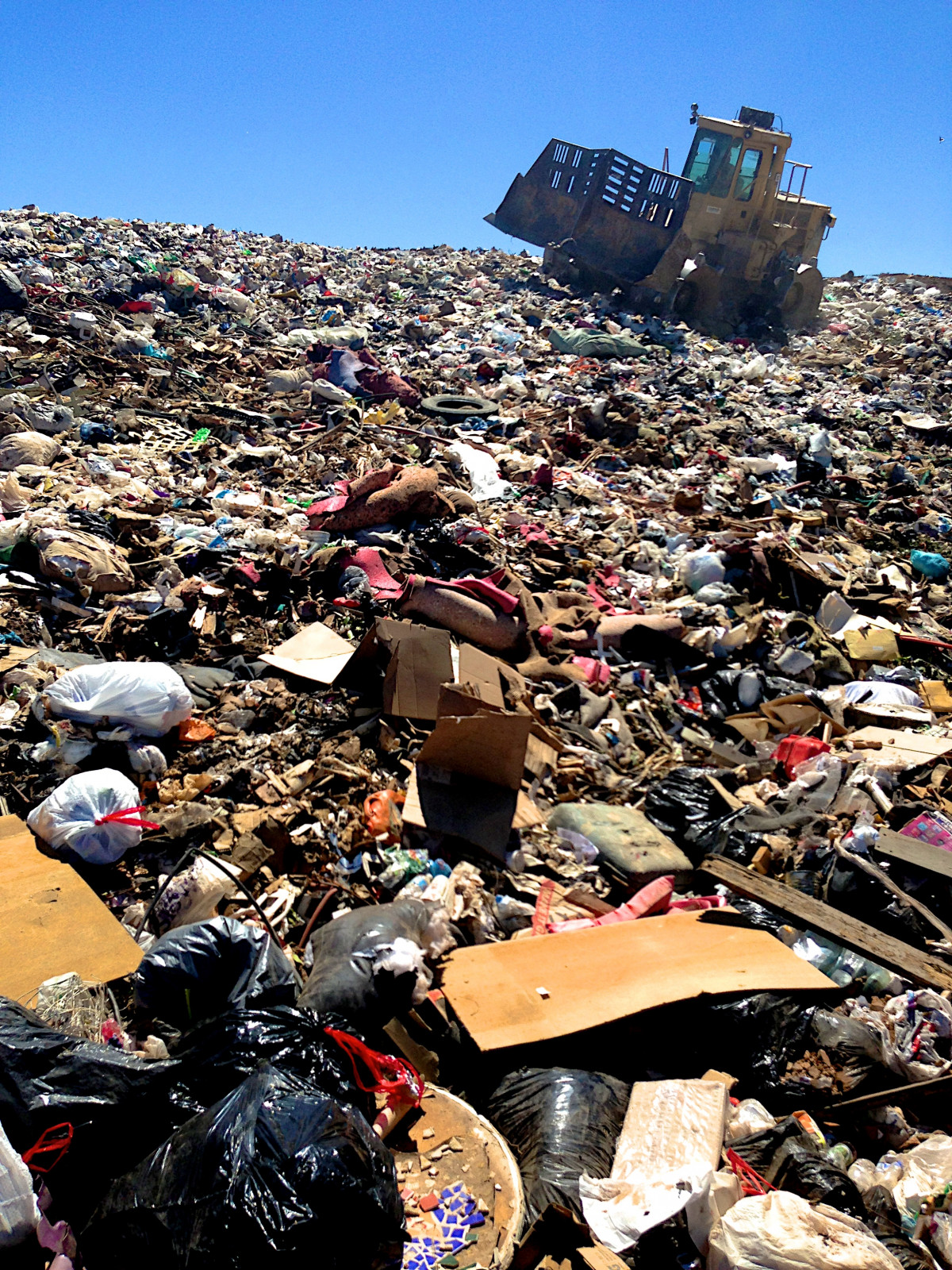
One of the most compelling aspects of waste-to-biochar technology is its ability to address the burgeoning crisis of organic waste disposal. With landfills nearing capacity and methane emissions surging from decomposing organic matter, converting waste into biochar epitomizes a circular economy. Agricultural byproducts, dairy manure, and even urban green waste can be repurposed into valuable biochar, effectively reducing landfill contributions and mitigating greenhouse gas emissions in the process.
Enhancing Soil Health
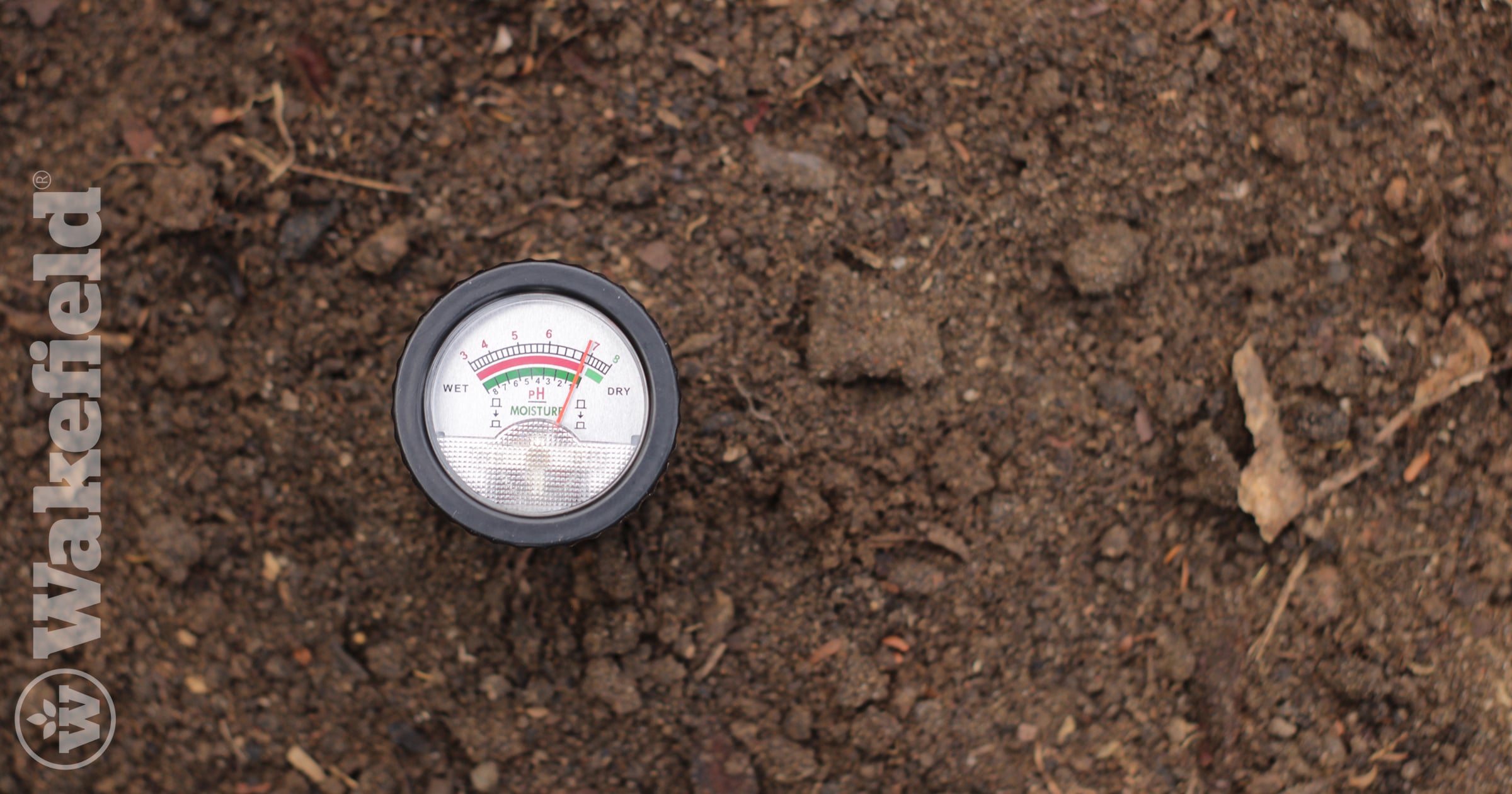
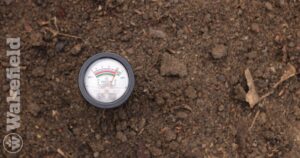
The impact of biochar on soil health transcends traditional fertilization methods. By incorporating biochar into the soil matrix, farmers can witness notable improvements in soil structure, fertility, and biodiversity. The porous nature of biochar allows for greater air and water infiltration, reducing soil compaction and enhancing root growth. Additionally, the adsorption properties of biochar enable it to retain essential nutrients such as nitrogen, phosphorus, and potassium, thereby decreasing the reliance on synthetic fertilizers. With ongoing concerns about soil degradation and nutrient leaching, biochar emerges as an indispensable ally in promoting long-term soil fertility.
Carbon Sequestration and Climate Mitigation
In light of escalating climate change, carbon sequestration plays a pivotal role in combating global warming. Biochar stands at the nexus of carbon management strategies, providing a sustainable method to sequester carbon in the soil for centuries. By converting biomass into a stable form of carbon, the process actively removes carbon dioxide from the atmosphere, shifting the paradigm toward a carbon-negative agricultural practice. This dual functionality as both a waste management solution and a climate change mitigation strategy underscores biochar’s significant potential in contemporary agricultural discourse.
Improving Crop Yields
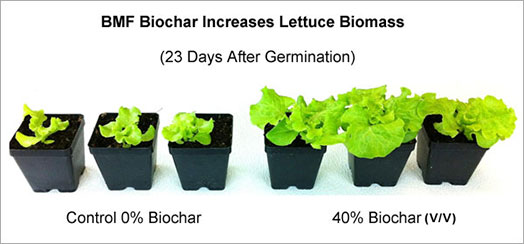
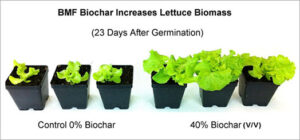
Research has consistently demonstrated that biochar application can enhance crop yields significantly. Through improved nutrient retention, moisture holding capacity, and microbial activity, biochar creates an optimal environment for plant growth. As farmers seek strategies to adapt to changing climatic conditions—such as increased drought frequency and erratic rainfall patterns—biochar’s moisture retention capability becomes a critical asset. It enables crops to withstand stress, ensuring sustained productivity even in less than ideal conditions.
Energy Generation: A Dual Benefit
Another compelling facet of the waste-to-biochar process is its potential to generate renewable energy. During the pyrolysis process, the byproducts—bio-oil and syngas—can be harnessed for energy production. Bio-oil, when refined, can be utilized as a substitute for fossil fuels, while syngas can be used to generate electricity. This symbiotic relationship between waste management, soil enhancement, and energy generation exemplifies the holistic promise of biochar systems, presenting farmers with an integrated solution that fosters sustainability across multiple dimensions.
Challenges and Considerations
Conclusion: An Imperative Shift Toward Sustainability
In conclusion, waste-to-biochar technology represents a transformative opportunity for the agriculture sector. By integrating waste management, soil improvement, climate action, and energy production into a cohesive framework, biochar serves as the circular solution agriculture has been waiting for. As farmers, policymakers, and researchers join forces to explore and optimize biochar applications, the potential for a sustainable, resilient agricultural future becomes increasingly attainable. The time is ripe for the adoption of this innovative approach, heralding a new era where waste is reimagined as a resource, ultimately contributing to a healthier planet and thriving agricultural systems.