In the realm of sustainable agriculture and environmental conservation, biochar emerges as an enchanting alchemist, transforming organic waste into a potent soil enhancer. But what exactly is this magical substance? How is it crafted? This guide delves into the fascinating world of biochar, illuminating its composition, creation, and compelling benefits that follow in its wake.
What Is Biochar?
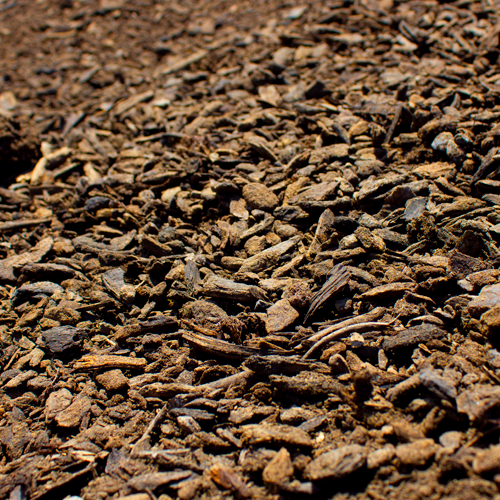
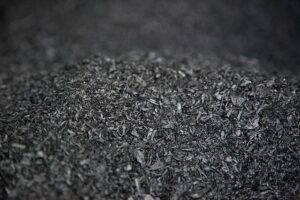
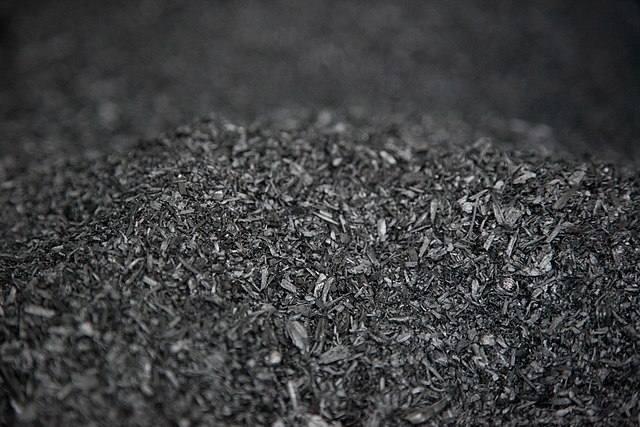
At its essence, biochar is a carbon-rich material produced by the pyrolysis of organic matter—think of it as the charcoal’s enlightened cousin. This blackened powerhouse is distinguished not merely by its appearance but by its profound impact on soil health and climate mitigation. Picture a dark blanket that nurtures the earth below, enhancing its fertility while simultaneously addressing pressing environmental issues. Its unique porous structure enables it to sequester carbon, mitigating greenhouse gas emissions and enriching the soil with vital nutrients.
The Historical Context of Biochar
The roots of biochar can be traced back to ancient civilizations, particularly in the Amazon rainforest, where indigenous people employed it to cultivate fertile land amid nutrient-poor soils. This technique, known as Terra Preta, or “black earth,” illustrates mankind’s age-old affinity for harnessing nature’s intricacies to foster life. The modern resurgence of biochar signifies a revival of these age-old practices, seeking to blend tradition with contemporary environmental science.
The Creation Process: How Is Biochar Made?
Crafting biochar is akin to orchestrating a delicate symphony of temperature and time. The primary method involves pyrolysis, a thermal decomposition process that occurs in the absence of oxygen. But let’s break down this intricate dance into digestible steps:
- 1. Feedstock Selection: The first note in this symphonic creation is choosing the right organic materials. Suitable feedstocks include wood chips, agricultural residues, manure, and even certain types of organic waste. Each type of feedstock contributes its unique characteristics to the final product, akin to an artist selecting colors for a canvas.
- 2. Pyrolysis Process: The feedstock undergoes pyrolysis under controlled conditions, typically in a specialized furnace or reactor. Here, temperatures range from 300°C to 700°C, extracting moisture and volatile compounds while locking carbon into a stable structure. The transformation from biomass to biochar is like a caterpillar emerging as a butterfly—striking and transformative.
- 3. Cooling and Collection: After the pyrolysis, the remaining biochar is cooled, often using air or water. This step is crucial, as the instant contact with oxygen could reignite the carbon-rich material. The resulting biochar is then collected, ready to embark on its journey to enrich soils.
The Science Behind Biochar: Why It Matters
One might wonder, why all this effort for a simple black material? The unique molecular structure of biochar offers remarkable benefits. Its porous nature grants it a high surface area, which means it can trap essential nutrients and water, acting as a reservoir for both. This attribute not only improves soil moisture retention but also enhances microbial activity, creating a thriving ecosystem beneath the ground.
Furthermore, the charcoal-like properties of biochar allow for significant carbon sequestration—removing carbon from the atmosphere and storing it safely in the soil for centuries, if not millennia. This transformation is pivotal in addressing global climate change, as every ton of biochar can potentially prevent several tons of carbon dioxide emissions.
Benefits of Using Biochar in Agriculture
The allure of biochar extends far beyond its ecological virtues; farmers and gardeners alike have heralded its benefits. Here are some of the most compelling reasons to embrace this carbon treasure:
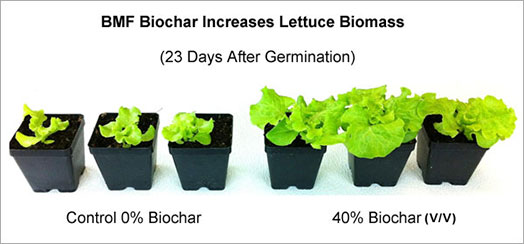
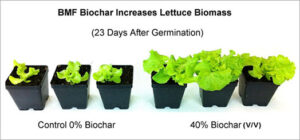
- Soil Enrichment: Biochar enriches soil by improving its structure, increasing nutrient-holding capacity, and enhancing aeration. Farmers can expect healthier plants with higher yields, akin to providing fertile ground for a nurturing relationship between the earth and its flora.
- Water Management: With climate change leading to erratic rainfall patterns, biochar assists in moisture retention. It acts as a sponge, allowing plants to tap into water reserves even during dry spells, thereby ensuring resilience in food production.
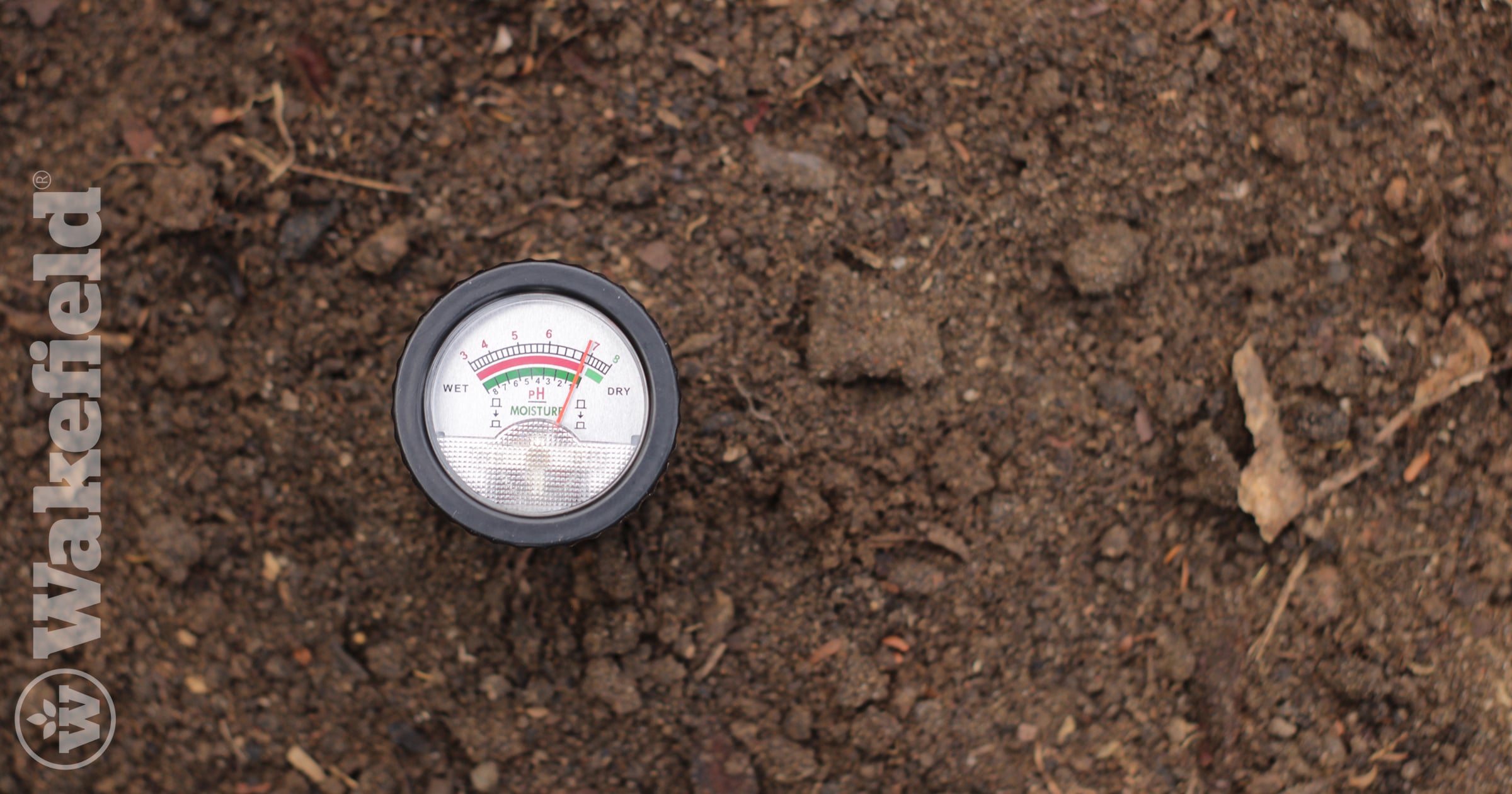
- Reduction of Soil Acidity: The alkaline nature of biochar can neutralize acidic soils, creating a more favorable environment for various crops. This transformation can open the door for diverse agricultural endeavors.
- Pest and Disease Resistance: The improved soil health bolstered by biochar contributes to plant robustness, making them less vulnerable to pests and diseases. This creates a more balanced ecosystem with fewer chemical inputs.
Biochar and Environmental Stewardship
Beyond its agricultural applications, biochar serves as a beacon of hope for sustainable land management and environmental stewardship. As urban areas continue to grapple with waste disposal challenges, biochar presents a viable solution. Utilizing organic waste to produce biochar can help divert significant amounts of materials from landfills, thereby mitigating methane emissions—a potent greenhouse gas released during decomposition.
Moreover, its application in reforestation and land restoration projects supports soil rehabilitation, contributing to biodiversity and ecosystem health. Think of biochar as a bridge, linking the concepts of waste reduction and soil enhancement, thus creating a holistic approach to environmental sustainability.
Conclusion: Embracing the Alchemy of Biochar
In conclusion, biochar stands at the intersection of ancient wisdom and modern science, embodying a unique solution to contemporary challenges faced by agriculture and the environment. It is more than just a soil amendment; it is a transformative agent capable of enriching the earth and combating climate change. From its mystical creation through pyrolysis to its manifold benefits, the journey of biochar is a testament to the power of natural processes. As we face a rapidly changing world, embracing biochar may very well be one of our most significant contributions to a sustainable future, enabling us to harmonize human activity with nature’s ineffable rhythms.