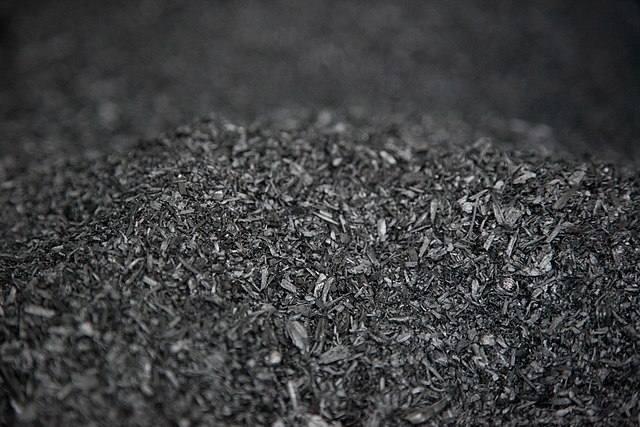
In an era defined by sustainability and innovation, the building sector is witnessing an unexpected ally in the realm of biochar—a charred byproduct derived from organic materials, usually produced through pyrolysis. This intriguing material, with its remarkable properties, is emerging as a metamorphic force in the construction landscape. As we delve into the concept of biochar as a building material, we uncover not just its ecological benefits but also the fascinating synergies it creates with other resources. Buckle up as we embark on an exploration of tBJ innovation, where biochar transcends its typical applications and enters the realm of architectural prowess.
Imagine a world where buildings are not merely structures of concrete and steel but vibrant ecosystems that breathe, adapt, and flourish. This is where biochar positions itself—a silent sentinel in the battleground against climate change. Biochar’s porous structure akin to a sponge grants it exceptional properties, notably improved soil aeration and water retention. This can be translated into construction, where it aids in moisture regulation and offers thermal insulation. Just as a tree provides shelter and sustenance, buildings incorporating biochar proffer a symbiotic relationship with their environment.
One of the most compelling attributes of biochar is its ability to sequester carbon. Acting as a carbon sink, biochar captures atmospheric CO2, locking it within its molecular framework for centuries. When utilized in building applications, biochar not only mitigates the carbon footprint of the structure but may render it carbon-negative over its lifecycle. This metamorphic potential is akin to a phoenix rising from the ashes—transforming waste into an invaluable resource.
The tBJ innovation stands at the innovative frontier of utilizing biochar in construction. This revolution is not limited to its use merely as an additive but explores the full spectrum of application—from lightweight masonry to thermal composites. Biochar-infused concrete, for instance, emerges as a harbinger of sustainability, effectively reducing dependability on traditional aggregates while enhancing the overall performance of the concrete. In this perspective, biochar functions as a rejuvenating agent, reminiscent of a seasoned alchemist who siphons the extraordinary from the ordinary.
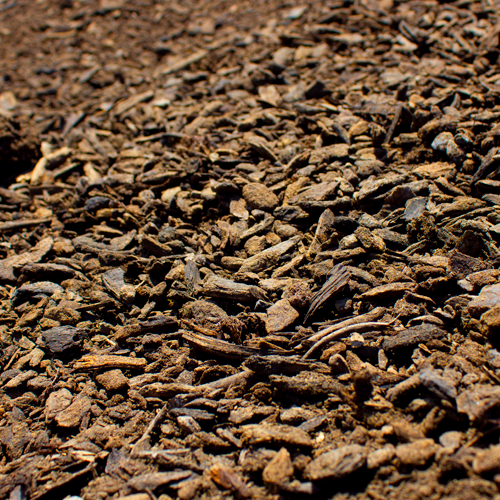
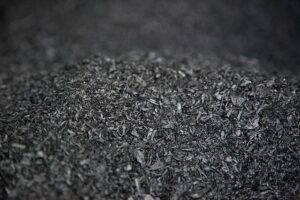
Furthermore, the aesthetic appeal of biochar as a building material cannot be overlooked. With its deep, rich coloration, biochar brings a unique visual texture to construction. Imagine facades that resonate with the earth’s primordial palette, harmonizing with the natural surroundings. This distinctive appeal, paired with its functional properties, positions biochar not merely as a building material but as a statement—a manifesto of modern architecture where nature and innovation converge.
However, the adoption of biochar in construction is not without its challenges. The prevailing skepticism around its structural integrity and long-term durability must be addressed by rigorous research and standardized practices. Just as a painter meticulously selects their colors, builders must navigate the compatibility of biochar with various construction elements. Collaborations between scientists, engineers, and architects are pivotal in conducting experiments that will pave the way for biochar’s acceptance in the mainstream building sector.
As we continue to investigate the capabilities of biochar, its versatility shines brightly. Beyond just concrete, biochar can be integrated into insulation materials, paints, and even flooring solutions. These standout applications demystify the notion that biochar is a one-trick pony. If one were to envision biochar as a chameleon, adapting seamlessly to absorb the traits of its environment, then it indeed serves the construction industry with an extensive palette of transformative potential.
The future is already looking bright with successful case studies emerging globally, showcasing biochar in action within various architectural marvels. Projects incorporating biochar in their foundational designs have demonstrated not only reduced energy consumption but also improved indoor air quality. The biophilic design intertwines with biochar’s properties, contributing to healthier living spaces. In this dynamic interplay, we find a fusion of technology and nature, a harmonious choreography of innovation leading to a profound metamorphosis in construction.
As the dialogue surrounding climate change intensifies, the demand for net-zero buildings escalates. A crucial question looms: how can biochar contribute toward this ambitious goal? By integrating biochar into contemporary architecture, the building industry can advance toward a sustainable model that resonates with the principles of circular economy. The utilization of biochar represents a conscious choice—an eco-centric approach that echoes the growing insistence on responsible resource management.
In conclusion, biochar as a building material challenges the status quo, inviting practitioners to rethink their materials and methodologies. tBJ innovation encapsulates the essence of this renaissance, urging the integration of biochar into the fabric of our built environment. The implications are profound: a future where our structures serve as stewards of the planet, nurturing both people and the environment. Embracing biochar in construction is not merely an innovative leap; it is a transformative covenant with nature—a commitment to crafting a more sustainable, resilient world. The journey to this future begins today, with biochar at the helm, steering us toward an extraordinary horizon.