In a world where the pursuit of sustainable energy solutions is paramount, the Journal of Analytical & Applied Pyrolysis stands as a beacon for researchers and industry experts alike. This scholarly publication delves deep into the intricacies of pyrolysis, a thermochemical process that transforms organic materials into biofuels, chemicals, and other valuable resources. What lies within the pages of this journal is not merely a collection of studies; it is a testament to innovation, an exploration of uncharted territories in scientific research concerning materials that could reshape our relationship with energy and the environment.
The journal encapsulates a variety of studies that rigorously investigate the mechanisms and potential of pyrolysis. Researchers are uncovering pivotal insights into how different materials interact under extreme heat, leading to the generation of various bio-products. Each study weaves a narrative that contributes to the broader tapestry of knowledge surrounding this complex discipline. From agricultural residues to plastic waste, the advancements documented within these pages reveal a paradigm shift in how we view waste—not merely as refuse, but as a repository of untapped potential.
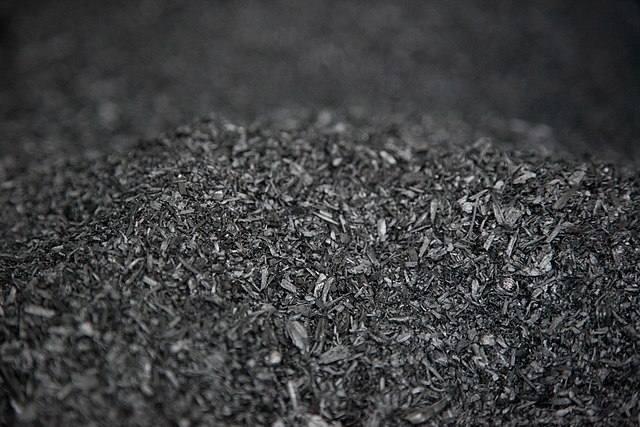
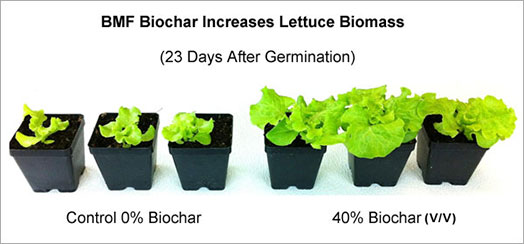
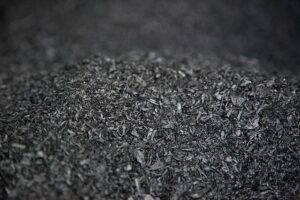
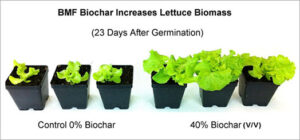
Among the most intriguing discoveries reported in the journal is the innovative use of agricultural by-products. Farmers have long been burdened with the dilemma of dealing with crop residues. The journal presents exhaustive studies suggesting that these residues, when subjected to pyrolysis, can yield biochar, a carbon-rich byproduct that not only sequesters carbon but also enhances soil fertility. Such insights extend an olive branch to sustainability advocates, offering an efficient solution to waste management while simultaneously contributing to food security.
Moreover, the journal does not shy away from the more complex subject of plastic waste. Several articles have highlighted pyrolysis as a viable solution for managing plastic pollution, a critical issue facing modern society. Researchers have scrutinized the effectiveness of different pyrolysis pathways, yielding promising results that indicate the potential to convert polyethylene and polystyrene into valuable oils and gases. These findings illuminate the pathway towards a circular economy, wherein waste materials can be reincarnated as useful resources, thus reducing reliance on fossil fuels.
A significant portion of the journal is dedicated to the thermal kinetics of pyrolysis—the study of reaction rates and mechanisms. This area of research is foundational for optimizing pyrolysis processes. Scholars have engaged in meticulous experiments to determine the optimal temperature and pressure conditions for various feedstocks. Such explorations are crucial because understanding these parameters can significantly enhance the efficiency of the pyrolysis process, leading to increased yields and reduced energy consumption. As energy costs continue to rise globally, these findings assume even greater importance.
Furthermore, the incorporation of innovative technologies and methodologies enriches the research landscape presented in the journal. The application of advanced analytical tools, such as mass spectrometry and nuclear magnetic resonance spectroscopy, has revolutionized the characterization of the products obtained from pyrolysis. Researchers are now able to dissect the molecular structure of these bio-products with unprecedented clarity, paving the way for new applications and industries. These analytical advancements are essential not only for scientific inquiry but also for commercial viability.
What becomes increasingly evident is the interdisciplinary nature of pyrolysis research. The insights gathered are not limited to chemistry; they intersect with environmental science, economics, and policy-making. The journal emphasizes studies exploring the cost-benefit analysis of implementing pyrolysis on a large scale. It prompts a discussion on how governmental policies can support or hinder the adoption of pyrolysis technologies. As societies grapple with climate change, the journal serves as a crucial platform for advocating sustainable practices that policymakers must consider.
Equally compelling are the societal implications of pyrolysis elucidated within the journal’s articles. Scholars are engaging with questions about public perception and industrial acceptance of pyrolysis-derived products. How do consumers view biofuels compared to conventional fuels? Are there barriers to the adoption of biochar in agricultural practices? Addressing these queries is essential for a successful transition toward a sustainable energy paradigm. By analyzing the sociocultural dynamics surrounding pyrolysis, the journal extends its relevance beyond the laboratory and into everyday life.
In addition to these explorations, the Journal of Analytical & Applied Pyrolysis also fosters a collaborative environment by featuring international research contributions. This global perspective enriches the discourse by allowing researchers from different contexts to share their findings and insights. The comparisons drawn between various geographical regions demonstrate the diverse applications and adaptations of pyrolysis technologies. Such collaboration fosters innovation while refining methodologies that can be tailored to local needs and challenges.
The continuous evolution of pyrolysis research is nothing short of exhilarating. The discoveries captured in the Journal of Analytical & Applied Pyrolysis not only hold the promise of a sustainable future but also challenge preconceived notions about waste and energy production. As researchers push the boundaries of our understanding, the implications of their work resonate through environmental conservation, economic viability, and societal impacts.
In conclusion, the Journal of Analytical & Applied Pyrolysis is an invaluable resource that encapsulates the forefront of pyrolysis research. Its comprehensive and thoughtful examination of recent studies reveals a promising realm of possibilities. By illuminating the transformative potential of pyrolysis technologies, the journal piques curiosity and inspires further inquiry. With continued exploration and innovation, the insights garnered within its pages may ultimately contribute to a more sustainable and resource-efficient world, redefining how we conceive of waste in the process.