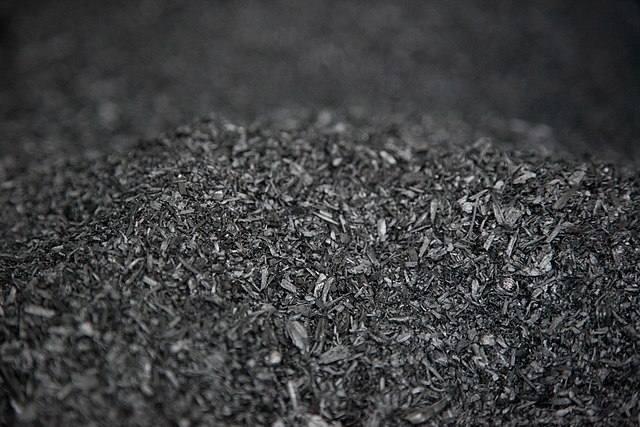
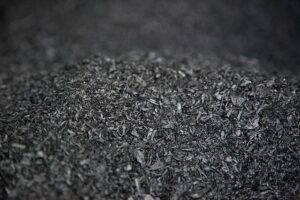
Biochar, a fixed-carbon-rich product derived from the pyrolysis of organic materials, is gaining traction as a transformative tool in the realm of environmental stewardship and sustainable agriculture. Its unique properties provide numerous advantages that extend far beyond simple soil enhancement. By digging deeper into the benefits of biochar, one can appreciate its multifaceted roles in carbon sequestration, soil health improvement, and water management.
One of the primary advantages of biochar is its capacity for carbon sequestration. As climate change continues to be a pressing global concern, finding effective strategies to reduce atmospheric carbon dioxide levels is paramount. Biochar acts as a stable carbon sink, sequestering carbon for centuries, if not millennia. This longevity ensures that carbon, which would otherwise contribute to greenhouse gas emissions, remains trapped within the soil matrix, thereby mitigating its adverse effects on climate.
Moreover, the process of creating biochar itself generates fewer greenhouse gases compared to traditional biomass burning methods. During pyrolysis, biowaste undergoes decomposition in the absence of oxygen, which minimizes carbon emissions. Consequently, biochar production presents a dual benefit: it locks up carbon while also reducing overall emissions, creating a win-win scenario for our planet.
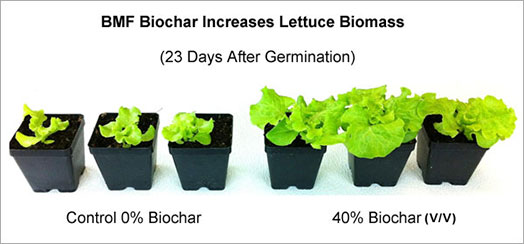
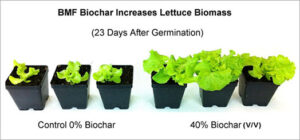
Another compelling aspect of biochar is its enhancement of soil health. For centuries, farmers and agriculturalists have sought effective means to improve soil fertility and productivity. Biochar contributes significantly to soil conditions by improving aeration and drainage. Its porous structure increases the soil’s surface area, allowing for better retention of nutrients and moisture. This is particularly critical in regions experiencing water scarcity, as biochar can help optimize irrigation practices by retaining vital resources within the soil profile.
Furthermore, the application of biochar in agricultural settings can lead to a reduction in chemical fertilizer usage. The nutrient retention capacity of biochar enables soils to maintain essential minerals longer, thereby reducing the need for synthetic fertilizers that can contribute to environmental pollution. This shift not only fosters healthier ecosystems but also reduces farmers’ input costs over time, creating a more sustainable agricultural model.
Biochar’s impact extends beyond soil enhancement; it plays a role in improving the biodiversity and health of the surrounding ecosystem. By fostering a more hospitable soil environment, biochar encourages beneficial microbial communities to thrive. These microbes are crucial for nutrient cycling, as they mobilize essential nutrients from organic matter and make them available to plants. The interactions between biochar, soil microorganisms, and plants create a synergistic effect that enhances overall agro-ecosystem resilience.
Additionally, biochar has shown proficiency in water management. Its hydrophobic properties allow it to absorb and retain significant amounts of water, making it an invaluable resource in both agricultural and ecological contexts. When incorporated into soil, biochar increases water infiltration and retention, which is particularly beneficial for drought-prone areas. This moisture-retention ability can lead to enhanced crop resilience during dry spells, ensuring food security in an increasingly unpredictable climate.
On the environmental front, biochar also demonstrates promising applications in pollution remediation. Its high porosity and surface area make it adept at adsorbing heavy metals, contaminants, and excess nutrients, such as nitrogen and phosphorus, from polluted water bodies. This filtration capability is especially important for addressing the issues of runoff from agricultural fields, wherein excess fertilizers can lead to harmful algal blooms in our waterways. By stabilizing nutrients in the soil and preventing them from leaching into aquatic ecosystems, biochar plays a crucial role in protecting water quality.
Despite the myriad benefits, it’s essential to approach biochar as a solution with an understanding of its limitations. The effectiveness of biochar can vary based on feedstock used, pyrolysis temperature, and soil characteristics. Different types of organic materials, such as wood, agricultural residues, and animal manure, yield biochar with unique properties tailored to specific applications. Consequently, customization and careful consideration of local conditions are vital for maximizing biochar’s potential.
Furthermore, research into biochar is continually evolving. Ongoing studies aim to elucidate the optimal conditions for biochar production, its long-term impacts on soil ecosystems, and its potential as a carbon credit commodity. These insights reinforce the notion that biochar is not a panacea; rather, it is a versatile tool that, when used appropriately, can contribute significantly to sustainable practices and climate change mitigation strategies.
In conclusion, the exploration of biochar reveals a rich tapestry of benefits that intertwine agricultural productivity, environmental sustainability, and climate resilience. Its multifarious roles in enhancing soil health, improving water management, and acting as a carbon sink present compelling reasons for its growing adoption in both agricultural and ecological contexts. As global interest in sustainable practices escalates, the integration of biochar into production systems might just be one of the key pieces in the puzzle towards cultivating a more sustainable future.