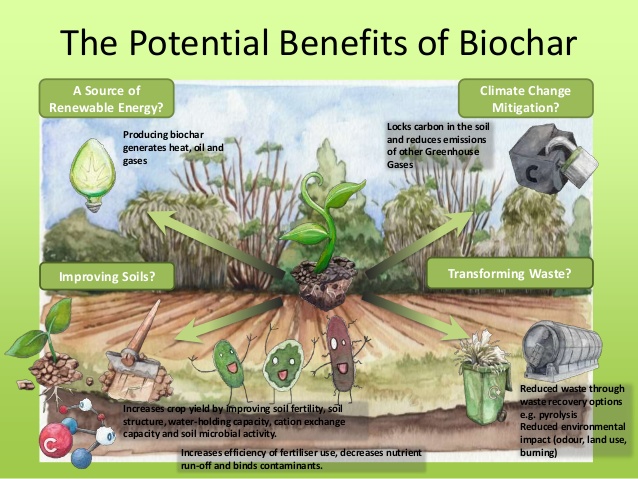
As global concerns about climate change and soil degradation come to the forefront, the exploration of biochar has garnered significant attention. But what exactly lies beneath the surface of biochar production and its utilization? While its promises have captured the imaginations of many, the reality involves a complex interplay of costs and benefits that merits a closer examination. This article dives into the multifaceted implications of biochar, illuminating both its potential advantages and the economic and environmental costs associated with its production and use.
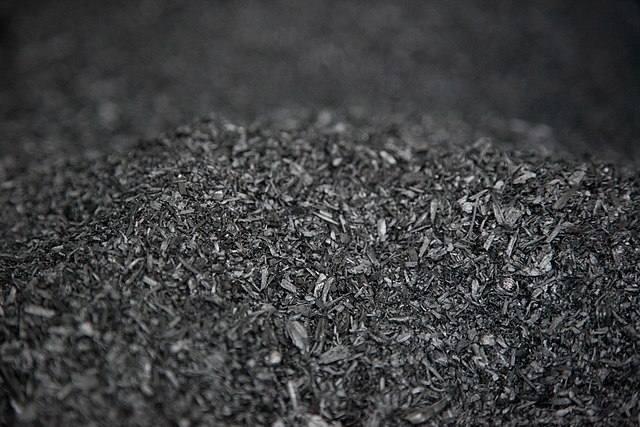
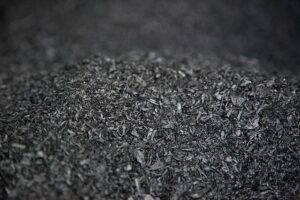
To begin, it’s essential to define biochar. Biochar is a carbon-rich material produced from the pyrolysis of organic matter, which is the thermal decomposition of biomass in the absence of oxygen. One might wonder, “Is the creation of biochar a panacea for our environmental woes, or are there hidden expenses lurking in the shadows?” This question leads us to our exploration of the myriad costs and benefits that emerge from its production and application.
Understanding the Production Process
The process of creating biochar entails several stages, including the sourcing of biomass, the pyrolysis itself, and subsequent handling. Each stage incurs specific costs. For instance, sourcing biomass may require logistical outlays related to transportation and storage, which can be significant depending on the type and location of feedstock utilized. Common sources include agricultural residues, forestry by-products, and even municipal waste. While utilizing waste materials can reduce disposal costs, the economics often hinge on the distances involved and local availability of suitable feedstocks.
Furthermore, the pyrolysis process requires energy. Depending on the technology employed and the feedstock utilized, this energy requirement can vary dramatically, thus affecting production costs. As the demand for biochar grows, innovators are working to make this process more efficient; however, the upfront investment in advanced technologies can be prohibitive, especially for small-scale producers.
The Environmental Prospects
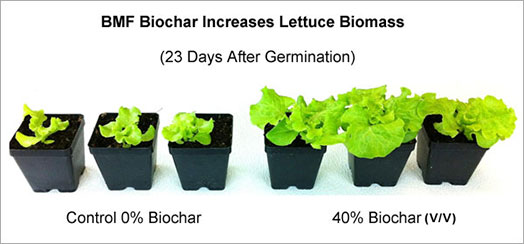
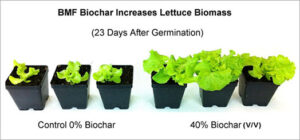
Let’s pivot to the alluring benefits of biochar. When applied to soil, biochar can enhance soil fertility, increase water retention, and sequester carbon, thus contributing to climate change mitigation. Studies have shown that it can bolster crop yields, leading to increased agricultural productivity. Imagine a future where farmers can grow more without needing to expand their arable land. That sounds ideal, doesn’t it?
However, there exists an important subtlety. The efficacy of biochar can be highly variable, depending on a multitude of factors, including soil type, climate, and crop species. This inconsistency poses a challenge—how can farmers be assured of the benefits without a reliable roadmap? It becomes essential for further research to elucidate the precise conditions under which biochar maximizes its positive impact.
Economic Implications for Farmers
While the potential for improved crop yields exists, farmers must weigh this against the costs of production and application. Are these inputs truly affordable, or do they surpass the benefits reaped? The economic calculus can be daunting, especially for smallholder farmers with limited resources. Additionally, there is a learning curve associated with integrating biochar into existing agricultural practices. Overcoming this challenge requires education and support systems that can guide farmers through the transition, facilitating a smoother assimilation of this innovative material into their practices.
Data and Research Needs
The exploration of biochar’s benefits brings us to an essential point: the need for robust data. As various studies produce differing conclusions regarding the effectiveness of biochar, objective evaluations are vital. Investing in research can help streamline best practices, optimize production methods, and clarify the contexts in which biochar is most effective. Without a comprehensive body of evidence, stakeholders may hesitate to adopt biochar or promote its use, thus hindering its broader potential.
Potential Detriments to Ecosystems
Turning our attention to the environmental costs, it is crucial to note that the production of biochar is not without its challenges. The harvesting of biomass for biochar can lead to deforestation, habitat destruction, and increased carbon emissions if not managed sustainably. Moreover, the uptake of certain agricultural residues could have cascading effects on soil health and local biodiversity. This raises an important question: can the production of biochar be faithfully aligned with principles of sustainability, or do we risk trading one environmental issue for another?
As stakeholders in the biochar paradigm wrestle with these dilemmas, the implementation of stringent regulations and criteria for responsible sourcing becomes increasingly salient. Ensuring that biochar production adheres to sustainable practices is vital in preserving the very ecosystems that contribute to its effectiveness.
Policy and Economic Incentives
In the broader scheme, the policies that govern biochar production and use play an instrumental role in shaping its viability. Economic incentives, including subsidies for sustainable production methods or tax breaks for farmers who utilize biochar effectively, could foster a more favorable climate for its adoption. Establishing frameworks that support the integration of biochar into carbon trading markets could further encourage investment in this environmentally beneficial material.
Conclusion: Navigating the Terrain
In summary, navigating the costs and benefits of biochar production and use reveals a landscape teeming with potential but riddled with challenges. The economic implications for farmers, the environmental consequences of biomass sourcing, and the demand for rigorous research all intersect in complex ways. By embracing a nuanced understanding of biochar—balancing its promises against its perils—we can collectively strive for solutions that leverage its benefits while mitigating its costs, ultimately fostering a sustainable agricultural future.