In an era where environmental concerns are paramount, the journey from biomass to biochar presents an eco-friendly solution that simultaneously addresses waste management and climate change mitigation. This transformation of agricultural and forestry residues into biochar emerges as a beacon of hope. Let’s delve into the multifaceted world of biomass conversion, exploring its processes, benefits, and potential ramifications for our planet.
Understanding Biomass: A Rich Resource
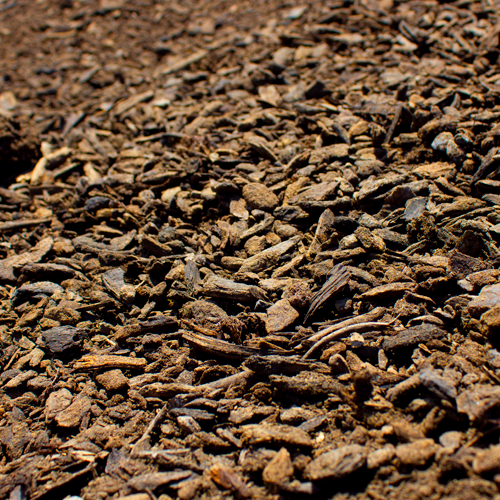
Biomass encompasses a vast range of organic materials, including agricultural by-products like corn stover and rice husks, forestry residues such as sawdust, and even select municipal wastes. This renewable resource serves as an invaluable feedstock for converting waste into biochar. The sheer abundance of biomass—derived from both cultivated and wild plants—undoubtedly positions it as a pivotal player in sustainable resource management.
As the world grapples with the accelerating repercussions of climate change, harnessing biomass for biochar production serves a dual purpose: it diminishes waste accumulation and promotes carbon sequestration. This innovative method not only optimizes waste utilization but also counters greenhouse gas emissions, creating a win-win scenario for both the earth and society.
The Pyrolysis Process: A Transformational Alchemy
The conversion of biomass into biochar predominantly occurs through a process known as pyrolysis. Pyrolysis refers to the thermal decomposition of organic matter at elevated temperatures in the absence of oxygen. During this process, biomass undergoes a remarkable transformation—breaking down its complex molecular structure into simpler compounds while simultaneously generating biochar.
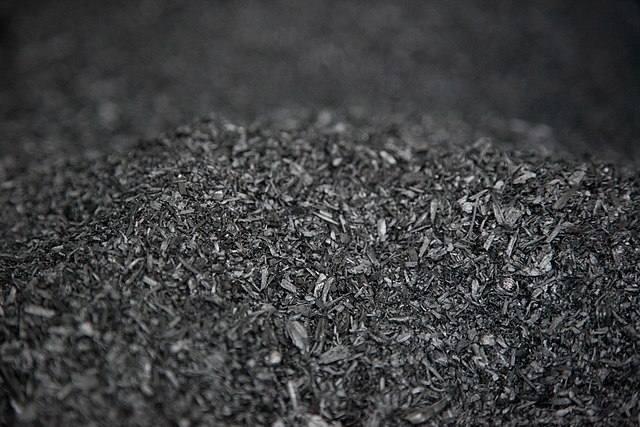
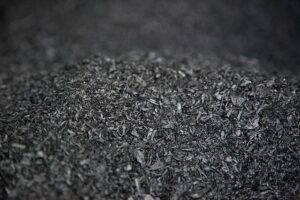
Upon being subjected to high temperatures, typically ranging between 300°C to 700°C, biomass emits volatile gases and aerosols while solidifying into biochar. The resultant char consists predominantly of carbon, along with various minerals and nutrients, making it an excellent soil amendment. Different pyrolysis temperatures influence the properties of the produced biochar; lower temperatures yield a more alkaline product, while higher temperatures often result in a more stable carbon structure, enhancing its longevity in soil.
The Quintessential Benefits of Biochar
Biochar is not merely a by-product of pyrolysis; it embodies a plethora of ecological, agronomic, and economic advantages.
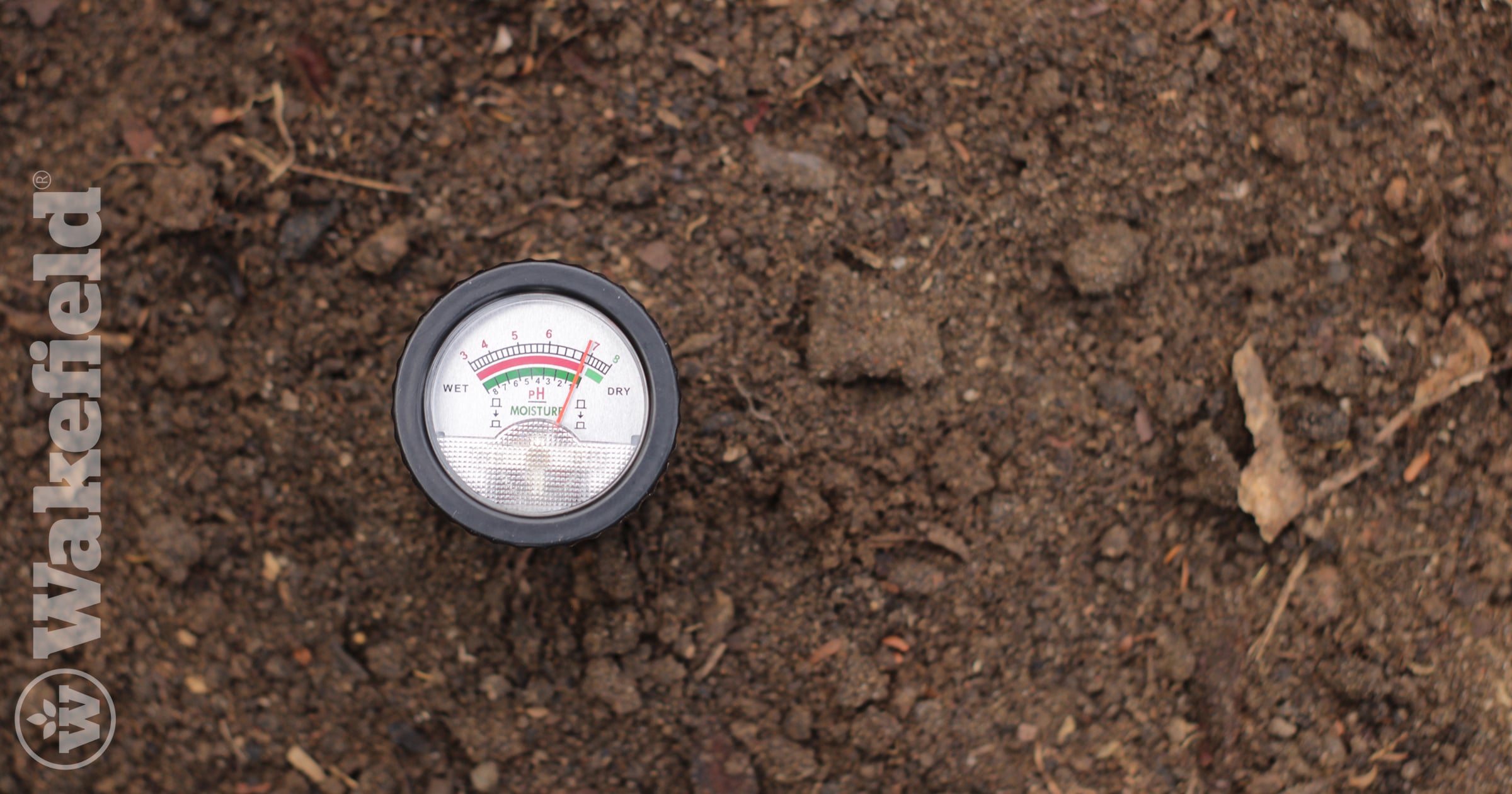
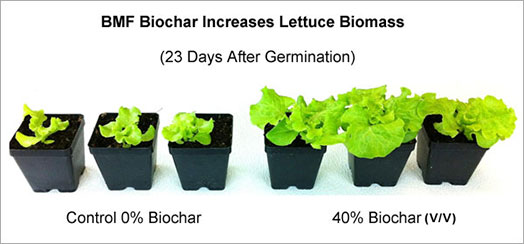
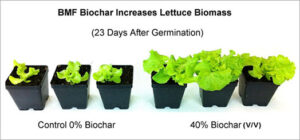
- Soil Enhancement: One of the most notable benefits of biochar is its ability to improve soil health. When incorporated into agricultural land, biochar enhances soil structure, increases water retention, and boosts nutrient availability, fostering an optimal environment for plant growth.
- Carbon Sequestration: By converting biomass into biochar, carbon is effectively sequestered. This process potentially locks away carbon for hundreds, if not thousands, of years, significantly mitigating atmospheric CO2 concentrations.
- Waste Management: Biochar offers a sustainable way to manage organic waste, minimizing landfill usage while transforming potential pollutants into a resource. This sustainable disposal method diverts waste from landfills and significantly reduces methane emissions.
- Reduces Fertilizer Dependency: The application of biochar can reduce the need for chemical fertilizers. By enhancing nutrient retention and improving microbial activity, biochar supports a more agri-ecological approach to farming.
- Water Management: Biochar’s porous structure aids in water retention and drainage, ensuring that water is available to plants while preventing soil erosion—a vital consideration in increasingly erratic weather patterns.
- Economic Opportunities: The biochar sector represents an emerging market with potential for job creation and innovative agricultural practices. Farmers can explore new ventures through biochar production, selling it as a soil amendment or using it to enhance their own agricultural outputs.
Potential Challenges and Considerations
While the virtues of biochar are compelling, the journey to widespread adoption is marred by challenges that require thoughtful navigation. These include further research into optimal production methods, understanding the local context for biochar application, and assessing long-term ecological impacts.
Moreover, the scalability of biochar production can pose logistical challenges. Access to resources, technology, and funding may necessitate collaboration across various sectors—including agriculture, industry, and government. Additionally, public awareness and education regarding biochar’s multifaceted benefits remain essential for driving its acceptance in agricultural practices.
The Future of Biomass to Biochar Conversion
The potential of converting biomass to biochar as a cornerstone of sustainable agriculture and climate change mitigation is profound. As research continues to unveil the myriad benefits of this process, there is an increasing interest in integrating biochar into modern farming practices. Advancements in pyrolysis technology may also yield more efficient and cost-effective methods, hastening the journey toward a sustainable bioeconomy.
In the grand tapestry of solutions to combat climate change, transforming waste into biochar stands as a noteworthy thread. By embracing the potential of biomass, societies across the globe can unearth solutions that not only foster agricultural productivity but also protect our fragile ecosystems. The alchemical journey from waste to climate gold embodies a remarkable intersection of innovation, sustainability, and ecological stewardship—an essential narrative for the future of our planet.