Biochar is a term that has garnered significant interest in recent years, particularly among those who are passionate about environmental sustainability and innovative agricultural practices. It is essentially a stable form of charcoal produced through the pyrolysis of organic matter, a process that involves the thermal decomposition of biomass in the absence of oxygen. This remarkable product has the potential to transform soils and contribute to a more sustainable future. But what exactly is biochar? Let’s delve into its definition, production process, benefits, and potential applications.
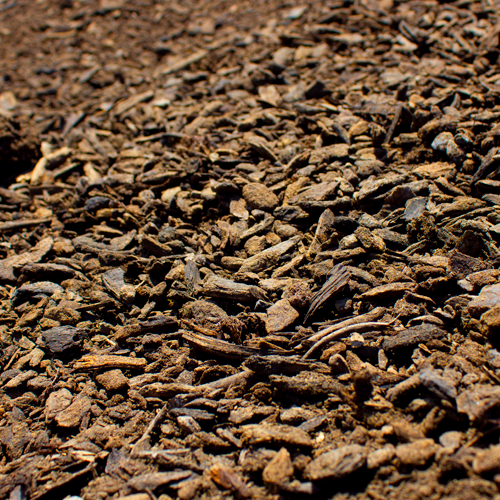
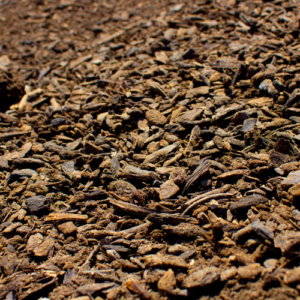
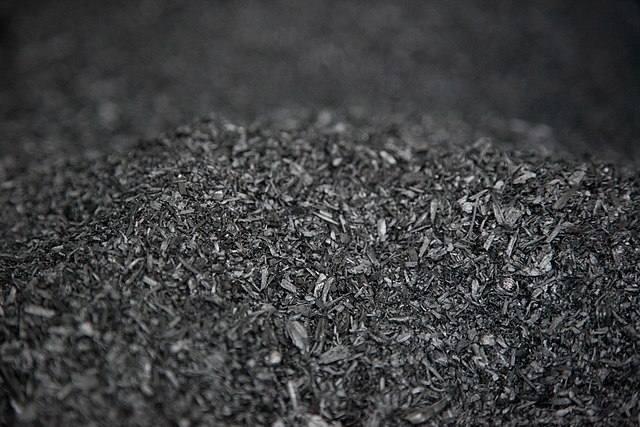
At its core, biochar is a carbon-rich material that is created by heating organic matter—such as agricultural residues, forestry by-products, and even urban waste—at high temperatures. The process of pyrolysis not only eliminates harmful pathogens and contaminants, but it also preserves valuable nutrients that would otherwise be lost if the biomass were simply left to decompose. As a result, biochar emerges as a fine, black powder characterized by its porous structure and high surface area.
Interestingly, biochar is often compared to traditional charcoal, though there are key distinctions. While both materials are products of carbonization, biochar is specifically engineered with the intent of being utilized as a soil amendment or environmental tool. Its production not only sequesters carbon—thereby reducing atmospheric carbon dioxide levels—but also enriches soil in myriad ways.
So, how is biochar produced? The process begins with the selection of biomass feedstock, which can vary widely, from agricultural waste like corn stover to forestry residues such as wood chips. Once the material is collected, it is subjected to an anaerobic heating process, typically at temperatures ranging from 300 to 700 degrees Celsius. During pyrolysis, the volatile components of the biomass are vaporized, while the stable carbon structure remains intact. This isolation creates biochar, rich in carbon and essential minerals, while releasing gases and bio-oils that can also be collected and used for energy.
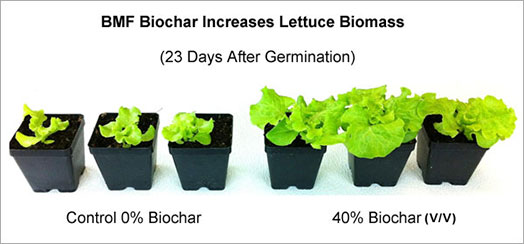
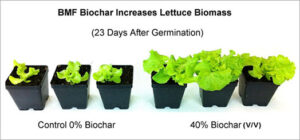
The benefits of biochar extend well beyond its fascinating production process. One of the most compelling aspects is its potential for improving soil quality. When incorporated into soil, biochar enhances nutrient retention, reduces leaching, and improves water-holding capacity. The porous nature of biochar provides an ideal environment for beneficial soil microorganisms, effectively fostering a healthy soil ecosystem. Additionally, biochar can contribute to increased crop yields, making it a vital resource for farmers seeking sustainable solutions to food production.
Moreover, biochar’s role in carbon sequestration cannot be overstated. By sequestering carbon in a stable form, biochar offers a means of mitigating climate change—a daunting challenge facing society today. Unlike conventional organic matter that quickly decomposes and releases carbon back into the atmosphere, biochar can remain in the soil for hundreds to thousands of years, serving as a long-term carbon storage solution.
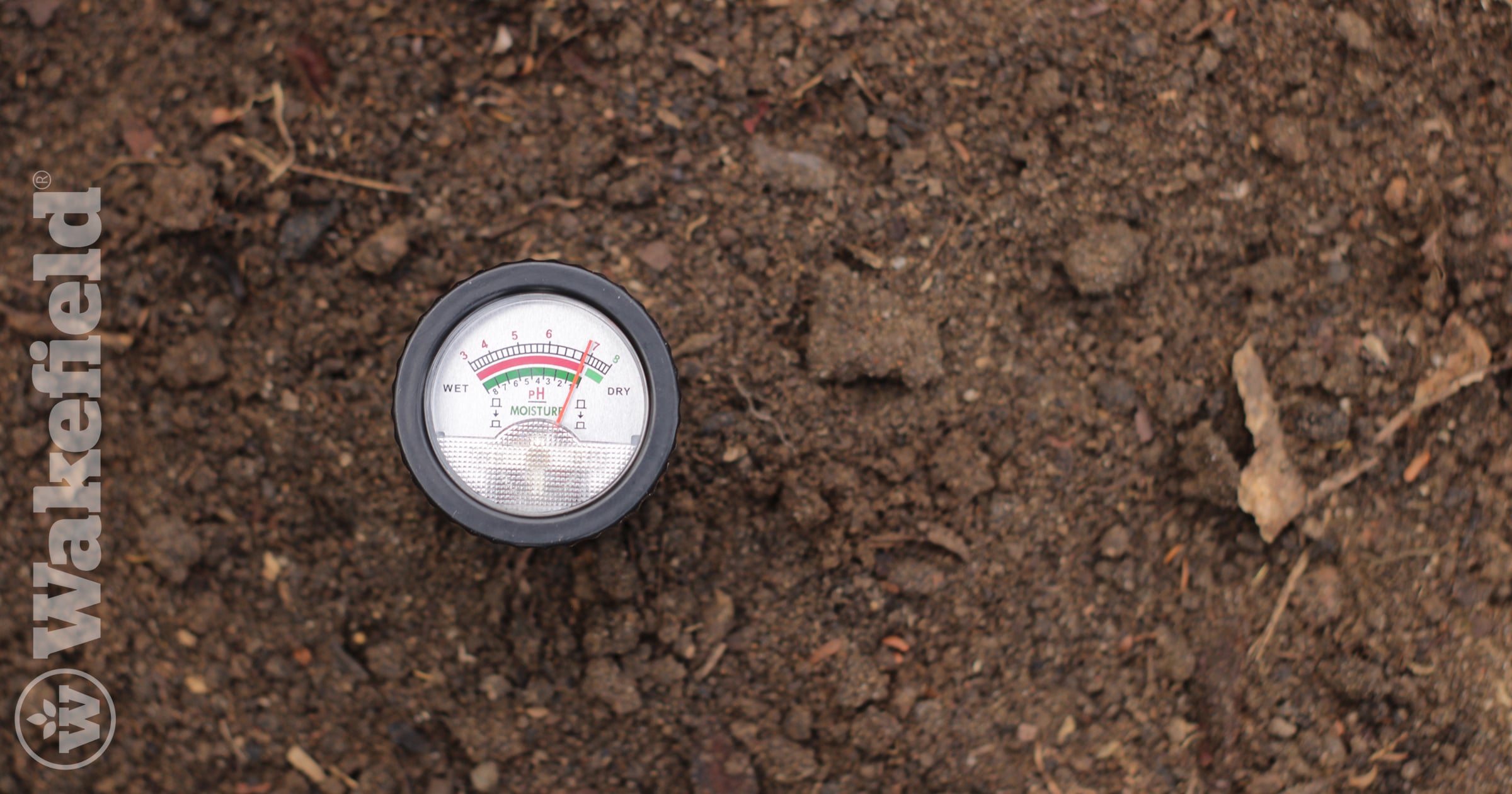
Another remarkable attribute of biochar is its ability to improve soil pH. In acidic soils, the alkaline nature of biochar can help to neutralize pH levels, creating a more conducive environment for plant growth. This is particularly beneficial for regions that struggle with soil acidity and subsequent challenges in crop cultivation.
Yet, while the advantages of biochar are profound, its possibilities extend beyond agriculture. Biochar has shown promise in water purification and remediation of contaminated soil. Its porous structure allows it to absorb heavy metals, pollutants, and pathogens, making it an innovative solution for addressing environmental issues such as brownfield sites and polluted waterways.
As biochar continues to gain popularity, its applications within sustainable energy systems also deserve consideration. The gases released during pyrolysis can be captured and utilized for energy production, creating a closed-loop system that enhances overall sustainability. This synergy between biochar production and energy generation aligns perfectly with modern aspirations for a circular economy.
Another fascinating avenue is the combination of biochar with other materials in bioengineering and composting practices. When mixed with organic fertilizers and compost, biochar can improve nutrient delivery and promote faster decomposition rates. This integration of various organic compounds not only enhances overall soil health but also optimizes agricultural productivity.
Despite its many benefits, it is important to approach biochar with a balanced perspective. Research is ongoing to determine the most effective practices for its application, as factors such as soil type, climate, and feedstock can significantly influence its efficacy. A one-size-fits-all approach may not yield the desired outcomes, and understanding these nuances is critical for maximizing biochar’s potential.
In conclusion, biochar represents a remarkable intersection of environmental science, agriculture, and climate action. Its ability to improve soil health, sequester carbon, and serve as a remediation tool highlights a multiplicity of benefits that can be harnessed for the greater good. As society navigates the complexities of sustainability, biochar stands out as a beacon of hope—a tangible solution that can reshape our relationship with the earth. For those looking to delve deeper into the world of sustainable practices, exploring biochar is not just an opportunity; it’s an invitation to reimagine the future of our ecosystems.