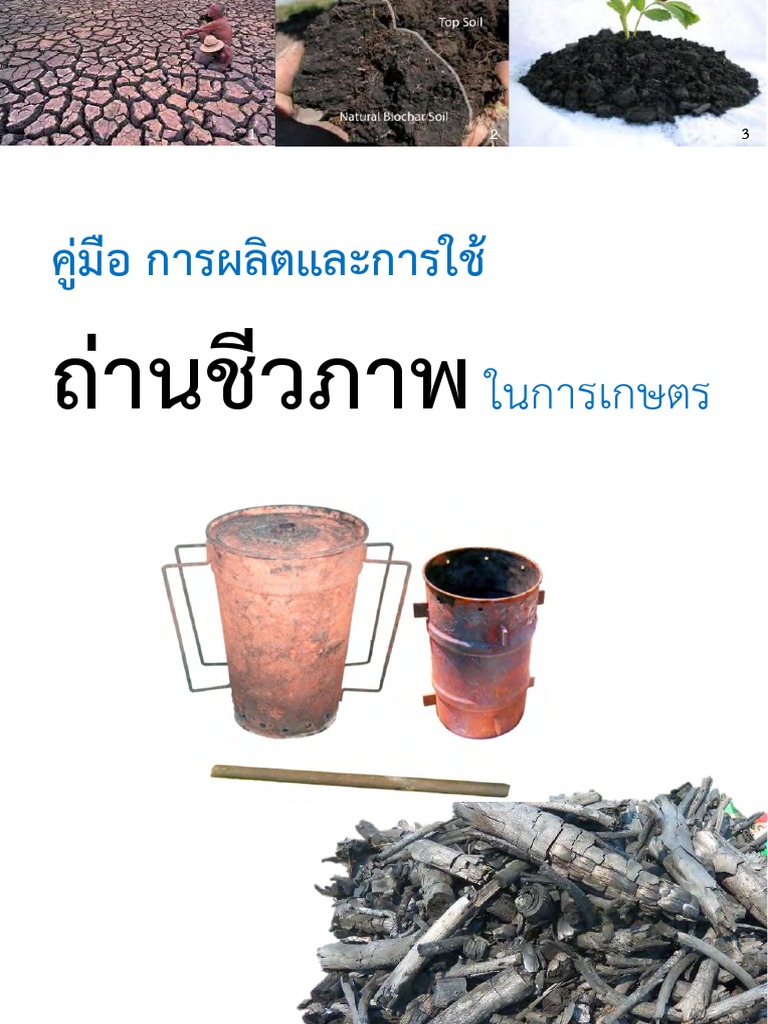
Biochar is a term that has been gaining traction in environmental and agricultural discussions. While it may sound simple, its pronunciation, etymology, and usage reveal a much larger narrative about our relationship with the earth and sustainability. So, how do we say “biochar,” and what does this fascinating substance imply for modern science and ancient practices? Let’s dig into the nuances.
First, let’s address the pronunciation of biochar. This word is composed of two parts: “bio” and “char.” “Bio” is pronounced as “bye-oh,” rhyming with “high” and “sigh.” The second component, “char,” is pronounced as “char,” which sounds exactly like the verb meaning to partially burn something. So, when put together, biochar is pronounced as “bye-oh-char.” This pronunciation is not merely a linguistic curiosity; it invites us to explore the rich tapestry of its applications.
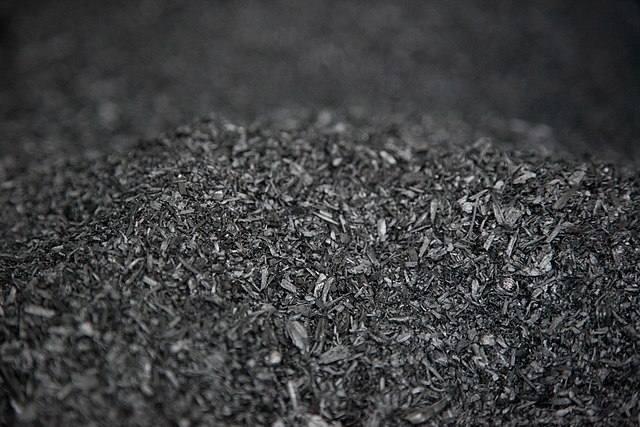
Delving into its origin, let us dissect the etymology of biochar. The term is derived from the prefix “bio-,” originating from the Greek word “bios,” meaning life. It emphasizes the biological essence of this material, which is produced from organic matter through pyrolysis—an ancient method of thermochemical decomposition caused by high temperatures in the absence of oxygen. The second part, “char,” comes from charcoal, derived from Middle English “char” and Old French “charbon,” which means carbon. Thus, biochar literally translates to “life carbon,” reflecting its potential to enhance fertility in the soil while sequestering carbon dioxide from the atmosphere. The juxtaposition of life and carbon elegantly encapsulates biochar’s dual role as both a nutrient-rich soil amendment and a carbon sink.
Biochar has a rich history, transcending modern environmental science to touch upon ancient agricultural practices. Archaeological records indicate that indigenous cultures in the Amazon Basin used a form of biochar, known as terra preta, over 2,500 years ago. They ingeniously integrated it into their agricultural systems, enhancing the nutrient profile of the soil, boosting yields, and fostering sustained food production. This historic insight prompts us to examine why biochar has resurfaced in contemporary discussions about sustainability and climate change.
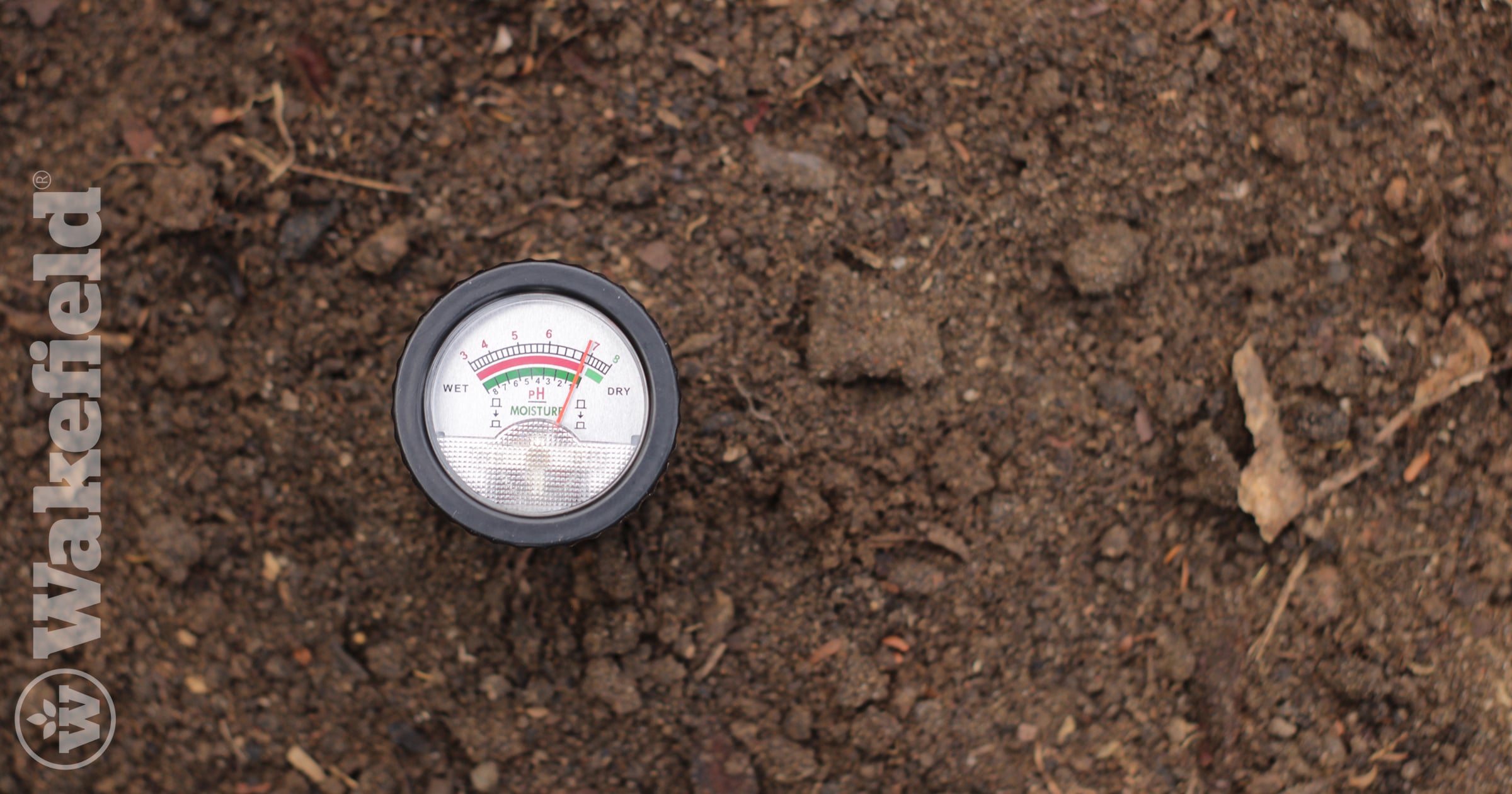
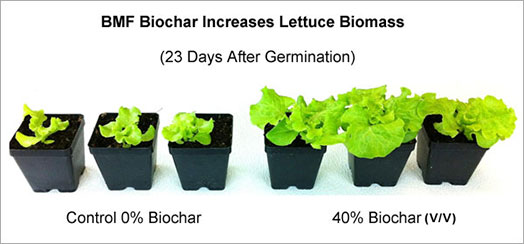
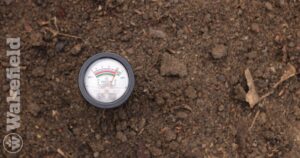
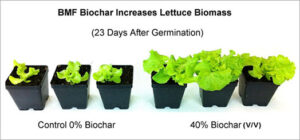
As our global focus shifts toward combating climate change and enhancing agricultural productivity, biochar stands as a beacon of hope. Scientists and farmers alike are fascinated by its myriad benefits. One of the most compelling aspects of biochar is its ability to improve soil health. When incorporated into soil, biochar enhances its physical and chemical properties. It increases soil porosity, resulting in better aeration and water retention. This is paramount, particularly in arid regions where water scarcity is a pressing issue. Moreover, biochar serves as a habitat for beneficial microorganisms, fostering biodiversity and promoting soil fertility.
Beyond its agronomic advantages, biochar holds significant promise in the realm of climate science. By sequestering carbon, it offers a sustainable method for mitigating greenhouse gas emissions. This is achieved through the process of pyrolysis, which converts biomass—such as agricultural residues—into biochar. The resulting product is much more stable than raw organic matter, thereby allowing carbon to be stored in soil for hundreds to thousands of years instead of returning to the atmosphere as carbon dioxide. This transformative characteristic makes biochar a pivotal tool in the fight against global warming.
However, it is essential to acknowledge the complexity of biochar applications. The effectiveness of biochar can vary significantly depending on its feedstock—the material from which it is produced—and the conditions under which pyrolysis occurs. Different types of biomass yield biochars with distinct physical and chemical properties, influencing their effectiveness in various soils. Compounding this complexity, the context of application plays a critical role. Farmers need to consider their specific soil conditions, climate, and crop requirements when utilizing biochar. Thus, while biochar presents a multitude of possibilities, its implementation requires careful consideration and research.
The fascination surrounding biochar does not end with its practical applications; it extends to the very principles of sustainability and stewardship. In a world facing increasing environmental challenges, the revival of ancient practices like biochar production serves as a reminder of nature’s intricate balance. This synthesis of the old with the new encourages a dialogue about sustainable agriculture, food security, and climate responsibility.
Furthermore, biochar’s narrative is interwoven with discussions about circular economies and waste valorization. Utilizing agricultural waste to produce biochar reflects an intelligent design approach, converting what would be regarded as waste into a resource. This paradigm shift holds potential for rural economies and can inspire a more sustainable trajectory for the future of food production.
In conclusion, biochar is a remarkable compound that straddles the intersection of agriculture, environmental science, and historical practices. Its proper pronunciation—”bye-oh-char”—might initially seem trivial, but it opens the door to deeper understandings of its significance. The etymology of the word resonates with life and carbon, encapsulating its dual role in enhancing soil fertility while serving as a carbon sequestration tool. As humanity seeks to cultivate a resilient future, biochar stands as a testament to our ability to learn from the past and innovate for the future.