In the face of climate change, innovative strategies for carbon management are gaining traction. One such approach, Biomass Carbon Removal and Storage (BiCRS), offers a promising solution to sequester atmospheric carbon dioxide (CO2) through the cultivation and processing of biomass. This method not only mitigates greenhouse gas emissions but also transforms biomass into a valuable resource. Let’s explore this concept deeper and uncover how it holds the potential to reshape our relationship with carbon emissions.
1. Understanding Biomass Carbon Removal
To grasp the nuances of Biomass Carbon Removal and Storage, it’s essential to define what biomass is. Biomass consists of organic materials derived from plants and animals, including agricultural residues, forestry by-products, and dedicated energy crops. When these materials are cultivated and harvested, they absorb CO2 from the atmosphere through photosynthesis. The key here is that this biological process not only captures carbon but also provides a renewable source of energy.
The journey of biomass as a carbon sink starts with its growth. Plants, during their lifecycle, act as natural carbon collectors. They sequester atmospheric carbon, converting it into organic matter. When biomass is managed carefully and transformed into fuels or chemicals, the carbon contained within is stored rather than released back into the atmosphere, creating a cycle of carbon neutrality.
2. The Mechanisms of Carbon Storage
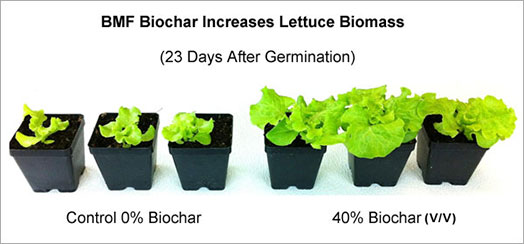
Once biomass has been grown and harvested, it can serve various purposes. The significant opportunity lies in its conversion into biochar—a stable form of carbon produced through pyrolysis, which is the thermal decomposition of organic material in the absence of oxygen. Biochar can be applied to soil, where it remains for thousands of years, effectively locking away carbon and improving soil health.
Another method involves the use of biomass in energy generation. By converting biomass into bioenergy, we can harness its potential while retaining carbon within the system. This conversion process—including combustion and anaerobic digestion—can generate renewable energy, which can be redirected back into the grid or utilized to power local communities. The trick lies in developing technologies that can efficiently convert biomass into energy while minimizing carbon emissions during the process.
3. Environmental and Economic Benefits
The ramifications of adopting BiCRS are substantial. Environmentally, it presents a win-win situation. The reduction of CO2 levels in the atmosphere can temper global warming and mitigate extreme weather events. Moreover, cultivating biomass can lead to improved land use management and greater biodiversity, as diverse plant species can be integrated into land management practices.
From an economic perspective, the biomass sector has the potential to bolster rural economies. The cultivation, processing, and distribution of biomass can create job opportunities while reducing dependence on fossil fuels. It opens avenues for innovation in sustainable agriculture technologies and bioenergy markets, ultimately leading to energy security and resilience in the face of climate uncertainty.
4. Challenges to Overcome
Despite its promise, the path to successful implementation of Biomass Carbon Removal and Storage is not without its challenges. One significant hurdle is the competition for land use; dedicating land for biomass cultivation must be balanced with food production and conservation needs. Sustainable practices must be prioritized to ensure that biomass production does not lead to deforestation or habitat loss.
Furthermore, the carbon footprint of harvesting, transporting, and processing biomass must be mitigated. Life-cycle analyses are essential to evaluate the net carbon benefits of biomass utilization and to ensure that these processes do not negate the advantages of carbon removal. Investments in advanced technologies and infrastructure will be crucial to streamline operations and reduce emissions associated with biomass processing.
5. The Role of Policy and Public Engagement
The successful deployment of BiCRS hinges not only on technological advances but also on supportive policy frameworks and public involvement. Governments must recognize the potential of biomass as a carbon management tool and establish regulations that encourage sustainable biomass practices. Incentives for farmers, landowners, and businesses engaging in biomass production can accelerate its adoption and integration into climate strategies.
Public awareness also plays a vital role in the acceptance and implementation of biomass initiatives. Community engagement initiatives can educate citizens about the benefits of biomass carbon removal, fostering a sense of accountability and participation in sustainability efforts. Collaborative projects combining agricultural stakeholders, scientists, and policymakers can lead to innovative solutions tailored to specific regional challenges.
6. The Future of Biomass Carbon Removal and Storage
As researchers delve deeper into the feasibility of Biomass Carbon Removal and Storage, the future looks promising but requires an ambitious vision. Integrating biogenic carbon management into global climate policies will be imperative for achieving net-zero targets. As we shift our perspectives on how we use and value carbon, embracing biomass as a renewable resource can significantly alter our approach to decarbonizing the economy.
Ultimately, Biomass Carbon Removal and Storage offers a compelling narrative of resilience in the battle against climate change. By innovating traditional agricultural practices and reimagining our energy landscape, we can unlock a future where carbon is not merely an environmental adversary but a resource we harness for a sustainable tomorrow. The challenge lies in our willingness to adapt, invest, and educate ourselves on these transformative possibilities.