In recent years, the increasingly vocal environmental movement has spotlighted an intriguing yet often overlooked resource: woody biomass waste. This organic material, typically generated from forest thinning, agricultural operations, or landscaping, possesses a hidden treasure trove of benefits when transformed into biochar. The process of building hand-made biochar piles from this waste is not only an eco-friendly practice but also a budding area of research and experimentation, focusing on sustainability in land management and restoration. Here is an extensive guide on how to construct these beneficial biochar piles, showcasing both the process itself and the myriad reasons behind their cultivation.
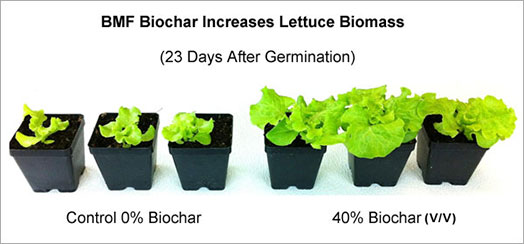
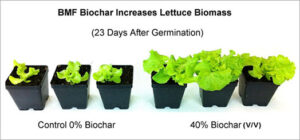
Before diving into the ‘how’, it is pertinent to understand the ‘why’ behind the allure of biochar. Biochar is produced through pyrolysis, a thermal decomposition process in low-oxygen conditions that locks carbon into a stable form. This factor makes biochar a promising carbon sequestration strategy, helping to mitigate climate change. Furthermore, biochar enhances soil health by improving water retention, increasing nutrient availability, and fostering beneficial microbial activity. These qualities make biochar an invaluable component in fostering resilient ecosystems, stimulating curiosity and excitement within the realms of agriculture, horticulture, and permaculture.
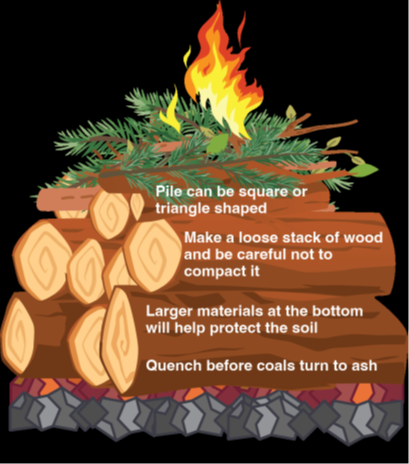
To embark on the journey of creating hand-crafted biochar piles, first gather your materials. Woody biomass waste ranging from small branches and twigs to larger trunks is ideal for this endeavor. Aim for a variety of sizes, as this will enhance airflow during the pyrolysis process and ultimately contribute to more effective carbonization. Clear the area where you plan to create your biochar pile, removing any debris that might hinder airflow.
Next, construct a conducive environment for building your biochar pile. Piles should ideally be built in a semi-open area, where wind will circulate freely, providing the necessary oxygen for combustion. It is beneficial to slightly elevate the pile off the ground using stones or logs, allowing air to flow freely underneath. This airflow is critical; without an ample oxygen supply, your pile may smolder rather than combust, leading to suboptimal biochar production.
Once your site is prepared and materials gathered, it’s time to assemble the pile. Begin with a base layer of larger branches, creating a foundation that supports ample airflow. Layering successes follows: alternate between larger logs and smaller twigs. Each layer should be packed tightly but not so densely as to suffocate airflow. As you build upward, gradually decrease the size of the materials. Perhaps consider incorporating dried leaves or other dry plant materials between the woody components to promote ignition.
After constructing your pile, you’ll need to ignite it. Start with small kindling, such as dry twigs or leaves, strategically placed within the pile. Lighting and maintaining the fire can be an exercise in patience. Regularly check and manage the flames, adding materials as necessary to maintain a balanced burn. The goal is to achieve an optimal pyrolysis rate where the fire burns hot while consuming the carbon-rich biomass. A roaring fire will be your best ally, transforming your stack of organic waste into a treasure trove of nutrient-rich biochar.
Throughout this process, it is essential to contemplate the myriad ecological relationships and sensory experiences associated with burning woody biomass. The crackling of the fire can evoke a sense of ancient traditions while the fragrant aroma of smoke wafts through the air, enveloping the senses. Each pile created is a focal point of transformation, a tangible manifestation of how human intervention can harmonize with natural processes.
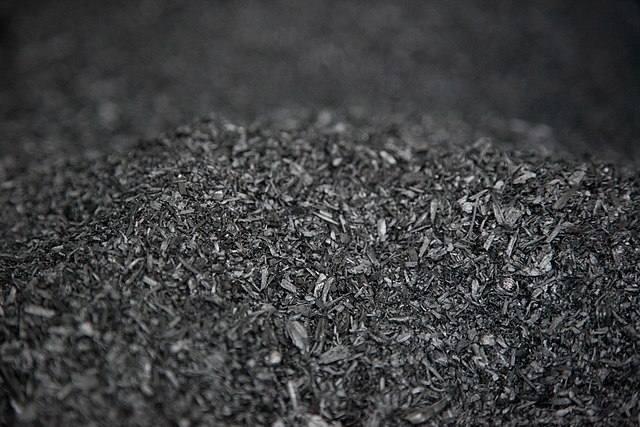
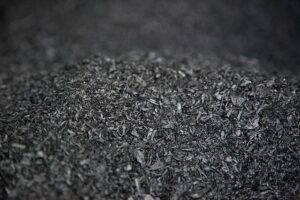
As the fire gradually subsides and a layer of ash forms atop the now carbonized material, attention should turn to extinguishing the pile effectively. You can accomplish this by dousing it with water, covering it with soil, or simply allowing it to smolder out naturally. The end product—a dark, crumbly substance—will likely inspire awe, reminiscent of the fertile soils favored by many ancient cultures.
In understanding the broader implications of utilizing woody biomass waste to create biochar, one observes a symbiotic relationship with nature. This practice reduces reliance on synthetic fertilizers, formalizes waste management practices, and actively sequesters carbon, thus addressing vital ecological concerns. The allure of creating hand-made biochar piles thus lies not only in the practicality of improving soil but also in the deeper implications of working harmoniously with local ecosystems.
In summary, the process of building hand-made biochar piles from woody biomass waste is an enriching endeavor that transcends mere soil enhancement. It forms a network of interactions bridging practical land management and philosophical musings on sustainability. As communities and individuals increasingly advocate for holistic environmental practices, engaging with such techniques may ignite curiosity and provoke discussions on deeper ecological meanings and responsibilities. Ultimately, this practice offers an opportunity to explore resourcefulness while fostering a connection to the environment, inviting everyone to partake in a transformative journey toward a greener future.