The application of biochar has inundated environmental discussions, often heralded as a panacea for soil enhancement and carbon sequestration. However, beneath the surface lies a plethora of concerns regarding its negative environmental impacts. Researchers around the globe have been vocal about the complexities surrounding biochar, revealing that its production and use are not without significant ecological implications.
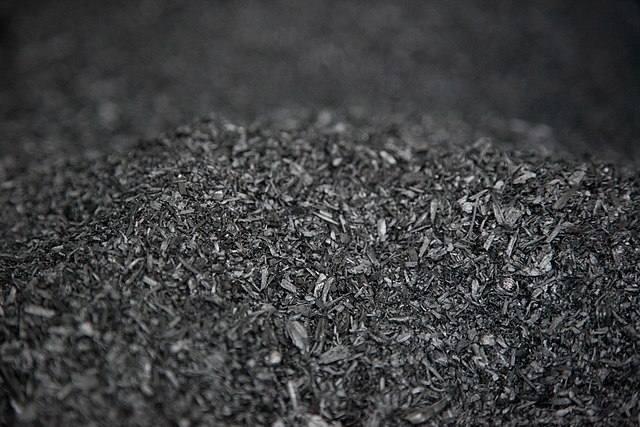
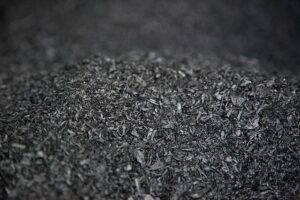
Biochar, essentially charcoal created through pyrolysis, is envisioned as a way to sequester carbon while simultaneously improving soil fertility. Despite its promising traits, the grim reality is that it can contribute to various environmental dilemmas that warrant serious consideration.
1. Deforestation Risks
One of the most cataclysmic ramifications of biochar production arises from its potential to exacerbate deforestation rates. The raw materials for biochar typically require feedstock such as wood, agricultural residues, or biomass. As the demand for biochar surges, so does the pressure to harvest more forests and clear land for biomass production. This transition may lead to habitat loss, diminished biodiversity, and the further aggravation of climate change. Such deforestation is often insidious and can displace indigenous populations, undermining local livelihoods and eradicating culturally significant ecosystems.
2. Soil Contamination
Another alarming concern is the potential for soil contamination. The process of creating biochar can vary significantly, with some methods utilizing waste materials rich in heavy metals or toxic compounds. If these contaminants are present in the biomass feedstock, they can accumulate in the resulting biochar. Consequently, when applied to agricultural soils, these harmful substances can leach into groundwater or bioaccumulate in the food chain, posing a risk to both human health and ecosystem integrity.
3. Carbon Debt
The premise of carbon neutrality associated with biochar is fraught with complexities. The concept of ‘carbon debt’ emerges when considering the carbon emissions generated during the production of biochar, particularly if fossil fuels are employed for pyrolysis. In essence, the carbon sequestered by the biochar must outweigh the carbon released during its production. Should this not occur, the biochar may inadvertently contribute to climate change rather than combat it. Researchers argue that focusing solely on carbon sequestration without considering the entirety of the carbon lifecycle can lead to misguided policies and practices.
4. Dependency on External Inputs
Another detrimental impact arises when agricultural systems become overly reliant on biochar as a soil amendment. This reliance can lead to neglect in sustainable practices such as crop rotation and organic fertilization. Over time, soil health may decline, as the essential microbial ecosystems are compromised. This dependency not only jeopardizes the soil’s vitality but may also hinder long-term agricultural productivity. The over-application of biochar, driven by the misconceptions of its benefits, can lead to nutrient imbalances and unintended consequences in crop health.
5. Greenhouse Gas Emissions
While biochar is often promoted for its ability to sequester carbon, the reality is more nuanced. Various studies have revealed that certain conditions during its application can lead to the release of more potent greenhouse gases, such as nitrous oxide. This phenomenon significantly diminishes the purported climatic benefits of biochar and highlights the intricate relationship between soil amendments and greenhouse gas emissions. Moreover, the actual carbon sequestration potential of biochar can vary, depending heavily on the feedstock used and the environmental conditions present during its application.
6. Water Quality Degradation
The application of biochar can also pose risks to water quality. Contaminants, as previously mentioned, can leach from the biochar into surrounding water systems. This leaching can lead to increased nutrient runoff and contribute to the phenomenon known as eutrophication in freshwater bodies. Eutrophication drastically alters aquatic ecosystems, creating dead zones and adversely affecting fish populations and other aquatic organisms. Thus, the dose and timing of biochar application become critical factors in determining its environmental footprint.
7. Impact on Indigenous Practices and Communities
Most importantly, the conversation surrounding biochar cannot eschew the socio-cultural ramifications it imposes. Communities reliant on traditional agricultural practices may see disruptions with the introduction of biochar dependence. Investment in biochar technology often favors commercial enterprises over local knowledge, undermining Indigenous practices that have sustained communities for generations. The commodification of biochar can displace local traditions, leading to a loss of cultural heritage and autonomy.
Conclusion
As the narrative around biochar continues to evolve, it is critical to unpack its multifaceted environmental impacts. While the allure of enhanced soil fertility and carbon sequestration cannot be dismissed, the counterproductive consequences demand rigorous scrutiny. From the specter of deforestation and soil contamination to carbon debt and greenhouse gas emissions, the challenges associated with biochar underscore the need for a balanced approach that incorporates ecological, social, and economic perspectives. As researchers illuminate these vital concerns, it becomes increasingly clear that while biochar may possess transformative potential, its application must be meticulously examined and strategized to prevent adverse environmental repercussions and safeguard the planet’s future.