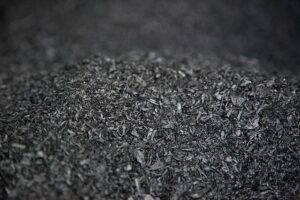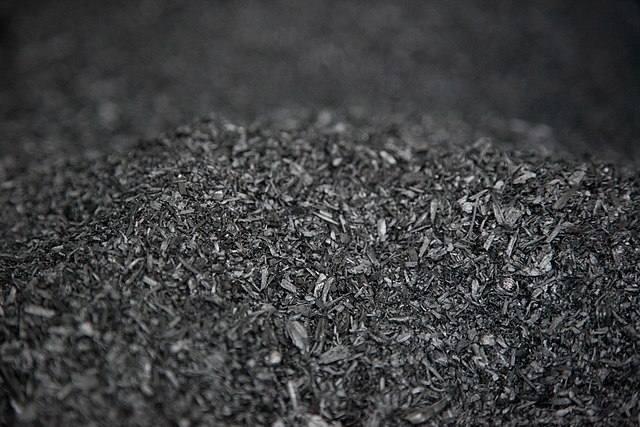
In the continuous quest for sustainable agricultural practices, biochar has emerged as a formidable contender, captivating the attention of researchers, agriculturalists, and environmentalists alike. A product of pyrolysis, biochar is a carbon-rich material produced through the thermal decomposition of organic matter in a low-oxygen environment. Its role in enhancing soil fertility has opened new avenues for crop yield optimization, particularly in the context of varying fertilizer applications. This article delves into the effects of biochar on crop yields, comparing scenarios with and without fertilizer to unlock the potential that biochar presents in the realm of agriculture.
The Promise of Biochar in Agriculture
Historically regarded as an ancient agricultural practice, biochar usage has resurfaced as a contemporary panacea for modern agricultural challenges. It is not merely a soil amendment; it is a multifunctional agent that enhances soil properties, such as water retention, nutrient storage, and microbial activity. As the global agricultural community faces the dual pressure of maintaining food security and addressing climate change, biochar’s rich nutrient profile and carbon stabilization capabilities spark curiosity and spark hope for sustainable farming practices.
Understanding Crop Yields: The Role of Fertilizers
Chemical fertilizers have long been the backbone of conventional agriculture, robustly augmenting crop yields. However, reliance on synthetic inputs presents challenges, including soil degradation and ecosystem disruption. The juxtaposition of biochar with these fertilizers poses an intriguing hypothesis: could biochar complement or even supersede traditional fertilization strategies? Such a question compels researchers to engage in a meta-analysis of existing data, extracting insights into the holistic impacts of biochar amidst fertilizer use.
Enhancing Soil Properties: Mechanisms of Action
To comprehend the effects of biochar on crop yields, an appreciation of its biochemical properties is essential. Biochar enhances soil structure, promoting aeration and improving the aggregation of soil particles. This facilitates root proliferation, thereby augmenting nutrient uptake and enhancing plant growth. Furthermore, biochar exhibits a remarkable capacity for cation exchange, allowing it to retain essential nutrients that are critical for plant development. Such retention minimizes nutrient leaching, particularly in sandy soils that are prone to erosion, thus sustaining higher yields long after the initial application of fertilizers.
Yield Performance: Biochar with Fertilizer
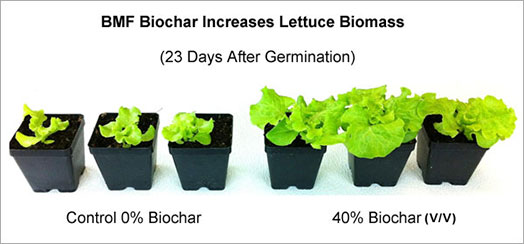
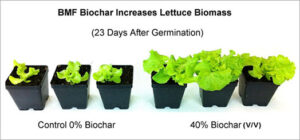
A plethora of studies illuminate the synergistic effects of biochar applied alongside fertilizers. The integration of biochar into fertilization regimes often leads to enhanced nutrient use efficiency. When fertilizers are coupled with biochar, crops generally display remarkable increases in biomass and yield compared to traditional fertilizer applications alone. The mechanisms at play here include improved soil moisture retention and enhanced microbial activity, which collectively contribute to nutrient solubilization and uptake.
For instance, specific studies have illustrated that in crops like maize and wheat, the combination of biochar with nitrogen-based fertilizers can amplify yield by as much as 30% compared to unfertilized controls. This enhanced productivity is particularly compelling in regions where soil fertility is compromised and traditional agricultural practices are untenable. The positive feedback loop created between biochar and fertilizers could very well redefine soil management strategies, creating a more sustainable paradigm.
Yield Performance: Biochar Without Fertilizer
While the combination of biochar and fertilizer certainly paints an optimistic picture, the effects of biochar stand tall even in the absence of additional fertilization. Studies have demonstrated that biochar alone can positively influence crop yields, particularly in impoverished soils. This is pivotal for low-input farming systems where fertilizers are financially or environmentally burdensome.
Biochar’s ability to improve soil structure and fertility can lead to crop yield increases ranging between 10% to 50%, depending on factors such as soil type, crop species, and environmental conditions. This is especially relevant in degraded soils characterized by low organic matter content. The application of biochar can not only restore soil vitality but can also empower farmers to cultivate crops sustainably without heavy reliance on chemical fertilizers.
Addressing Concerns and Limitations
There is also the potential for high initial costs associated with biochar production and application, which could deter its adoption among smallholder farmers. A comprehensive understanding of local contexts and specific crop needs becomes vital to optimize the application of biochar and ensure financial viability. Bridging the gap between scientific research and practical application is essential for unlocking biochar’s full potential in agriculture.
Future Perspectives: Cultivating Curiosity
In conclusion, the intersection of biochar and crop yields presents a dual promise: to boost agricultural productivity while promoting environmental sustainability. With growing evidence supporting its efficacy both with and without fertilizers, biochar could emerge as a cornerstone in the blueprint for resilient and sustainable farming systems. This journey invites ongoing curiosity and ignites hope for a future where agricultural practices harmonize with the natural world.