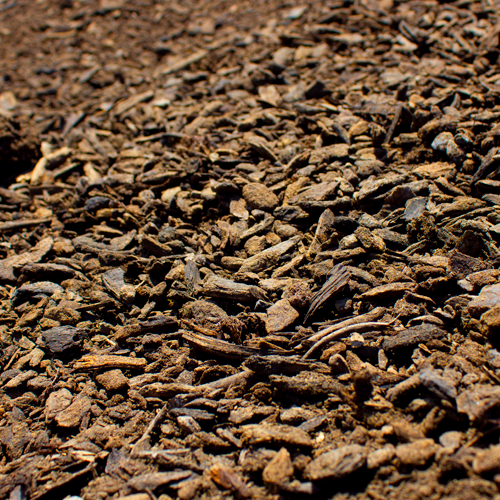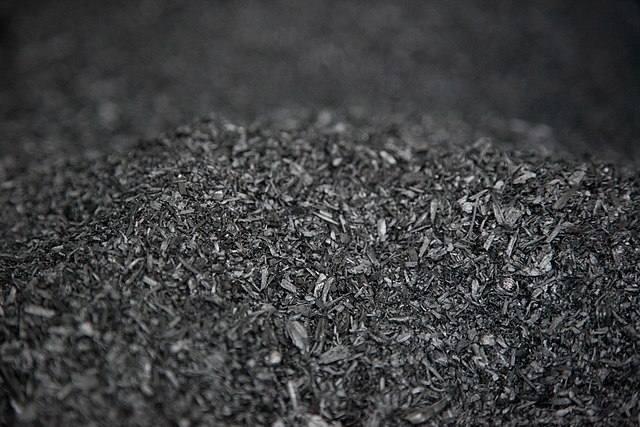
In the realm of sustainable agriculture, the enigmatic allure of biochar emerges as a beacon of hope. Imagine the soil as a living canvas, where the fertility of the earth conjoins with the intricate web of microbial life. Biochar, a fine-grained charcoal produced from biomass, is not merely an additive; it is a transformative agent that nurtures soil health and microbial diversity. As we delve into the extensive benefits of biochar, it becomes evident that this ancient practice offers a contemporary solution to the challenges of modern agriculture.
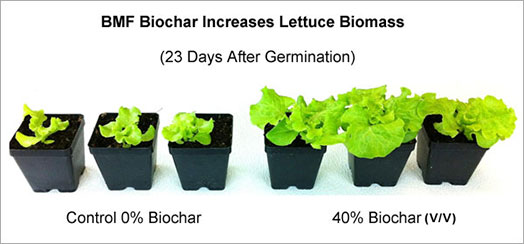
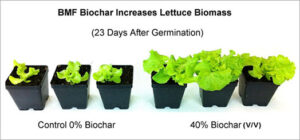
Comprehensively, biochar exhibits a myriad of qualities that enhance soil fertility. When introduced into the soil matrix, it acts akin to a sponge, retaining moisture and essential nutrients. This capacity for water retention is paramount, particularly in arid regions where irrigation facilities are constrained. By preserving moisture, biochar optimizes the health of plants by ensuring that they have a steady supply of water, thus precipitating greater yield potential.
Moreover, biochar’s porous structure creates a veritable haven for microorganisms. Within these microscopic caverns flourishes a thriving community of beneficial bacteria and fungi, which play pivotal roles in nutrient cycling and soil structure maintenance. This reservoir of microbial diversity is not just an ecological benefit; it is a metabolic powerhouse, stimulating the intrinsic health of the soil ecosystem. The synergistic relationship between biochar and soil microbes engenders resilience against pathogens and pests, thereby reducing the reliance on chemical fertilizers and pesticides.
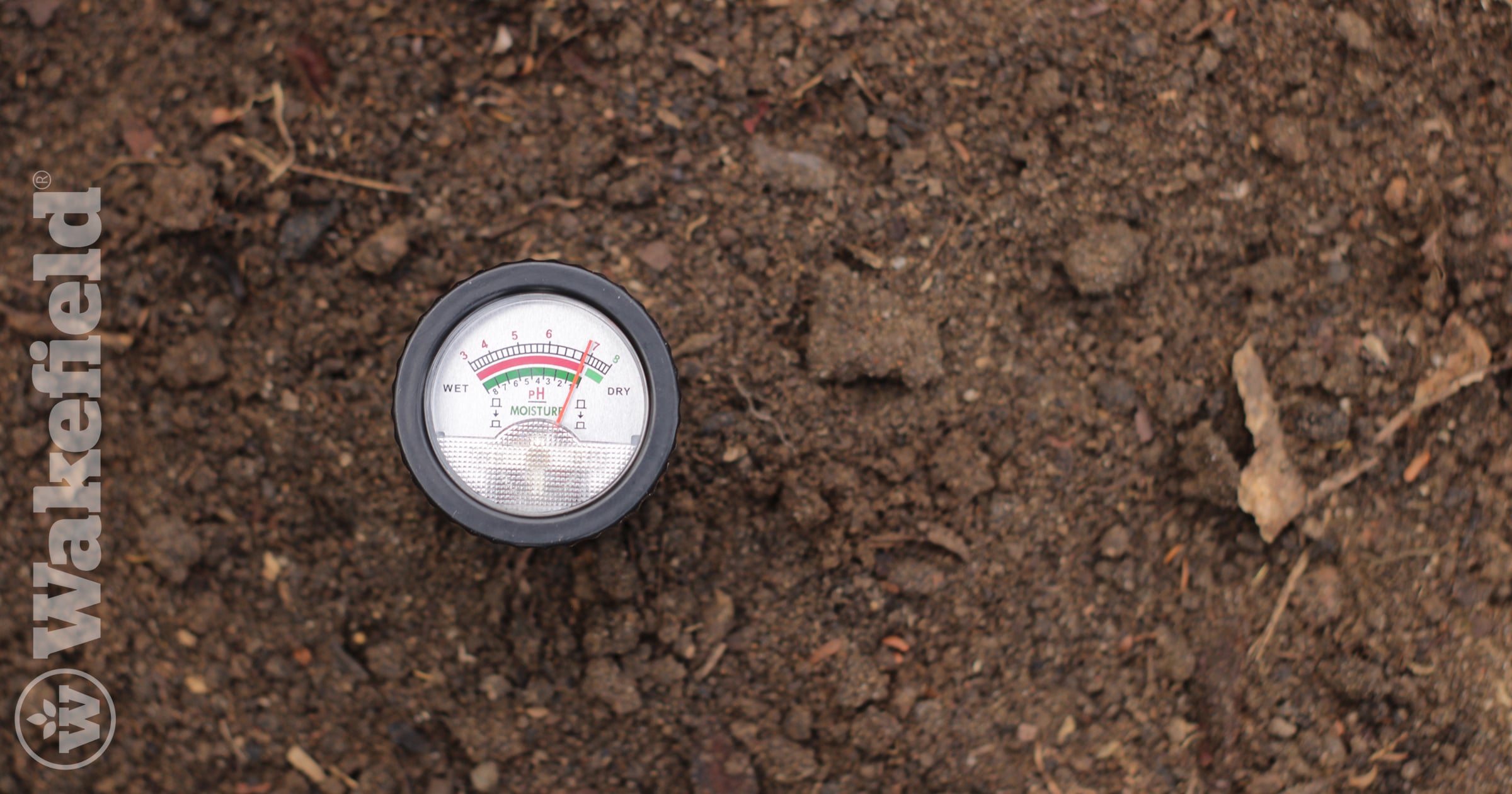
Furthermore, the incorporation of biochar can mitigate the soil’s acidity, fostering an environment conducive to the uptake of nutrients by plants. Many soils, particularly in tropical regions, suffer from high levels of acidity which can stymie agricultural productivity. By increasing the pH of acidic soils, biochar optimizes nutrient availability and promotes a healthier root system. This amelioration paves the way for a more balanced ecosystem wherein plants can thrive, thus enhancing food security in vulnerable regions of the world.
But let’s not overlook the profound impact of biochar on carbon sequestration. Each grain of biochar is akin to a time capsule, sequestering carbon for potentially thousands of years. As we confront the existential threat of climate change, the role of biochar in reducing atmospheric carbon dioxide concentrations becomes increasingly imperative. By transforming biomass waste into a stable form of carbon, biochar embodies the circular economy—where waste is valorized, thus contributing to a sustainable future.
The application of biochar in agricultural practices extends beyond the borders of soil enhancement; it is also a catalyst for ecological restoration. In degraded or contaminated soils, biochar has shown promising results in immobilizing heavy metals and organic pollutants. This quality allows for the reclamation of lands previously thought intractable, reinstating them as fertile havens for agricultural productivity. The landscapes, much like phoenixes rising from ashes, can once again support plant life and offer food security for surrounding communities.
Another captivating dimension of biochar is its role in bioremediation. It serves as a substrate for microorganisms that can degrade pollutants, thereby rendering ecosystems more resilient. These microorganisms, when partnered with biochar, operate with enhanced efficacy—accelerating the breakdown of harmful substances. The unison of biochar and microbial action can transform contaminated sites into regenerative landscapes, fostering biodiversity and ecological balance.
The appeal of biochar is not merely its scientific merits; it embodies a narrative of hope and resilience. It invites farmers and agriculturalists into the fold of regenerative practices that champion both productivity and sustainability. This duality captivates the imagination—it represents the marriage of tradition and innovation. The ancient practice of using charcoal as fertilizer, rediscovered and refined through contemporary science, resonates with the age-old wisdom of nature’s cycles.
As biochar continues to journey into the forefront of agricultural discourse, its potential applications are being extensively researched. Studies reveal an impressive range of benefits, not only for crop productivity but also for the enhancement of microbial diversity. These explorations expose a treasure trove of insights, advocating for further integration of biochar into farming systems. As scientists unravel the complexities of soil microbiomes, the role of biochar emerges as crucial in augmenting the health and vitality of these ecosystems.
To realize the full potential of biochar, however, we must adopt a holistic approach. The production methods, feedstock sources, and application rates all play critical roles in determining biochar’s efficacy. Optimizing these variables requires collaboration among farmers, researchers, and policymakers to develop tailored strategies that align with local environmental conditions and agricultural practices. Such unity will enable a comprehensive understanding of how best to leverage biochar to confront the pressing agricultural challenges that lie ahead.
In conclusion, biochar stands as a multifaceted ally in the quest for soil fertility and microbial diversity. Its unique physical, chemical, and biological properties galvanize soil health, offer solutions for ecological restoration, and mitigate climate change. By harnessing this astonishing material, we can weave together the threads of a sustainable agricultural tapestry—one that celebrates the intricate dance between soil fertility and the vibrant symphony of life that thrives within it. As we embrace the future of agriculture, biochar emerges not just as a commodity, but as a catalyst for transformation, a bridge connecting the past with an ecologically sound future.