As urbanization surges and natural resources dwindle, the demand for sustainable solutions grows ever more pressing. One particularly intriguing concept emerging in this context is biochar—a carbon-rich substance obtained through pyrolysis of organic materials. But what pet projects might we unleash if we fully embraced biochar in our circular bionutrient economy? Could it serve as a panacea for managing our waste while enriching soil and sequestering carbon? Yet, a pressing challenge looms: how do we integrate biochar into existing agricultural practices without disrupting the very systems we aim to improve?
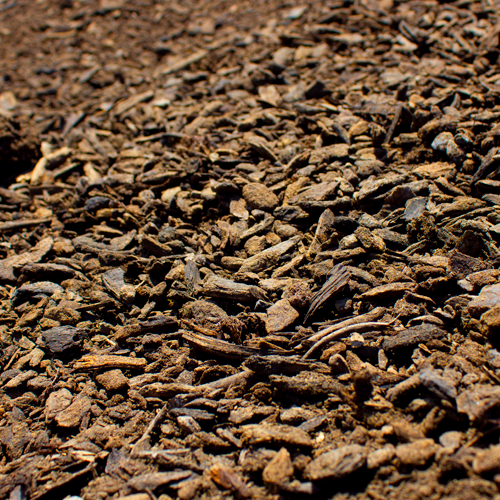
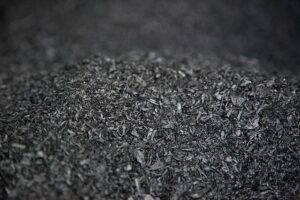
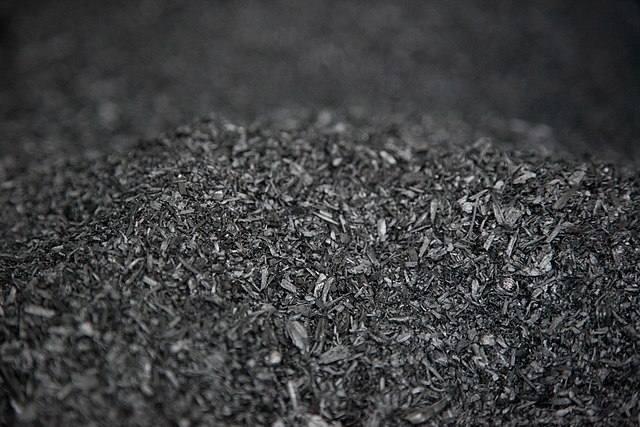
To unravel the potential of biochar within a circular bionutrient economy, we must first understand what this innovative material is made of and how it operates within ecosystem cycles. Biochar is produced by thermally decomposing biomass in an oxygen-limiting environment. This process transforms organic materials, such as agricultural residues, animal manures, or even municipal waste, into a stable form of carbon that can be used to enhance soil fertility. It mimics the ancient practice of terra preta, a dark, fertile soil found in the Amazon Basin, which has fostered agricultural productivity for centuries.
Yet, biochar is not merely a nostalgic nod to historical agricultural wisdom; it embodies an innovative solution to contemporary challenges. In essence, it closes the loop on waste by converting surplus organic materials into a highly beneficial resource, thus mitigating the environmental impacts associated with waste disposal.
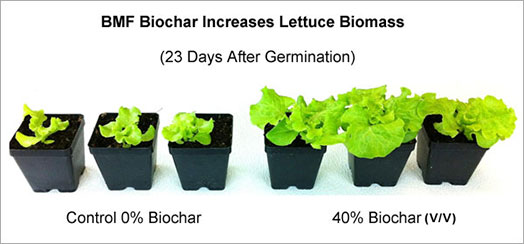
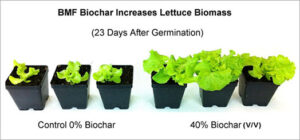
One of the standout benefits of incorporating biochar into agricultural systems is its ability to improve soil health. When applied to soil, biochar enhances nutrient retention, increases microbial activity, and improves soil structure. Its porous nature allows it to hold onto essential nutrients and water, effectively making them available for crops. It’s akin to providing plants with an efficient sponge, ensuring they have access to both moisture and essential nutrients in times of need.
This nutrient retention capability can be extraordinarily beneficial in regions susceptible to drought or nutrient-depleted soils. Imagine farmers in arid environments employing biochar as a crucial ally, sustainably boosting crop yields while concurrently reducing their dependence on chemical fertilizers. This aligns with the overarching goals of a circular bionutrient economy, where resources are utilized more efficiently and sustainably.
However, the perception of biochar as a miraculous solution may lead to complacency. A significant challenge arises in the form of scalability. While the benefits of biochar are well-documented, its widespread adoption requires unprecedented coordination among farmers, local governments, and industry stakeholders. Furthermore, not all biochar is created equal; the feedstock used and production methods can dramatically influence its quality and effectiveness. How do we ensure that the biochar utilized is not only effective but also produced sustainably?
The economic implications of biochar also warrant contemplation. In a circular economy, the reduction of waste translates into financial savings. Farmers can generate revenue by converting agricultural byproducts into biochar, tapping into new markets while reducing disposal costs. However, entering this new market requires investment in infrastructure and education. How might we ensure that smallholder farmers, particularly in less affluent regions, are equipped to participate in this eco-friendly venture?
Additionally, the environmental implications cannot be ignored. As biochar is lauded for its ability to sequester carbon, the long-term effects of widespread application in various ecosystems remain an area of ongoing research. The playfulness of using waste materials to foster sustainability is dulled by the intricacies of ecological balance—any new introductions must be meticulously assessed to determine their impact on local flora and fauna. Can we strike the right balance between innovative agricultural practices and unintended ecological consequences?
A compelling aspect of biochar is its role in carbon sequestration, a crucial element in combating climate change. By locking away carbon that would otherwise contribute to atmospheric CO2 levels, biochar helps to mitigate the greenhouse effect. This interplay reflects the very essence of a circular bionutrient economy—leveraging waste to create a system that not only sustains but rejuvenates our planet.
Moreover, biochar presents an opportunity for communities to rally around a shared purpose—transforming waste into a vital resource strengthens community bonds and highlights the potential for local economies. This circular approach engages individuals in stewardship, fostering a sense of pride and empowerment as they participate in sustainable practices. Yet, alongside this optimism, we must ask: how can we educate communities about biochar’s benefits and the role they play in advancing this movement?
Ultimately, integrating biochar into the circular bionutrient economy is about more than product innovation; it requires a fundamental shift in mindset—one that values waste as a resource rather than a burden. It challenges us to rethink conventional agricultural practices, encouraging a collaborative approach among stakeholders. As we stand at the precipice of this potential revolution, we must be willing to answer the call: how can we transcend current limitations and foster a truly circular economy that benefits both individuals and the planet?
In conclusion, biochar symbolizes more than just a novel agricultural amendment; it epitomizes the transformative potential of the circular bionutrient economy. With thoughtful implementation, community engagement, and robust research, we can harness its benefits while adeptly navigating the challenges that arise. The journey to a sustainable future is rarely straightforward, but as history has shown, the most significant advancements often emerge from creative problem-solving and steadfast dedication to innovation.