Land degradation is a pressing global issue, manifesting through deforestation, soil erosion, and nutrient depletion. This pervasive decline in land health significantly compromises agricultural productivity and threatens ecological balance. However, the innovative use of biochar—an ancient agricultural practice gaining renewed attention—holds promise for revitalizing degraded soils. This article delves into the multifaceted role of biochar in restoring soil health, offering insights that may shift your perspective on land management.
Understanding Biochar
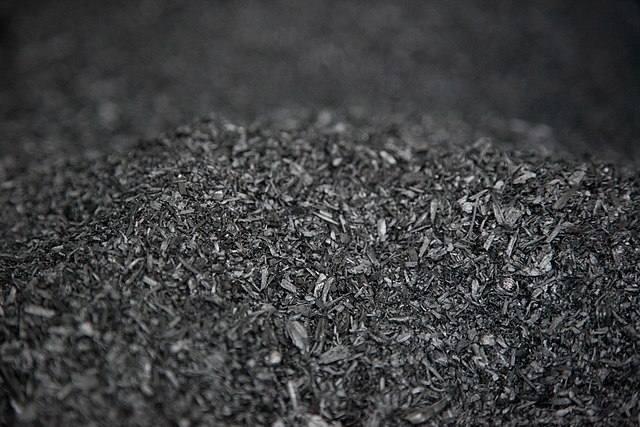
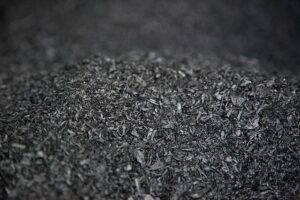
Biochar is a stable, carbon-rich form of charcoal produced from organic materials through pyrolysis, a thermochemical process that occurs in the absence of oxygen. The result is a porous, highly adsorptive substance that can endure in soil for centuries. By transforming agricultural waste into a soil amendment, biochar presents a dual benefit: it reduces waste while enhancing soil fertility. As a carbon sequestration tool, biochar holds potential in mitigating climate change impacts. In examining biochar’s regenerative properties, we can appreciate its role in combating the dire consequences of land degradation.
The Mechanisms of Soil Restoration
How does biochar achieve its profound effects on soil health? The mechanisms are intricate yet fascinating. First and foremost, biochar improves soil structure. Its porous nature improves aeration and drainage, fostering an environment conducive to root penetration and microbial activity. A well-structured soil is less prone to erosion and compaction, characteristics that often plague degraded lands.
Moreover, biochar enhances water retention. In regions where drought has become increasingly common, biochar’s ability to hold moisture can be nothing short of transformative. This property is particularly significant in sandy soils, which typically suffer from low water-holding capacity. Thus, biochar can be a lifeline in areas where water scarcity threatens agricultural viability.
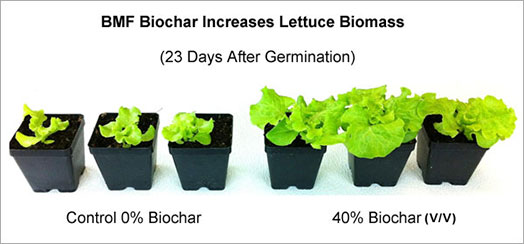
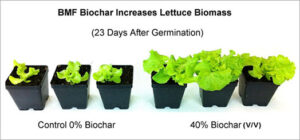
The incorporation of biochar into soils also leads to increased nutrient availability. Its high surface area allows biochar to adsorb and retain essential nutrients such as nitrogen, phosphorus, and potassium. Consequently, biochar can serve as a slow-release nutrient source, enhancing plant growth and reducing the need for synthetic fertilizers. This not only lowers production costs for farmers but also mitigates the environmental impact associated with chemical fertilizer runoff, which can lead to waterway pollution and ecosystem disruption.
Promoting Soil Biodiversity
Biochar’s benefits extend beyond physical properties and nutrient retention—it significantly influences soil biodiversity. Healthy soils teem with microbial life, which is essential for nutrient cycling, organic matter decomposition, and overall soil vitality. The introduction of biochar creates a hospitable habitat for beneficial microorganisms. Its porous structure offers protection for microbes against predators and provides a rich substrate for microbial colonization.
Research indicates that biochar can boost populations of various soil organisms, including bacteria, fungi, and earthworms. These organisms play crucial roles in enhancing soil fertility through symbiotic relationships with plant roots. For instance, mycorrhizal fungi, which form associations with plant roots, become more abundant in biochar-amended soils, enhancing plant nutrient uptake. As a result, the holistic improvement in soil health leads to more resilient ecosystems capable of better withstanding environmental stresses.
Climate Change Mitigation
Another remarkable aspect of biochar is its role in climate change mitigation. By sequestering carbon, biochar reduces atmospheric CO2 levels, thus curbing global warming. When organic materials decompose naturally, they tend to release carbon back into the atmosphere as CO2. Conversely, when these materials are converted into biochar, carbon is locked in a stable form, preventing its release for extended periods. This characteristic is particularly salient in the context of sustainable land management strategies aimed at diminishing carbon footprints.
Furthermore, the production of biochar can offset greenhouse gas emissions associated with traditional agricultural practices. By reducing the need for chemical fertilizers, which are energy-intensive to produce, and promoting healthier soils that yield greater crop outputs, biochar embodies a model of sustainable agriculture that aligns with climate change objectives.
Challenges and Considerations
Moreover, public awareness and acceptance of biochar technology remain critical barriers. Misconceptions surrounding biochar production methods and its environmental implications must be addressed through education and outreach initiatives. Engaging farmers, policymakers, and communities in understanding biochar’s benefits can facilitate more widespread adoption and foster a collaborative approach to sustainable land management.
The Future of Biochar in Land Restoration