As the world grapples with the escalating challenges of climate change, innovative solutions are emerging that promise to bolster our environmental efforts. One such solution is biochar, a carbon-rich product obtained from the thermal decomposition of organic material through pyrolysis. This fascinating material not only offers a distinctive strategy for carbon sequestration but also holds the potential to enhance soil health and contribute to sustainable agriculture. This article delves into the multifaceted role of biochar in climate change mitigation, its various advantages, potential challenges, and realistic outcomes for the future.
Understanding Biochar: Composition and Production
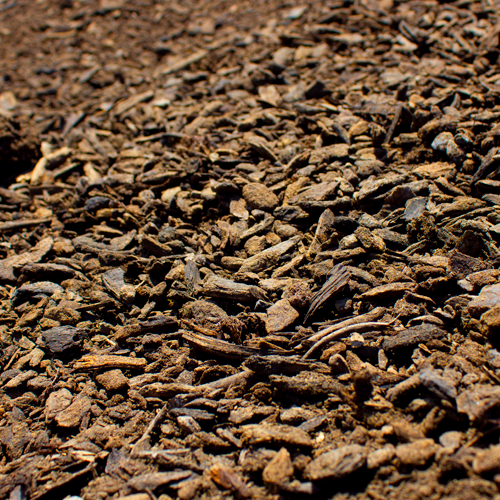
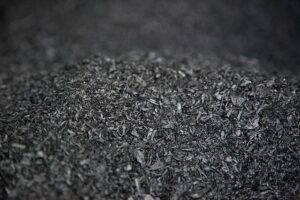
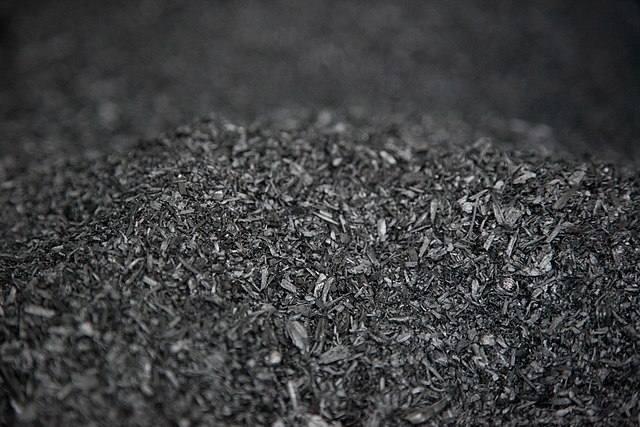
Biochar is produced by heating organic matter—such as plant residue, wood chips, or agricultural waste—in the absence of oxygen. This process, known as pyrolysis, converts biomass into a stable form of carbon that can endure in soil for centuries. Unlike traditional organic matter, which decays and releases carbon dioxide back into the atmosphere, biochar provides a long-term carbon storage solution. The production of biochar typically involves temperatures ranging from 300°C to 700°C, and the choice of feedstock can influence its final physical and chemical properties.
The Role of Biochar in Carbon Sequestration
At the forefront of biochar’s contributions to climate change mitigation is its ability to sequester carbon effectively. When applied to soil, biochar can significantly enhance the storage of carbon, thereby reducing atmospheric CO2 levels. Research suggests that biochar can persist in soils for hundreds to thousands of years, making it one of the more durable carbon sequestration methods available. By integrating biochar into agricultural practices, farmers may transform their fields into carbon sinks, actively participating in the fight against climate change.
A Multifunctional Soil Amendment
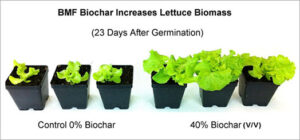
Beyond its primary function as a carbon sink, biochar serves numerous pivotal roles as a soil amendment. Its porous structure improves aeration and moisture retention, fostering enhanced root growth and nutrient uptake among plants. The high surface area of biochar also increases the soil’s cation exchange capacity, which is crucial for retaining essential nutrients such as nitrogen, phosphorous, and potassium. Additionally, biochar has been shown to suppress certain soil-borne pathogens and pests, thereby reducing the need for chemical fertilizers and pesticides. In essence, biochar has the potential to revolutionize agricultural sustainability and resilience.
Enhancing Crop Yields and Soil Fertility
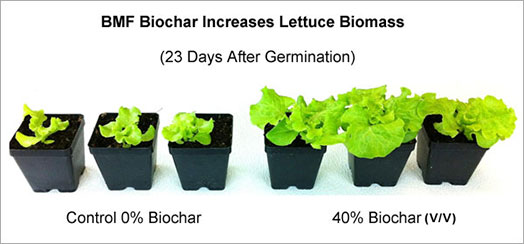
Farmers around the globe stand to gain significantly from the application of biochar in their fields. Studies have indicated that incorporating biochar into soil can improve crop yields, particularly in nutrient-poor or degraded soils. For instance, biochar has been found to increase the available water content in sandy soils while improving the nutrient retention in clay soils. This versatility allows farmers to tailor biochar applications based on specific empirical needs, fostering a more resilient and productive agricultural system.
Additional Environmental Benefits
In addition to enhancing soil fertility and carbon sequestration, biochar contributes to several other ecological benefits.
- Reducing Greenhouse Gas Emissions: Biochar amendments can diminish the emission of nitrous oxide, a potent greenhouse gas, from soils. This reduction further contributes to diminishing the anthropogenic footprint.
- Mitigating Soil Erosion: The increased soil structure and stability provided by biochar can help reduce erosion caused by wind and water, preserving topsoil and promoting long-term agricultural productivity.
- Waste Management: Utilizing agricultural waste and forestry residues for biochar production provides an effective means for managing byproducts that would otherwise contribute to landfill waste.
Challenges in Biochar Implementation
Another consideration is the necessity for ongoing research to ascertain the long-term ecological impacts of biochar across diverse environments. Optimal application rates, soil types, and cultivation practices need thorough investigation to develop best management practices that maximize biochar’s beneficial effects while minimizing potential drawbacks.
Policy and Economic Implications
The implementation of biochar as a tool for climate change mitigation necessitates concerted efforts from policymakers and stakeholders across the agricultural sector. Incentives for biochar production, research funding, and complementary practices can foster a culture of sustainability within agriculture. Furthermore, carbon credit schemes that reward farmers for reducing greenhouse gas emissions through biochar applications can genuinely enhance the economic viability of this climate-positive practice.
Conclusion: A Future of Possibilities
As the climate crisis continues to unfold, the promise of biochar in climate change mitigation cannot be overlooked. Its multifarious benefits, encompassing carbon sequestration, soil improvement, and waste management, establish it as a critical player in the quest for sustainability. Through continued research, innovation, and equitable policy frameworks, biochar has the potential to not only combat climate change but also rejuvenate agricultural systems, paving the way for a more resilient and sustainable global food network. The journey toward implementing biochar on a wider scale may be fraught with challenges, but the rewards—a healthier planet and a productive agricultural landscape—are well worth the effort.