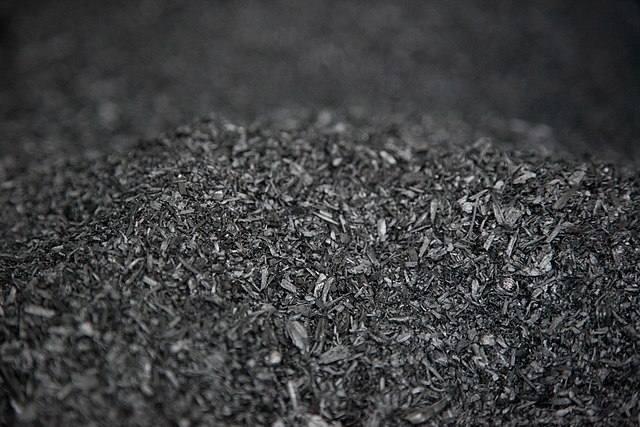
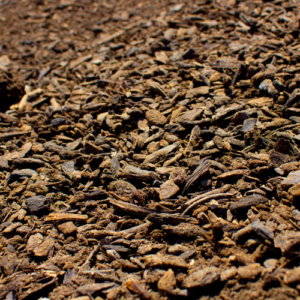
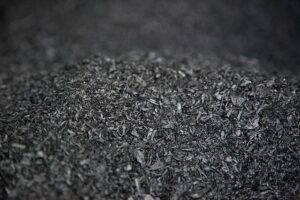
Biochar represents a paradigmatic shift in our understanding of carbon management and soil enhancement. This carbon-rich material is produced through a thermochemical process known as pyrolysis. In the realm of environmental science, biochar serves as a pivotal tool, especially when considering its application in sustainable agriculture and carbon sequestration. In this article, we will delve into the intricacies of fast pyrolysis, exploring its mechanics, benefits, and multifaceted applications, while also acknowledging the nuances associated with its production and use.
Understanding Fast Pyrolysis
Fast pyrolysis is a rapid thermal decomposition process that transforms biomass into biochar, bio-oil, and syngas in the absence of oxygen. The process generally operates at temperatures ranging from 400°C to 600°C and is characterized by a short residence time—typically less than two seconds—allowing for the efficient conversion of organic materials. This method contrasts with slow pyrolysis, where longer residence times yield higher biochar content and lower bio-oil yields.
During fast pyrolysis, the biomass is subjected to controlled heating, leading to the breakdown of complex organic molecules. As the lignocellulosic material decomposes, it produces a vapor that subsequently condenses into bio-oil while the solid remains form biochar. The significant aspect of fast pyrolysis is its capacity to maximize the production of bio-oil, which can be utilized as a renewable energy source or as a chemical feedstock.
The Process and Technology
The machinery employed for fast pyrolysis varies widely, featuring diverse reactor designs such as fluidized bed reactors, auger reactors, and ablative reactors. Each system has distinct operational parameters and efficiencies, making them suitable for specific feedstocks and desired end products. For instance, a fluidized bed reactor typically allows for better heat transfer and scalability, while an ablative reactor offers high yields of biochar.
Investment in pilot-scale plants and commercial facilities has increased dramatically, reinforcing the burgeoning interest in biochar technology. Innovative developments in automation and process optimization have further reduced production costs and enhanced overall efficiency. The advent of more sophisticated monitoring technologies has enabled precise control over the conditions during pyrolysis, ensuring optimal yields of biochar and associated products.
Benefits of Biochar
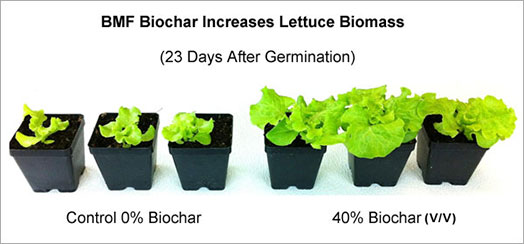
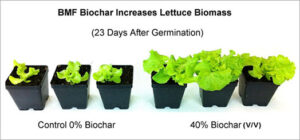
The deployment of biochar in soil amendment presents a myriad of benefits. One of the paramount advantages is its ability to improve soil fertility. Upon incorporation into agricultural soils, biochar enhances soil structure, increases water retention, and promotes nutrient availability. The porous nature of biochar not only provides an excellent habitat for soil microorganisms but also aids in the retention of essential nutrients, thereby reducing the need for chemical fertilizers.
Moreover, biochar serves as a potent carbon sequestration mechanism. Through its stable carbon structure, biochar resists decomposition and locks carbon in the soil for extended periods—often hundreds to thousands of years. As carbon dioxide is a greenhouse gas that profoundly contributes to climate change, the ability of biochar to mitigate its concentration in the atmosphere is invaluable. By promoting soil health while sequestering carbon, biochar presents a dual-pronged strategy to combat environmental degradation.
Applications Beyond Agriculture
Beyond its agricultural applications, biochar has garnered attention in various sectors. For instance, the use of biochar in water filtration systems has demonstrated significant promise. The porous characteristics of biochar enable it to adsorb contaminants, such as heavy metals and pathogens, making it an efficient and eco-friendly alternative for water treatment. Moreover, built environments can leverage biochar in construction materials, enhancing durability while reducing the carbon footprint of building practices.
In the realm of energy production, biochar can be utilized as a solid fuel or as a precursor for synthesizing renewable hydrocarbons. Additionally, the thermal properties of biochar lend themselves well to applications in thermochemical conversion processes, thus integrating biochar into broader energy portfolio strategies.
Challenges and Considerations
Furthermore, there exists the requirement for comprehensive research into the long-term impacts of biochar application on various soil types and ecosystems. As biochar interacts with soil biota, understanding these dynamics is crucial to optimize its benefits while mitigating any potential adverse effects.
Conclusion
In summation, biochar produced through fast pyrolysis is not merely a byproduct of biomass conversion but a transformative material with the potential to revolutionize carbon management and sustainable agricultural practices. The synthesis of biochar offers profound implications for enhancing soil fertility, sequestering carbon, and contributing to a circular economy. While challenges persist, the future of biochar remains bright, fueled by innovation and a growing recognition of its environmental significance. As the world grapples with climate challenges, the promotion of biochar could mark a turning point in our quest for sustainability.