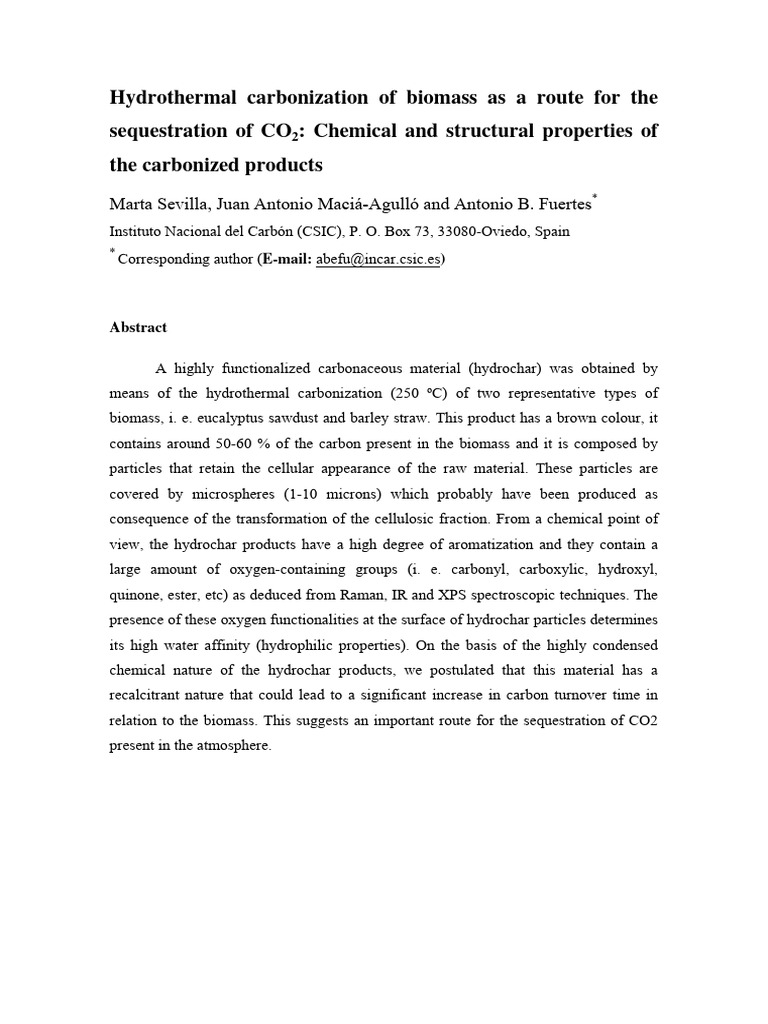
In the realm of sustainable technologies, biochar emerges as a compelling protagonist. As environmental concerns intensify—from soil degradation to climate change—biochar, particularly through the innovative process of hydrothermal carbonization (HTC), garners attention for its multifaceted benefits. This article delves into the intricate attributes, production processes, benefits, and applications of biochar derived from hydrothermal carbonization, elucidating why this substance has captured the imagination of scientists, agriculturists, and environmentalists alike.
Understanding Biochar: A Brief Overview
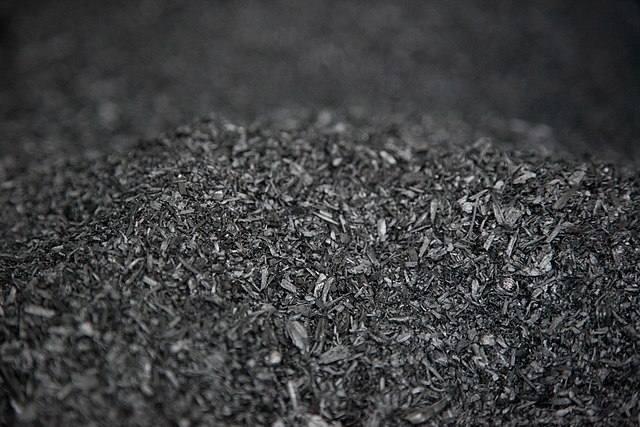
At its core, biochar is a carbon-rich material produced by pyrolyzing biomass—plant and crop residues—often at relatively low temperatures. It serves as an exceptional soil amendment, enhancing fertility, microbial activity, and carbon sequestration. Biochar’s potential extends beyond mere soil enhancement; it embodies a critical solution to mitigate greenhouse gas emissions whilst recycling organic waste. Hydrothermal carbonization, a relatively novel method, leverages the power of water in a high-temperature environment to produce biochar, presenting a more energy-efficient and cost-effective approach compared to traditional pyrolysis.
The Hydrothermal Carbonization Process Explained
The hydrothermal carbonization process operates under elevated temperatures (approximately 180-250°C) and pressures, applying water as a medium to facilitate the conversion of biomass into biochar. Unlike pyrolysis, which relies on heat alone, HTC employs a wet environment that allows for shorter reaction times and more diverse feedstock. During this transformative process, carbohydrates, lignin, and proteins within the biomass undergo complex chemical reactions, resulting in the formation of hydrous carbon—a precursor to biochar.
What sets HTC apart is its ability to work with wet biomass—such as food waste, municipal solid waste, and even certain agricultural residues—without requiring substantial pre-drying. This characteristic alone dramatically reduces the energy input typically demanded by traditional methods, thus appealing to resource-conscious producers. The resultant biochar from HTC is not only rich in carbon but also possesses unique functional properties, such as increased porosity and ion-exchange capacity.
Ecological Benefits: Combating Climate Change
Biochar produced through hydrothermal carbonization is a formidable tool in addressing climate change challenges. By sequestering carbon, biochar effectively removes it from the atmospheric cycle, binding it into the soil for extended periods—potentially hundreds to thousands of years. This action mitigates the greenhouse effect, contributing to a decrease in atmospheric CO2 levels. Furthermore, the use of biochar in agricultural practices can curtail nitrous oxide emissions, a potent greenhouse gas, thereby presenting a dual benefit: enhancing soil while lowering emissions.
Enhancing Soil Quality: A Closer Look
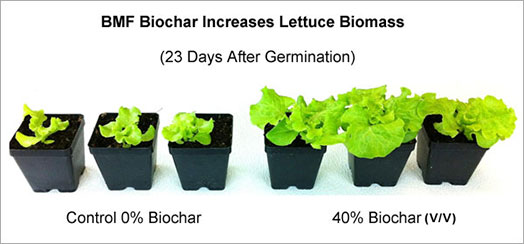
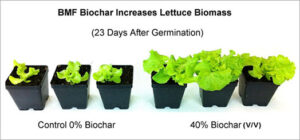
The application of biochar as a soil amendment prompts considerable improvements in soil health. First and foremost, its porous structure fosters an ideal habitat for beneficial microorganisms, promoting soil biodiversity. Enhanced microbial activity leads to improved nutrient cycling, making vital nutrients more readily available for plants. Subsequently, biochar’s hydration properties enhance soil moisture retention, crucial for sustainable agriculture, particularly in arid regions. This retention decelerates the need for irrigation, significantly minimizing water stress during dry spells.
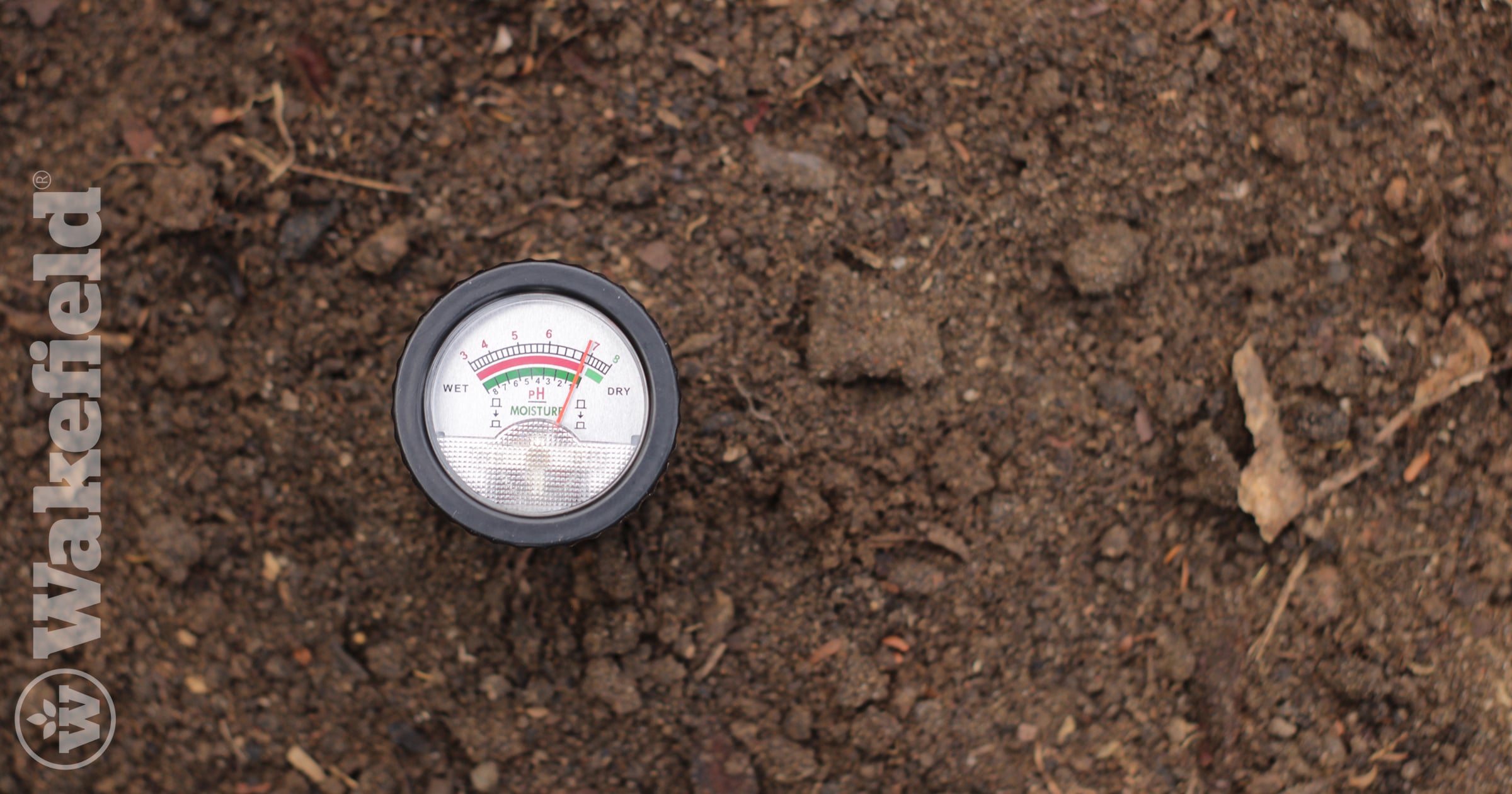
Moreover, biochar contributes to soil pH stabilization, promoting an optimal environment for a variety of crops. The versatility of biochar allows it to be tailored to specific soil types, offering customized solutions for diverse agricultural challenges across varying ecosystems.
Addressing Waste Management Challenges
A significant allure of biochar production via hydrothermal carbonization lies in its capacity to efficiently manage organic waste. With global waste generation climbing, the potential to convert waste into a valuable product is a transformative aspect of the HTC process. Utilizing diverse low-value feedstock—ranging from agricultural by-products to industrial waste—facilitates a circular economy model. Rather than succumb to disposal issues, such materials are innovatively transformed into biochar, presenting a compelling solution to waste management. The buoyant interest in urban mining—the recovery of resources from waste—intersects seamlessly with biochar technology, making it an appealing avenue for cities aiming for sustainability.
Broader Applications and Innovations
Beyond agriculture and waste management, biochar derived from hydrothermal carbonization has broad-reaching applications across industries. Its high adsorption capacity lends it significant utility in water treatment and remediation, as it can effectively capture contaminants and facilitate clean-up efforts. As the water crisis deepens in myriad regions, biochar presents a sustainable alternative for addressing quality and scarcity issues.
In the energy sector, biochar can be utilized in the creation of renewable energy sources. While still in nascent stages, utilizing biochar in gasification or combustion processes holds potential for producing sustainable fuels while simultaneously sequestering carbon.
The Fascination with Biochar and Hydrothermal Carbonization
The intrigue surrounding biochar, particularly in the context of hydrothermal carbonization, is rooted in its multifarious benefits and technological advancement. In a world where resource scarcity and environmental challenges mount, innovations like biochar represent pathways of hope. The synthesis of sustainable practices with advanced technologies speaks to a future where waste can be transformed into a resource, yielding ecological, economic, and societal dividends.
Biochar’s enigmatic ability to encapsulate carbon, enrich soils, and manage waste poses a profound narrative of redemption, unveiling a hidden potential within organic matter. Ultimately, as the imperatives for sustainable growth intensify, hydrothermal carbonization of biochar stands poised at the forefront of transformative change—a beacon for the environment and agriculture alike.