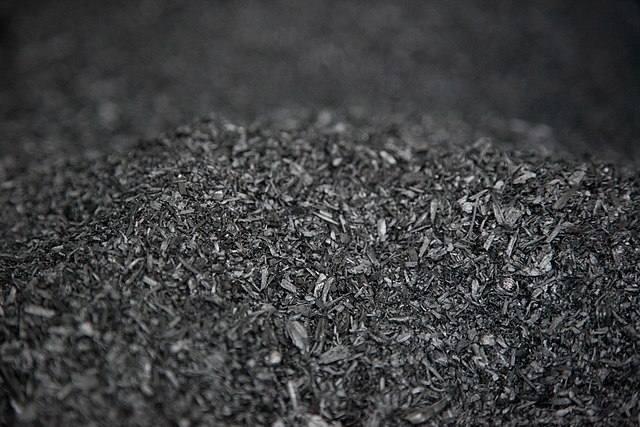
In the verdant world of sustainable agriculture and climate change mitigation, biochar emerges as a phoenix from the ashes, a transformative agent with the potential to revolutionize soil health and carbon sequestration. This remarkable substance is born from the carbonization of organic materials through pyrolysis, an ancient technique that blends art and science in an intricate dance of heat and time. Let us delve into the intricate web of biochar, exploring the equipment and technology that underpin this innovative solution while discovering the profound symbiosis it creates with the earth.
The journey of creating biochar begins with the selection of raw materials. Agricultural residues, wood chips, and various biomass byproducts become the canvas upon which this ecological masterpiece is sketched. The choice of feedstock is akin to an alchemist selecting the right ingredients to concoct a philosopher’s stone – each type of biomass imparts unique properties to the final product. For instance, wood-based biochars possess a distinct structure that enhances aeration and water retention, while agricultural waste may offer heightened nutrient profiles.
At the heart of biochar production lies the pyrolysis process, which can be visualized as a culinary endeavor, where organic matter is subjected to extreme heat in an oxygen-starved environment. This process not only transforms the biomass into char but also generates syngas and bio-oils—valuable co-products in the renewable energy sector. The technology employed in this process varies widely, ranging from simple, traditional kilns to sophisticated, multi-stage industrial reactors.
As we turn our attention to equipment, the players in this field are as diverse as the ecosystems they aim to enhance. At the lower end of the technology spectrum, we find the traditional pit or earth kilns. These rudimentary structures often involve layering biomass within a pit, followed by covering it with soil or other materials to create a low-oxygen environment. While cost-effective, these kilns can exhibit limited control over temperature and airflow, impacting the quality and consistency of the output biochar.
In contrast, modern pyrolysis units signify the zenith of biochar technology. The advanced pyrolysis reactors, such as auger, fixed-bed, and fluidized-bed types, embrace precision engineering. Auger reactors facilitate continuous feedstock input, allowing for uninterrupted operation and optimization of heat transfer. Fixed-bed reactors are ideal for batch processing, producing high-quality biochar with specific surface areas, while fluidized-bed reactors provide remarkable control over temperature and feedstock residence time, crucial elements that influence the physicochemical characteristics of the final product.
Moreover, the implementation of real-time monitoring systems transforms these reactors into intelligent machines, where sensors gauge temperature, pressure, and gas composition. This high-tech integration ensures that each batch of biochar meets the desired specifications, paving the way for knotting the intricate tapestry of environmental stewardship and agricultural productivity.
An intrinsic aspect of biochar technology is the lifecycle assessment, ensuring that the benefits outweigh the environmental costs. It is during this stage that engineers and scientists work collaboratively, revealing the intricate balance between energy consumption during production and carbon sequestration potential in soil. Biochar’s porous structure not only supports microbial life, enhancing soil fertility, but also sequesters carbon for centuries, presenting a dual advantage in the fight against climate change.
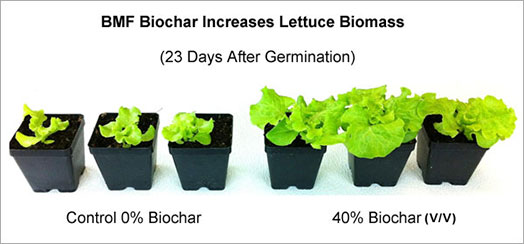
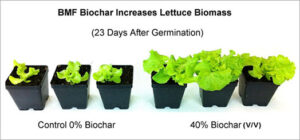
Yet, the journey doesn’t end once biochar is produced. Equally vital is its application. Distributing biochar into soil is akin to introducing an artist’s canvas into a vibrant gallery—its effect hinges on both its qualities and the environment in which it is placed. Various methods, from broadcast seeding directly into soil to its integration with compost or fertilizers, allow for versatility tailored to different agricultural practices. The synergy between biochar and soil microbiota is particularly profound, often catalyzing a renaissance of soil health, increasing water retention, and reducing the need for chemical fertilizers.
Global interest in biochar is reminiscent of a garden in bloom, with myriad initiatives mushrooming worldwide. Research institutions, startups, and NGOs are knitting together a patchwork of knowledge and experience, disseminating insights related to best practices in biochar production and application. The proliferation of biochar in various sectors—from organic farming to waste management—highlights its multifarious appeal.
Nevertheless, amidst the verdant enthusiasm, challenges persist. The economic viability of small-scale biochar production, the standardization of quality control, and regulatory frameworks are all factors that require deft navigation. In many regions, the market for biochar remains underdeveloped, akin to an undiscovered treasure waiting to be unearthed.
The intersection of innovation and tradition encapsulated in biochar technology not only optimizes resources but evokes a sense of responsibility towards our planet. As the world grapples with the mounting challenges of climate change and soil degradation, biochar stands as a compelling alternative, a vessel of hope crafted through technology and ingenuity. With each batch produced, we draw closer to healing the scars of our mismanaged ecosystems, transforming waste into wealth—a tangible reminder that, within the cycle of life, nothing is ever truly lost; it merely awaits its renaissance.
In conclusion, biochar is not merely a byproduct of biomass but a harbinger of transformative potential. Its creation, influenced by innovative equipment and advanced technology, fosters a sustainable dialogue that enshrines environmental stewardship. As we embrace this earthy marvel, let us remember the intricate dance of carbon, the soil, and the resilience of nature, harmonizing past, present, and future into a better tomorrow.