In an age where the whisper of sustainability resonates through the verdant fields and urban gardens alike, one superlative agent of transformation stands out—biochar. This enigmatic substance, akin to a magician’s wand, wields the power to revolutionize vegetable cultivation, drawing upon ancient techniques while simultaneously embracing modern agricultural practices. This article will embark on a journey through the captivating realm of biochar and its remarkable relationship with vegetables.
The Essence of Biochar: An Organic Alchemy
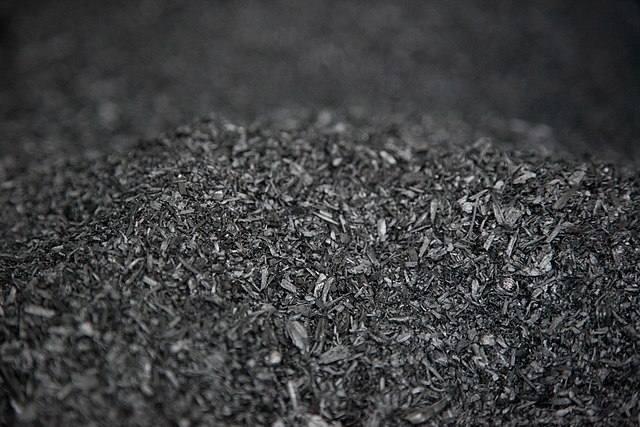
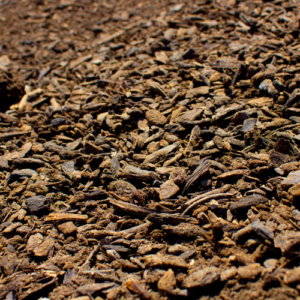
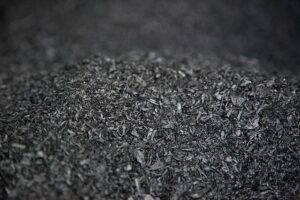
Biochar, quite simply, can be envisioned as a carbon-rich, charcoal-like material created through the pyrolysis of organic matter in a low-oxygen environment. The process, reminiscent of a phoenix rising from the ashes, begets a form of charcoal that not only captures carbon but also enhances soil health. It serves as a medium that enriches the soil with nutrients while providing a habitat for beneficial microorganisms. This remarkable alchemy fosters an environment conducive to vibrant plant growth, particularly vegetables—our culinary stalwarts.
Enhancing Soil Structure: The Foundation for Flourishing Vegetables
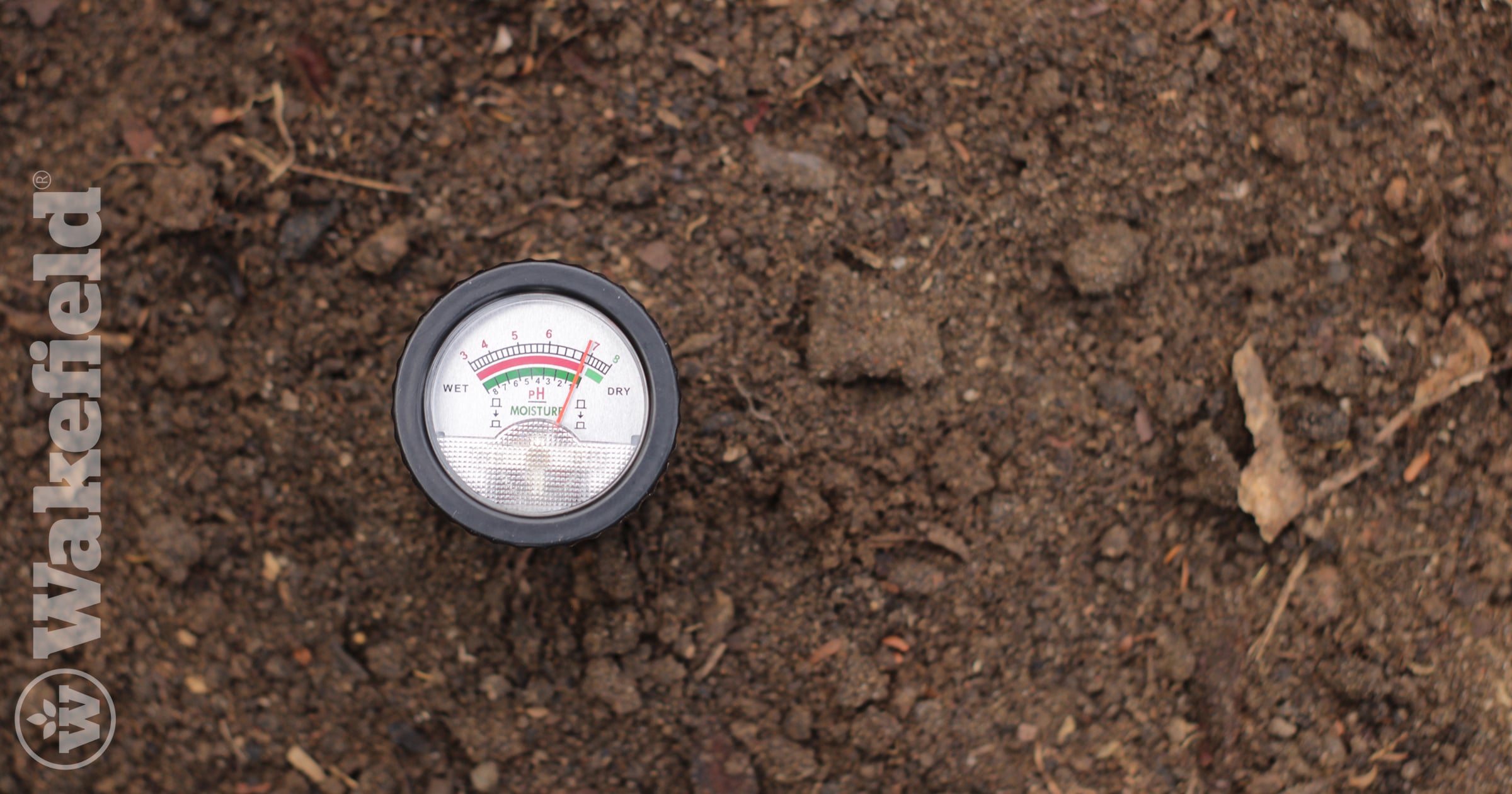
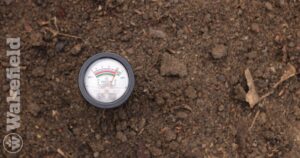
At the core of any successful vegetable garden lies soil health. Biochar acts as a crucial building block, improving the soil’s structure and aeration. Picture a sponge absorbing water; biochar enhances soil’s moisture retention capabilities while simultaneously preventing erosion. Furthermore, its porous nature allows for the proliferation of beneficial bacteria and fungi, the unseen sentinels that protect garden crops. The result? A thriving ecosystem where vegetables can unfold their full potential, much like a ballet dancer taking center stage.
Nutrient Management: A Symphony of Balance
Vegetables, much like instrumentalists in a symphony, require a harmonious balance of nutrients to perform optimally. Biochar excels in this role by acting as a slow-release reservoir of nutrients. When integrated into the soil, it can sequester nutrients like nitrogen, phosphorus, and potassium, preventing them from leaching away with rainfall. This nutrient retention ensures that vegetables receive a steady supply during their growth, resulting in a bountiful harvest that sings with flavor.
Carbon Sequestration: The Climate Champion
In an era grappling with climate change, biochar emerges as a champion of carbon sequestration. Each cubic meter of biochar can sequester approximately 2.5 tons of carbon dioxide. By turning organic waste into biochar, we not only mitigate greenhouse gas emissions but also enhance the productivity of vegetable crops. Consider biochar as a time capsule, locking away carbon while nurturing our food sources. This dual function is a compelling reason for gardeners and farmers to embrace its use, encouraging ecological stewardship while reaping tangible benefits.
Water Retention: The Lifeblood of Vegetables
Water—an essential elixir—fuels the growth of vegetables, yet its distribution is often fraught with trials. Here, biochar shines like a beacon of hope. Its spongy structure enables it to hold onto moisture, gradually releasing it to the roots of plants. In times of drought, this hydrophilic quality ensures that vegetables endure, standing resilient against the scorching sun. Much like a well-tuned irrigation system, biochar contributes to the efficient use of resources, guarding against water scarcity and enhancing sustainability.
Pest and Disease Resistance: Fortifying the Vegetable Guardian
The battle against pests and diseases can be a relentless endeavor, but biochar offers a robust defense mechanism. By fostering a diverse microbiome in the soil, biochar effectively increases the resilience of plants. This microbial diversity serves as a deterrent to pathogens, equipping vegetables with the strength to resist threats, analogous to a knight donning armor before a battle. As the soil brims with life, vegetables grow stronger, creating an unyielding bond between them and their nurturer—the gardener.
Applications of Biochar: From Garden Beds to Field Crops
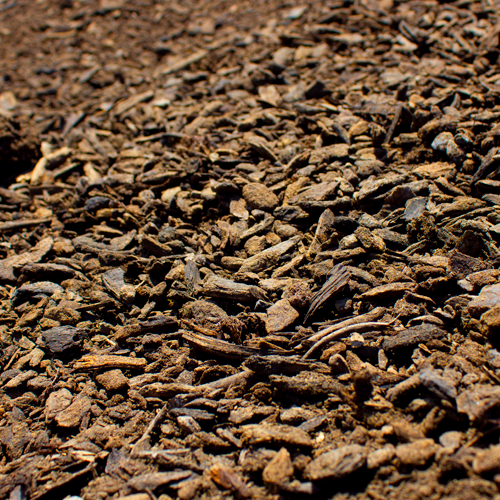
The versatility of biochar extends beyond mere garden plots. When blended into potting mixes, it enhances the growth of container vegetables, providing a lightweight medium that retains moisture while breathability ensures root health. In larger agricultural settings, biochar can be tilled into fields, accelerating soil recovery and improving crop yields. This adaptability becomes a canvas upon which farmers can paint their agricultural masterpieces, bolstered by the magic of biochar.
Conclusion: Reimagining Tomorrow’s Gardens
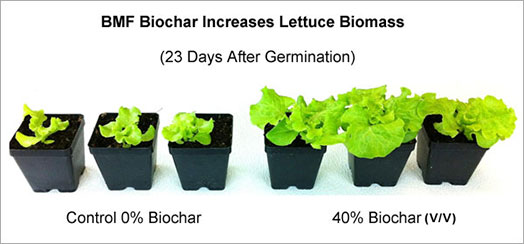
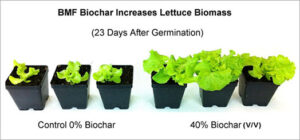
As the world pivots towards sustainable practices, the incorporation of biochar into vegetable cultivation emerges as a promising frontier. This extraordinary substance not only enriches soil and nurtures plants but also serves as a staunch ally in the fight against climate change. The allure of biochar lies not merely in its practical benefits but in its potential to redefine the way we perceive cultivation, transforming simple gardens into thriving ecosystems. In the grand tapestry of gardening, biochar is a vibrant thread, weaving together the aspirations of today while laying the groundwork for future generations of vegetable enthusiasts. Its unique appeal lies within its profound ability to connect thoughtful practices with the boundless wonders of nature, a true emblem of regenerative agriculture.