In the ever-evolving narrative of climate change, biochar emerges as both a protagonist and an poetic device—a metaphorical salve for a world grappling with the arduous consequences of its own emissions. This charcoal-like substance, produced through the pyrolysis of organic material, extends beyond mere carbon sequestration; it embodies a transformative vehicle for climate policy and a robust approach to generating carbon credits. By delving into the intersections of biochar production, climate strategy, and carbon credit systems, one can discern the intricate tapestry of environmental restoration.
The concept of biochar is stunningly simple yet extraordinarily elegant. Think of it as a vessel for captured carbon, reminiscent of ancient trees encased in time, locked away in a carbon embrace. When organic matter decomposes, it typically releases greenhouse gases like carbon dioxide and methane into the atmosphere. However, biochar acts like a sponge, absorbing carbon from the air and styling it back into the soil, enriching it and preventing further atmospheric pollution. This remarkable ability positions biochar not just as a byproduct of biomass energy but as a cornerstone in the sustainable landscape of carbon management.
At the crux of climate policy, biochar aligns seamlessly with the goals outlined in many international agreements. For instance, the Paris Agreement binds nations to limit global warming and reduce greenhouse gas emissions. As countries strive to meet their obligations, biochar offers an innovative solution that integrates agricultural practices with environmental stewardship. Through the deliberate application of biochar, farmers have the capacity to enhance soil fertility while simultaneously contributing to net carbon neutrality.
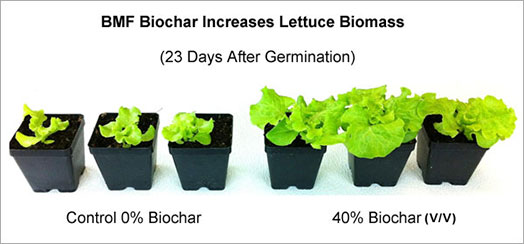
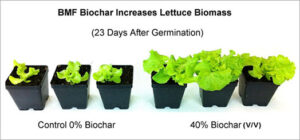
Picture a farmer wielding biochar as a modern-day alchemist, transforming agricultural waste into an agent of climate transformation. The enchantment lies in the dual benefits of improved soil health and increased crop yields, creating a ripple effect that resonates with both socioeconomic progress and ecological balance. When nutrient-rich biochar is tilled into the earth, it enhances soil structure, increases water retention, and augments microbial activity—all essential components for resilient agriculture in the face of climate extremes.
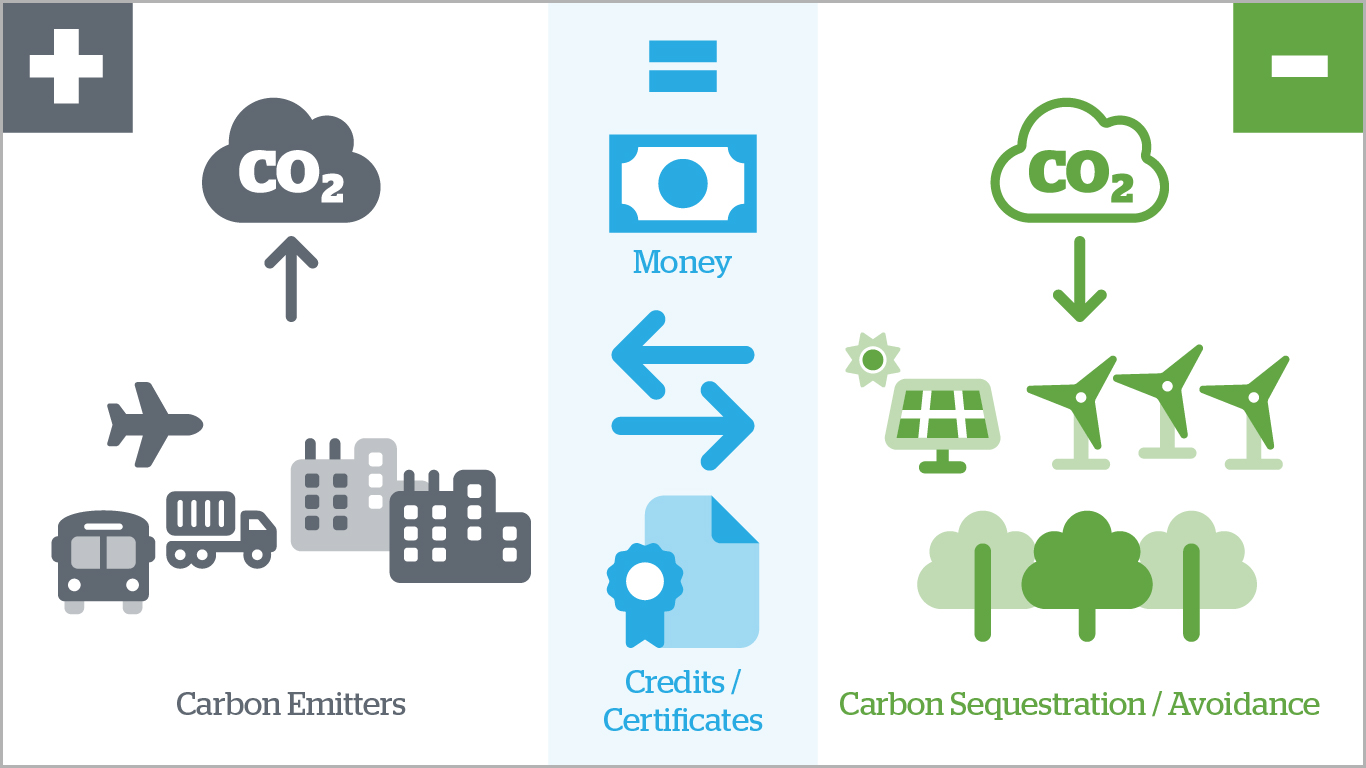
Yet, the allure of biochar doesn’t culminate in agricultural applications. Its incorporation into climate policy evolves further when viewed through the lens of carbon credits. Carbon credits serve as a currency in the fight against climate change—a means of offsetting emissions by investing in projects that reduce or sequester greenhouse gases. In this financial ecosystem, biochar production acts as both a generator and a facilitator.
Each ton of carbon sequestered through biochar can be quantified and translated into carbon credits, creating a compelling economic incentive for producers and investors alike. This not only fosters a marketplace for environmentally beneficial practices but also supports the development of biochar technologies—paving pathways for innovation in a land where soil health and carbon management intersect.
Imagine a burgeoning economy where carbon credits become the lifeblood of sustainable entrepreneurship. Startups in the biochar sector are sprouting like wildflowers in a permacrete landscape, seeking to capitalize on the ecological, social, and financial dividends that arise from carbon credit sales. Whether it is a small-scale farm producing biochar as a side venture or a major agro-industrial complex integrating biochar into its operations, the possibilities for growth and positive impact are both abundant and diverse.
However, it would be remiss to ignore the challenges that accompany the integration of biochar into climate policy and market systems. Questions abound regarding certification, regulatory oversight, and the scientific validation of carbon credits. Transparency remains paramount to ensure that the buzz surrounding biochar does not devolve into a mere fad devoid of real benefits. Establishing standardized measures for biochar production and its effect on carbon sequestration is crucial to maintaining credibility and promoting wider acceptance.
Moreover, the relationship between biochar and local ecosystems demands careful consideration. Balancing the benefits of biochar with the potential unintended consequences is imperative. Not all biomass is suitable for biochar production; the sourcing of feedstock must focus on sustainable practices that negate the risk of deforestation or habitat destruction. Crafting policy frameworks that honor both the intricacies of local biodiversity and the aspirations of carbon offsets is essential to avoid the pitfalls of a myopic approach.
In the grander scheme, biochar represents a crucible through which the alchemy of cooperation can unfold. As governments, nonprofits, and enterprises collaborate, they can collectively amplify the impact of biochar on reducing atmospheric carbon. Initiatives that harness community engagement, facilitate education, and foster partnerships will bolster not just the production and application of biochar, but the larger narrative of climate resilience and recovery.
In conclusion, the marriage of biochar with climate policy and carbon credits stands as a poignant reminder that innovation in the face of adversity is not merely possible—it’s essential. Through the lens of biochar, we glimpse a future where agriculture, economics, and environmental consciousness entwine in a harmonious embrace. By embracing its unique appeal, we can pave new pathways towards mitigating climate change and revitalizing our planet, rooting ourselves in sustainability while still gazing upwards toward a greener horizon.