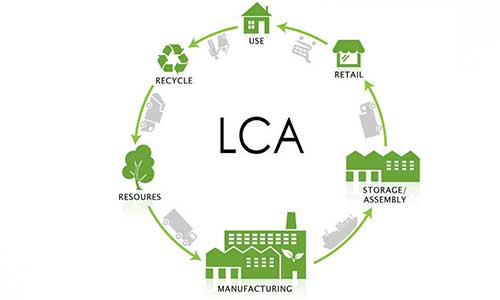
In the realm of sustainable agriculture and waste management, biochar has emerged as a potent contender for addressing two pressing challenges: soil degradation and climate change. Have you ever pondered whether this seemingly humble material could be the key hero of our ecological dilemma? The captivating life cycle of biochar not only reveals its transformative properties but also unearths potential hurdles that must be navigated to harness its full potential.
1. What is Biochar?
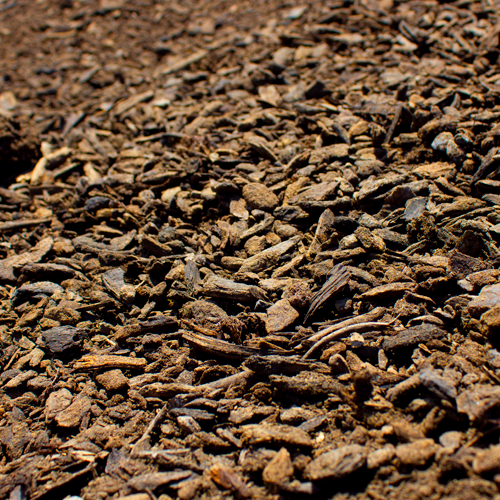
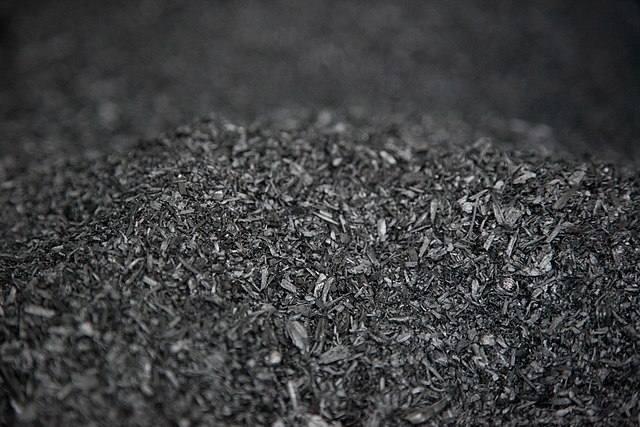
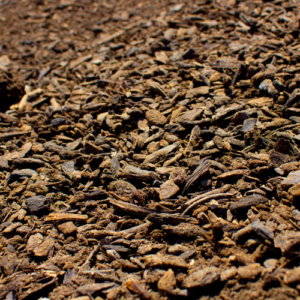
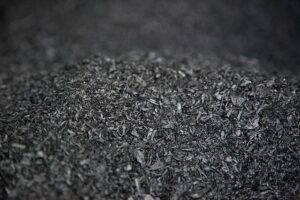
Biochar is essentially charcoal created through the pyrolysis process, which involves the thermal decomposition of organic material in the absence of oxygen. Derived from biomass like agricultural residues or forestry waste, biochar is a stable form of carbon that can be integrated into soil to enhance its fertility and sequestrate carbon dioxide, a greenhouse gas. This process not only mitigates waste but actively contributes to soil health, creating a multi-faceted approach towards sustainability.
2. The Production Phase
The production of biochar unfolds in several stages, each of which significantly impacts its life cycle. Initially, feedstock is selected, and its quality contributes to the final biochar’s characteristics. Factors like moisture content, nutrient profile, and ash content are pivotal in determining biochar’s efficacy when mixed with soil.
During pyrolysis, the chosen biomass is subjected to high temperatures, typically between 300°C to 700°C. This process maximizes carbon retention while minimizing the emission of harmful gases. However, the energy required for pyrolysis poses an intriguing challenge. How do we ensure that the energy input does not surpass the environmental benefits gained from biochar application? This conundrum leads us to the next phase: transportation and distribution.
3. Transportation and Distribution: The Logistics of Biochar
The journey of biochar from production facilities to agricultural fields and consumers entails significant logistical considerations. Notably, biochar’s low density often necessitates bulk transportation, which can incur substantial greenhouse gas emissions. What strategies can be deployed to optimize this transportation phase? Localizing production facilities close to the biomass source is one approach, yet factors like demand and market accessibility must be weighed to ensure feasibility.
4. Application Techniques
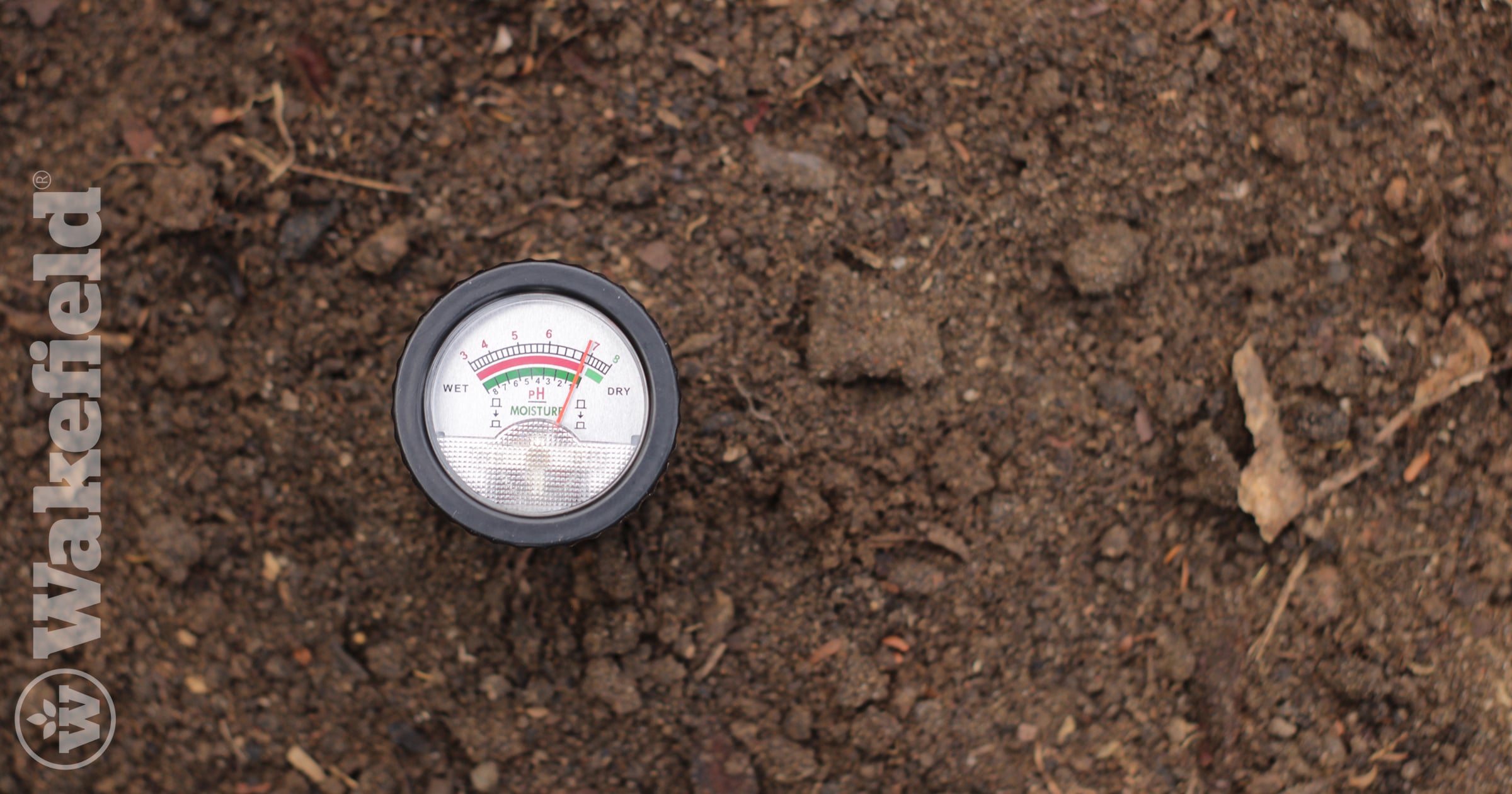
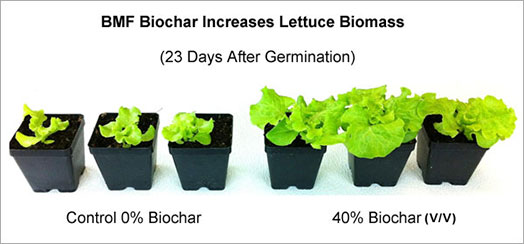
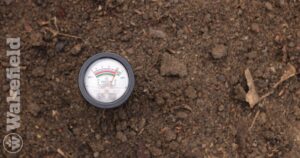
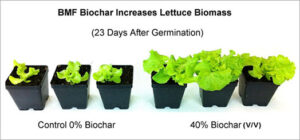
Once biochar arrives at its destination, application techniques play a crucial role in maximizing its benefits. Biochar can be blended with compost, incorporated directly into the soil, or utilized in mulching practices. Each application method possesses unique advantages and challenges. For instance, applying biochar directly into the soil may enhance nutrient availability while simultaneously improving soil structure.
The most compelling aspect of biochar application lies in its interaction with soil microbiomes. Enriched with diverse microbial life, biochar acts as a habitat for beneficial organisms, subtly influencing soil chemistry and biological activity. The question remains: How can we monitor and optimize these interactions to enhance crop yields sustainably?
5. Environmental Benefits and Carbon Sequestration
One of biochar’s most lauded benefits is its potential for carbon sequestration. Sequestering carbon in a stable form directly contributes to mitigating the adverse effects of climate change. Studies indicate that biochar can sequester carbon in soil for hundreds, if not thousands, of years. Nonetheless, a critical consideration emerges: what are the cumulative effects on soil health and biodiversity over extended periods? Understanding the long-term impact of biochar application is essential for establishing its role in sustainable agriculture.
6. Economic Viability
An often-overlooked aspect of biochar’s life cycle is its economic viability. While biochar offers myriad environmental benefits, the initial costs associated with production, transportation, and application can be a deterrent for many stakeholders. Will biochar become commercially viable in the long run, or are we merely trading one set of challenges for another? Incentive programs and policy support are required to promote biochar utilization, yet funding and resources may be limited in some regions.
7. Regulatory Frameworks: A Double-Edged Sword
The regulatory framework surrounding biochar production and application varies significantly from region to region. In some areas, biochar is embraced as a green amendment; in others, it faces scrutiny due to concerns about potential contaminants in the feedstock. How can stakeholders navigate these regulatory landscapes whilst advocating for biochar’s benefits? Establishing comprehensive, science-backed guidelines will be crucial in fostering public trust and increasing biochar’s adoption in various sectors.
8. The Future of Biochar in Sustainable Practices
The future of biochar lies at the intersection of innovation and tradition. Emerging research continues to unveil new applications beyond agriculture, such as carbon credits and biochar’s role in stormwater management. As technological advancements propel production efficiency, the narrative surrounding biochar is poised to evolve. The pivotal question remains: can we create a world where biochar is not just a niche product but a fundamental component of sustainable practices worldwide?
In conclusion, the life cycle analysis of biochar encompasses numerous dimensions, from its humble origins in organic waste to its potential as a keystone in combating climate change. As we delve deeper into its production, application, and regulatory challenges, an opportunity arises to reimagine how we engage with this versatile material. Biochar represents more than a solution; it embodies a vision for a sustainable future, one where we harness nature’s wisdom to regenerate our planet.