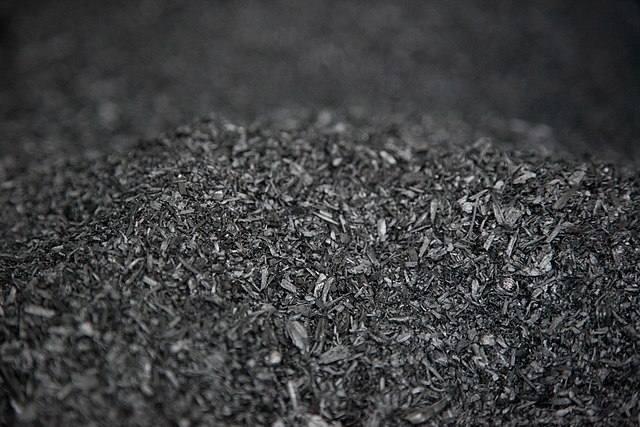
Biochar is increasingly recognized as a pivotal component in sustainable agricultural practices and environmental remediation. Its production is rooted in the ancient technique of pyrolysis, where biomass is thermally decomposed in the absence of oxygen. However, the contemporary resurgence of interest in biochar can also be linked to modern dilemmas faced by agriculture, climate change, and waste management. Let’s delve into low-cost methods for producing biochar and explore why this material continues to captivate scientists, farmers, and environmentalists alike.
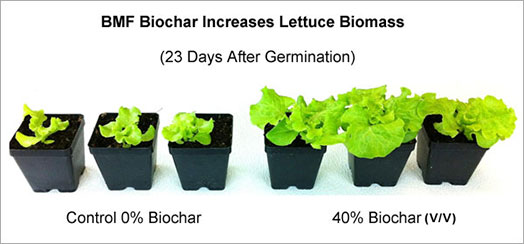
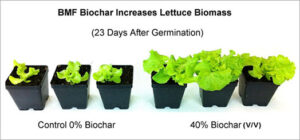
The fascination with biochar extends beyond mere curiosity; it fundamentally addresses the pressing challenges of our time. The impact of industrial agriculture on soil health, climate change, and environmental contamination throws light on the efficacy of biochar. The intrinsic value lies in its multifaceted benefits: enhancing soil fertility, sequestering carbon, improving water retention, and mitigating greenhouse gas emissions. In essence, biochar serves as a bridge between necessary agricultural advancement and the sustainability imperative.
As communities and researchers pursue efficient and cost-effective methods to produce biochar, several innovative techniques have been developed. Here, we outline a variety of low-cost methods that can be employed without requiring substantial investment or advanced technology.
1. Simple Kiln Method
The simplest of all methods is the construction of a homemade biochar kiln. This can be created using readily available materials such as metal containers or brick constructions. A common approach is to stack organic waste like wood chips, agricultural residues, or even food waste in a drum or pit and subject it to controlled burning. Such setups allow for the meticulous regulation of oxygen to achieve pyrolysis, yielding high-quality biochar. This method is particularly appealing for small-scale farmers due to its affordability and accessibility.
2. TLUD (Top-Lit Updraft) Gasifier
Another low-cost method is the TLUD gasifier, which produces biochar while also generating syngas for energy use. This system employs a top-lit ignition technique where biomass is burned from the top down, reducing smoke emissions and enhancing efficiency. Constructed from materials like buckets or metal drums, it can be assembled locally with minimal expenditure. The dual benefit of producing energy while creating biochar presents an enticing solution for communities lacking access to conventional energy resources.
3. The Charcoal and Soil Strategy
Implementing a direct incorporation of charcoal into the soil can also be a means of producing biochar. By integrating low-temperature burning techniques in conjunction with soil amendments, organic materials can be charred in situ. This method not only enhances soil structure and nutrient retention but also acts as a carbon sink, minimizing environmental impact. The practicality of this integrated approach fosters a deeper symbiosis between agricultural practices and ecological health.
4. Using Waste Materials
One of the most compelling aspects of biochar production is its reliance on waste. Agricultural byproducts, forestry residues, and even municipal solid waste can be transformed into biochar, thereby addressing waste disposal challenges while simultaneously enhancing soil quality. This circular approach not only reduces landfill reliance but also promotes sustainability by repurposing materials that would otherwise contribute to environmental degradation.
5. Community-Based Initiatives
Engaging local communities in biochar production offers a way to create small-scale cooperatives, where resources, knowledge, and labor are pooled together. Training workshops can be conducted to share low-cost production techniques, fostering a culture of sustainability and resilience. Collaboratively developing biochar systems can also improve local soil health and land productivity, contributing to food security while uniting the community around a common goal.
6. Biochar Recipes
Experimentation with different organic materials can yield varying qualities of biochar. For instance, different biomass feedstocks – from wood logs to agricultural residue – produce distinct properties in the resultant biochar. Tailoring ‘biochar recipes’ to specific soil types or crop needs not only maximizes agronomic benefits but also invites creativity in biomass utilization. Knowledge of local biomass availability can inspire resourcefulness, leading to improved agricultural practices that are both economical and environmentally sound.
7. Integration with Agroforestry
Enhancing biological carbon sequestration through agroforestry can lead to the production of biochar that is optimized for soil enhancement. Integrating trees into agricultural landscapes creates a system in which organic residues can be converted into biochar, thereby enriching both soil and biodiversity. This method aligns with traditional land stewardship practices while addressing modern environmental challenges, illustrating the historical roots of biochar in contemporary settings.
The production of biochar emerges as a compelling response to our ecological crises, merging waste reduction with environmental restoration. The myriad of low-cost methods ensures that biochar is not reserved for those with financial means, but rather, accessible to all who seek to enhance their agricultural practices sustainably. As awareness continues to grow around the significance of soil health and carbon management, the role of biochar will undoubtedly be amplified, fostering a rejuvenated interest in sustainable agriculture. It serves as a testament to the ingenuity of humanity in navigating complex environmental challenges, drawing us toward a more harmonious relationship with nature.