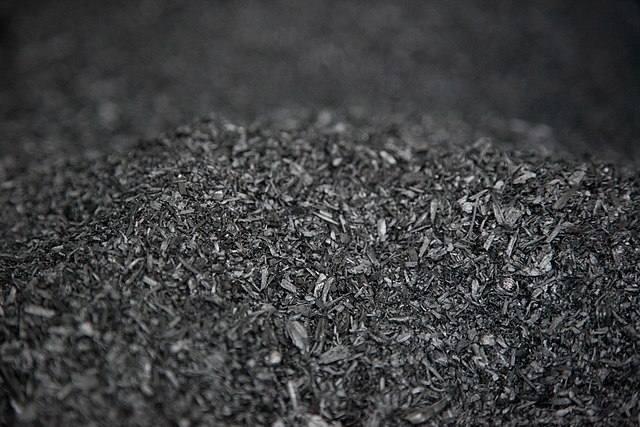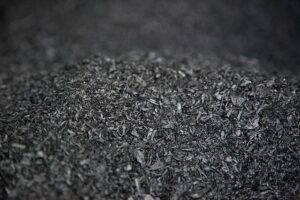
Biochar, a carbon-rich material derived from the pyrolysis of biomass, has increasingly garnered attention within agricultural and environmental spheres. As sustainable practices become more paramount, the cost considerations surrounding biochar application reveal a tapestry woven with both pragmatic and philosophical threads. This article provides an extensive exploration of the cost dynamics associated with biochar, juxtaposed against its myriad benefits and potentialities.
The Fundamentals of Biochar Production
Understanding the cost comparison of biochar begins with a grasp of its production processes. Biochar is created by heating organic material—such as agricultural residues, forestry by-products, and even municipal solid waste—in the absence of oxygen, a process known as pyrolysis. The choice of biomass and the technology applied significantly impact the production costs. Inexpensive feedstocks may lower costs, whereas more sophisticated pyrolysis technologies, while potentially yielding higher quality biochar, can inflate overall expenditures.
Initial Investment: Infrastructure and Technology
Investing in biochar production often necessitates a substantial upfront capital injection. Facilities require specialized equipment for biomass processing and pyrolysis. For small-scale producers, this can mean significant economic strain—requisite machinery ranges from portable units capable of processing a few tons per day to industrial-scale pyrolyzers. The variability in technology choice directly influences the economy of scale attained, impacting both production efficiency and cost-effectiveness.
Operational Costs: A Detailed Breakdown
Once infrastructure is established, operational costs emerge as a primary concern. These include recurring expenses related to feedstock procurement, energy consumption, labor, and maintenance. Incorporating locally-sourced biomass can mitigate feedstock costs, particularly when considering the economic implications of transport distances. Additionally, energy requirements for pyrolysis can vary, as some state-of-the-art systems are designed to be self-sustaining, utilizing the energy derived from the biochar production process itself.
Cost per Ton: A Comparative Analysis
The cost of biochar can differ significantly based on locality and production scale. A granular analysis reveals that small-scale producers may face higher per-ton production costs, potentially ranging from $300 to $600, depending on feedstock availability and system efficiency. In contrast, larger, centralized facilities with optimized processes can lower costs to approximately $100 to $200 per ton, making biochar more economically viable as a sustainable amendment or soil enhancer.
Application Costs: Integrating Biochar into Practice
Beyond production, the application of biochar introduces additional expenses. Incorporating biochar into farming systems can yield immediate labor costs associated with distribution and incorporation into soil—a critical step that ensures effectiveness. Application rates vary, typically ranging between 5% to 20% of soil volume, and should be calibrated according to specific agronomic goals. Evaluating these variables is essential for farmers to determine the most cost-effective methods relative to projected soil enhancement benefits.
Economic Benefits: Weighing Costs Against Advantages
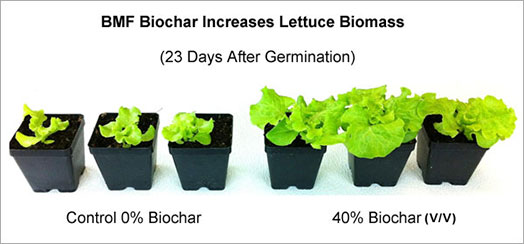
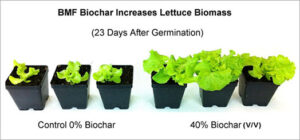
While the upfront and operational costs associated with biochar may appear daunting, they must be evaluated through the lens of its potential economic benefits. Biochar has been shown to enhance soil fertility, improve water retention, and promote microbial activity, translating into increased agricultural productivity. Additionally, it has been posited that the long-term carbon sequestration capabilities of biochar could yield financial returns through carbon credit markets, potentially offsetting initial expenses over time.
Environmental Costs: Mitigating Carbon Footprints
Considering the environmental implications of biochar production and application brings another layer to the cost equation. Traditional agricultural practices often lead to soil degradation and carbon emissions. In contrast, biochar not only sequesters carbon but also contributes to soil restoration, presenting an argument for its integration as an environmentally friendly alternative. These benefits may ultimately translate into lower costs in terms of soil amendment and restoration over time, presenting biochar as a more sustainable option.
Regional Variations: Market Influences
The regional context plays a crucial role in biochar cost dynamics. Variabilities in market demand, regulatory support, and local agricultural practices can significantly alter biochar supply and pricing structures. In regions with strong agricultural commodity markets or proactive sustainability policies, the integration and adoption of biochar may scale more quickly, driving down costs through increased competition and innovation. Understanding local dynamics is paramount for stakeholders seeking to engage in the biochar market effectively.
Future Outlook: A Sector on the Rise
Looking ahead, the biochar industry presents an intriguing blend of promise and challenge. As technology advances and production methods become more efficient, costs are anticipated to lower, making biochar an increasingly accessible tool for farmers and land managers alike. Moreover, rising awareness of climate change and the necessity for carbon-neutral practices amplifies the relevance of biochar, potentially stimulating wider adoption.
Conclusion: A Multifaceted Investment
In essence, while the initial costs associated with biochar may seem prohibitive, the comprehensive evaluation of its benefits—economic, environmental, and agronomic—paints a more favorable picture. Navigating the complexities of biochar pricing necessitates an integrated understanding of production, application, and regional factors. By embracing this multifaceted investment, stakeholders can tap into the sustainability potential that biochar offers, transcending the mere numbers to engage with a larger ecological narrative.