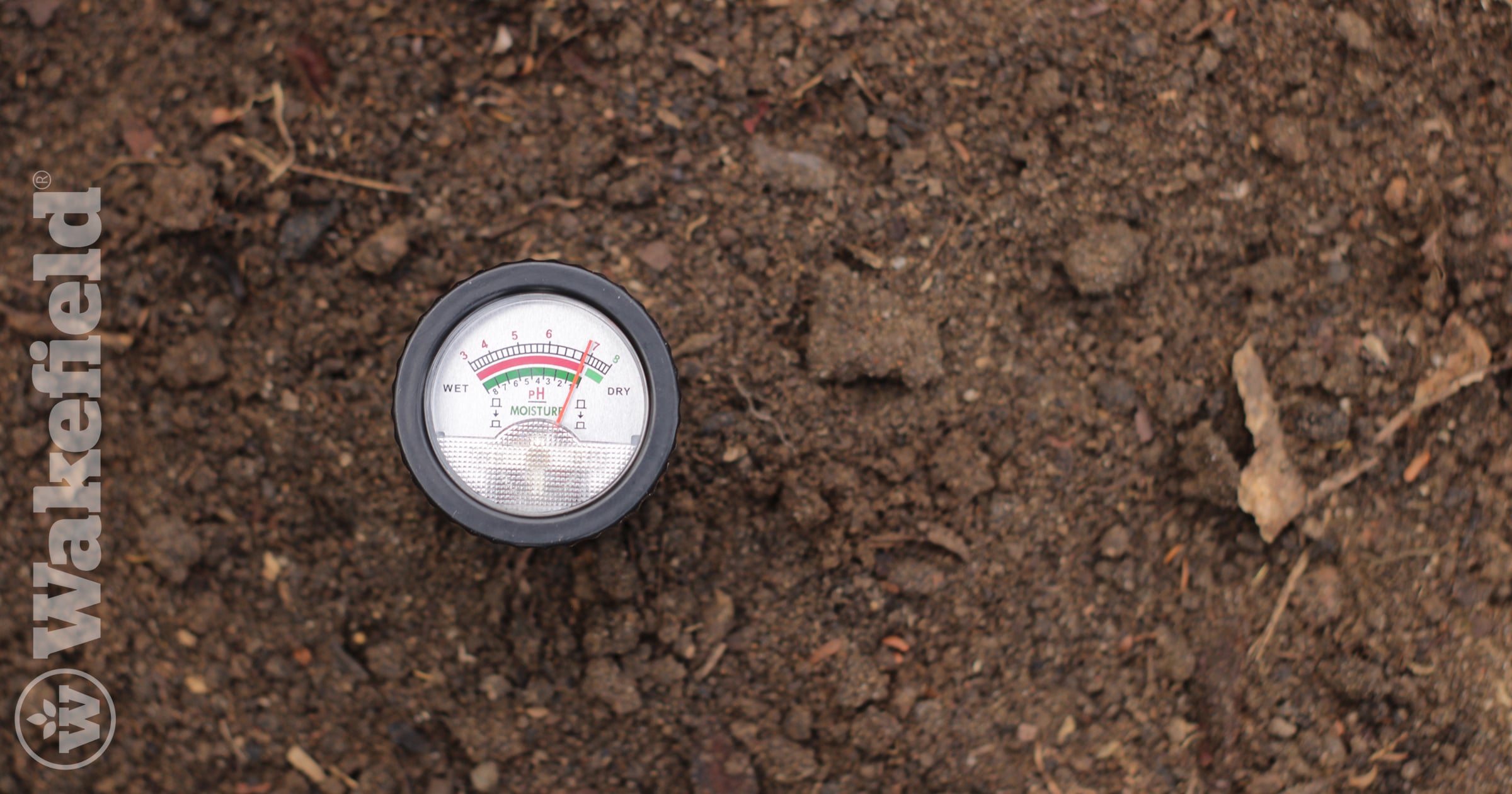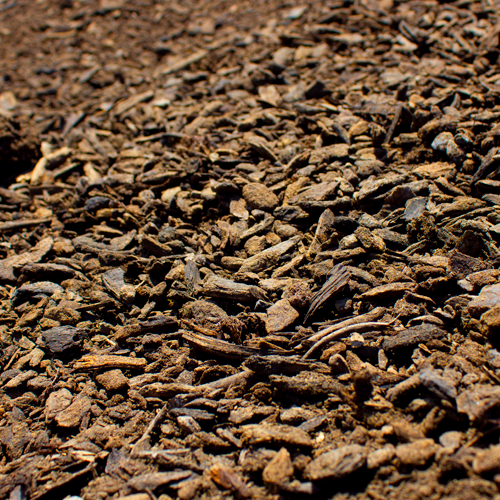
The Amazon rainforest, a verdant expanse teeming with biodiversity, holds many mysteries—one of which revolves around the enigmatic formation of Amazonian Dark Earths, or “Terra Preta.” This soil variation is characterized by its fertile quality, significantly contrasting the typically nutrient-poor soils of the Amazon basin. Recently, a new hypothesis has emerged, sparking curiosity and challenge within the academic community: could the origins of these remarkable soils be tied less to ancient indigenous practices and more to natural processes and events? In exploring this hypothesis, we delve deep into the potential implications for our understanding of ancient Amazonian civilizations and their relationship with the environment.
Before diving into the hypothesis, it is essential to understand what makes Amazonian Dark Earths unique. Terra Preta is not merely a product of natural soil formation. Its rich composition—rife with charcoal, organic matter, and diverse microbial life—distinguishes it from the surrounding soils, often leading to a fertile landscape favorable for cultivation. This has led scholars to propose various theories regarding its origins, each with its own set of evidence and implications.
The conventional narrative has predominantly centered around the anthropogenic origin hypothesis. This perspective posits that ancient Amazonian societies actively created Terra Preta through the addition of organic waste, such as refuse, compost, and particularly, charcoal from controlled burning practices. This agricultural ingenuity allowed them to cultivate a multitude of crops, thus substantially enhancing food security in one of the most challenging environments on Earth.
However, this new hypothesis introduces an intriguing twist: could significant environmental events, such as natural wildfires and floodplain sedimentation processes, have contributed to the formation of these fertile soils? This question invites a paradigm shift in our understanding of Amazonian human-environment interactions. It prompts us to consider a more symbiotic relationship between the local ecosystems and ancient inhabitants, wherein both could have jointly influenced the landscape.
At this juncture, we must consider the climatic conditions of the Amazon basin over the millennia. Periodic droughts and shifts in rainfall could have led to increased frequency of wildfires. These infernos, albeit destructive, may have inadvertently enriched the soils through charcoal deposition as they consumed carbon-rich biomass. Rather than a strictly human-driven process, this perspective suggests that the landscapes were shaped by natural forces, with humans adapting to the changing environment rather than solely altering it.
Furthermore, the hypothesis of autochtthonous development invites speculation about the role of sediment deposits from river systems. The regular flooding of the Amazon River and its tributaries brings nutrient-laden silt to the surrounding areas. Over time, these sediments could intermingle with organic materials, contributing to the formation of Terra Preta. While ancient peoples may have identified certain conducive conditions for crop planting, the foundation of these rich soils might lie in the interplay between natural soil creation and human use, merging distinct yet interconnected narratives into a cohesive understanding.
This new hypothesis also raises the need for ongoing research, particularly through interdisciplinary collaboration—effectively blending anthropology, geology, and ecology. The study of microfossils, which offers insights into past environmental conditions, can yield revelations about the historical dynamics of soil formation in the areas now known for their dark earths. Techniques such as soil isotope analysis could provide further data regarding the timing of charcoal deposits correlated with both human presence and climatic shifts.
In the midst of all this exploration, one might pose a playful yet critical challenge: if the Amazonian Dark Earths originate predominantly from natural events, what then happens to the narrative of human ingenuity and resilience? This question not only tests the implications of the findings on our understanding of history but also invites reflection on the complexities of contemporary environmental narratives. It compels a reconsideration of how societies adapt to—and indeed thrive within—ever-changing natural landscapes.
Moreover, this reevaluation has broader implications for current agricultural practices and sustainability methods. Understanding how these rich soils formed can inform contemporary efforts to restore degraded lands or enhance soil fertility for modern agriculture, potentially guiding practices that mimic these ancient processes—whether human-driven or naturally occurring. The interplay of ecological disaster and resourcefulness could inspire innovative approaches to sustainable agriculture amidst the challenges posed by climate change.
Ultimately, as scientific scrutiny of this hypothesis heightens, the quest for understanding the origins of Amazonian Dark Earths not only enriches our narrative of an ancient civilization but also fosters a broader appreciation of the intricate, complex relationships between humans and nature throughout history. In turn, such insights can help cultivate a future where sustainable practices and respect for natural processes produce a thriving environmental legacy. Whether the origins of Terra Preta hinge upon human agency, natural phenomena, or a tantalizing amalgamation of the two remains to be definitively concluded, yet the exploration itself remains profoundly valuable.
Let the exploration of this question continue, as it not only intrigues the scientific community but also invites anyone curious about the past to ponder how intertwined our history is with the ecological tapestry of our planet. In the end, both the triumphs and trials faced by ancient peoples in the Amazon serve as a monumental reminder of our ongoing relationship with the earth—one that demands both respect and understanding.