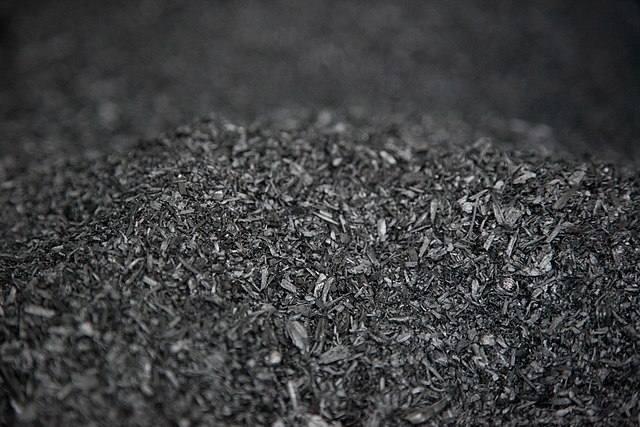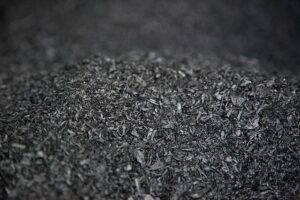
Biochar has emerged as a remarkably innovative material that bridges the spheres of environmental sustainability and agricultural enhancement. Characterized as a black carbon product derived from the pyrolysis of organic materials, biochar offers a plethora of benefits that have garnered significant attention in both scientific and agricultural communities. The fascination with biochar lies in its multifaceted applications and the potential it holds for carbon sequestration, soil fertility enhancement, and even waste management. This article delves into novel approaches that are reshaping the landscape of biochar production and application, revealing how these innovative methods are likely to change the game.
To grasp the significance of biochar, it is crucial to understand its origins. Traditionally, biochar has been produced through processes involving the thermal decomposition of biomass in an oxygen-limited environment. This ancient practice has recently been revitalized due to modern discernments surrounding its impact on climate change and soil dynamics. The crux of current research is to refine biochar production methods to maximize its efficacy and versatility. This leads us to explore cutting-edge techniques that are revolutionizing how biochar is being synthesized and utilized today.
One of the most noteworthy advancements in biochar technology lies in the use of pyrolysis integrated with advanced engineering. Innovations in reactor design allow for a more efficient conversion of biomass into biochar, significantly reducing the energy footprint of production processes. Novel down-draft gasifiers and continuous-flow reactors have been engineered to optimize heat transfer and minimize emissions, producing higher yields of biochar with enhanced properties. The calibrated temperature profiles during pyrolysis are also pivotal; they can produce biochar with tailored characteristics—high in surface area, pore volume, and cation exchange capacity—thus making it more effective for specific applications.
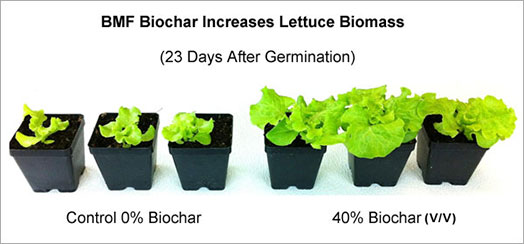
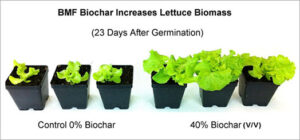
Moreover, the integration of biochar with other agricultural practices is garnering interest. One particularly compelling notion is the coupling of biochar with composting. This synergistic approach enhances nutrient retention and increases microbial activity, creating an enriched substrate ideal for plant growth. By incorporating biochar into compost, practitioners have observed an augmentation in the overall soil structure, promoting water retention and sustainability. This trend reveals a deeper understanding of soil health management, where biochar serves not merely as an amendment but as a catalyst for broader ecological harmony.
Another innovative approach is the co-production of biochar with biofuels. This dual-function methodology leverages the same feedstock to yield both energy and carbon-rich biochar concurrently. The process not only provides a renewable energy source but also traps carbon in a stable form, thus mitigating its release into the atmosphere. As the demand for cleaner energy increases, this dual production aligns with global sustainability goals. The adaptability of such systems makes them ideal for rural and under-resourced environments, bringing profound implications for energy independence and soil amelioration.
Furthermore, the concept of impregnating biochar with nutrients or beneficial microorganisms is gaining traction. This innovative modification transforms biochar from a mere soil amendment to a dynamic reservoir for essential nutrients. The addition of micronutrients, such as potassium or phosphorus, during the biochar production process can boost its effectiveness as a soil enhancer. Additionally, incorporating beneficial microbes can create a conducive environment for plant roots, enhancing nutrient uptake and plant health. This radically rethinks the approach to fertilization, pointing to a future where mineral inputs are minimized, and organic amendments flourish.
Beyond agricultural applications, biochar is being explored as a solution for environmental remediation. Its adsorptive properties make it an effective medium for sequestering pollutants and heavy metals from contaminated soils and water systems. Innovations in biochar treatment processes enable the enhancement of its adsorption capabilities, increasing its utility in treating waste streams. The research surrounding this application unveils a complex interplay between biochar and various contaminants, hinting at a future where biochar serves as a cornerstone for ecological restoration initiatives.
The fascination with biochar also extends into urban environments. As cities grapple with waste management, innovative methods utilizing biochar for urban soil remediation are on the rise. Urban biochar initiatives aim to convert green waste and food residues into biochar, thereby reducing landfill contributions while simultaneously enriching urban soils. Community engagement projects around these initiatives not only serve to educate but also promote awareness regarding sustainable waste practices and green urban spaces.
As biochar’s potential continues to unfold, the importance of research into its long-term impacts cannot be overstated. Questions around the durability of biochar in soils, its interactions with diverse ecosystems, and the lifecycle carbon benefits require rigorous scientific inquiry. There exists an intricate dance between technological advancement and ecological stewardship, one that must be navigated with prudence and foresight.
In conclusion, the diverse and innovative approaches to biochar production and application signify a transformative wave in environmental management and agricultural practices. The integration of novel technologies and methodologies is not merely enhancing the functionality of biochar but also instilling a deeper appreciation for its role in fostering sustainability. It is clear that as exploration into this remarkable material progresses, biochar will continue to play a pivotal role in addressing some of the most pressing challenges our planet faces today.