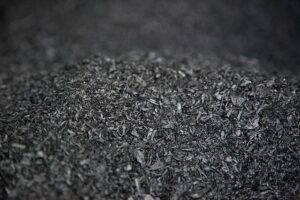
In recent years, the agricultural community has increasingly turned its attention to biochar—a carbon-rich byproduct derived from pyrolyzed organic materials. This alluring substance is not merely a trend but rather a formidable candidate for sustainable agricultural practices and soil enhancement. The conversation surrounding biochar is replete with enthusiasm, curiosity, and a quest for sustainable solutions. As we delve deeper into the status of biochar in agricultural systems, it becomes evident that its multifaceted benefits, challenges, and potential applications merit thorough exploration.
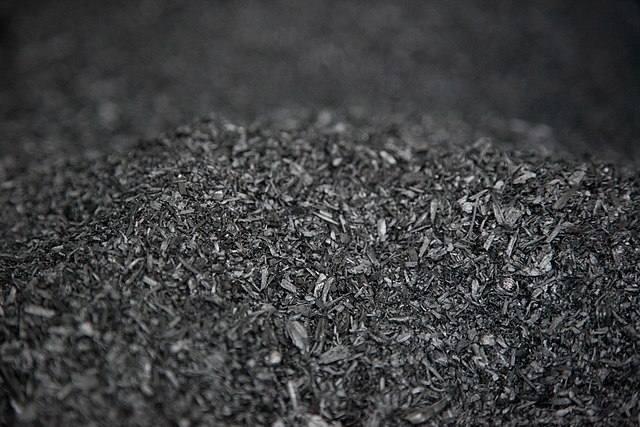
Biochar’s genesis lies in its production through pyrolysis, a thermal decomposition process that occurs in the absence of oxygen. The resultant product possesses distinctive features, including high porosity, a vast surface area, and a unique chemical composition. These characteristics bestow biochar with the ability to improve soil properties substantially, making it an intriguing subject for agricultural research and application. As we unpack the current status of biochar, three primary areas emerge: its role in soil amelioration, its potential for carbon sequestration, and its implications for nutrient management.
### The Role of Biochar in Soil Amelioration
At the crux of biochar’s utility in agriculture is its remarkable ability to enhance soil quality. Upon incorporation into the soil, biochar can improve physical, chemical, and biological properties. The porous structure of biochar facilitates water retention, thereby enabling soils to retain moisture more effectively. This is particularly beneficial in arid and semi-arid regions where water scarcity presents a substantive challenge for farmers.
Conversely, biochar also aids in increasing soil aeration. Its high surface area provides ample space for air pockets, thus fostering a conducive environment for root respiration and microbial activity. This dual role of improving both water retention and aeration captures the attention of agriculturalists, who are perpetually in search of solutions to enhance crop resilience under fluctuating climatic conditions.
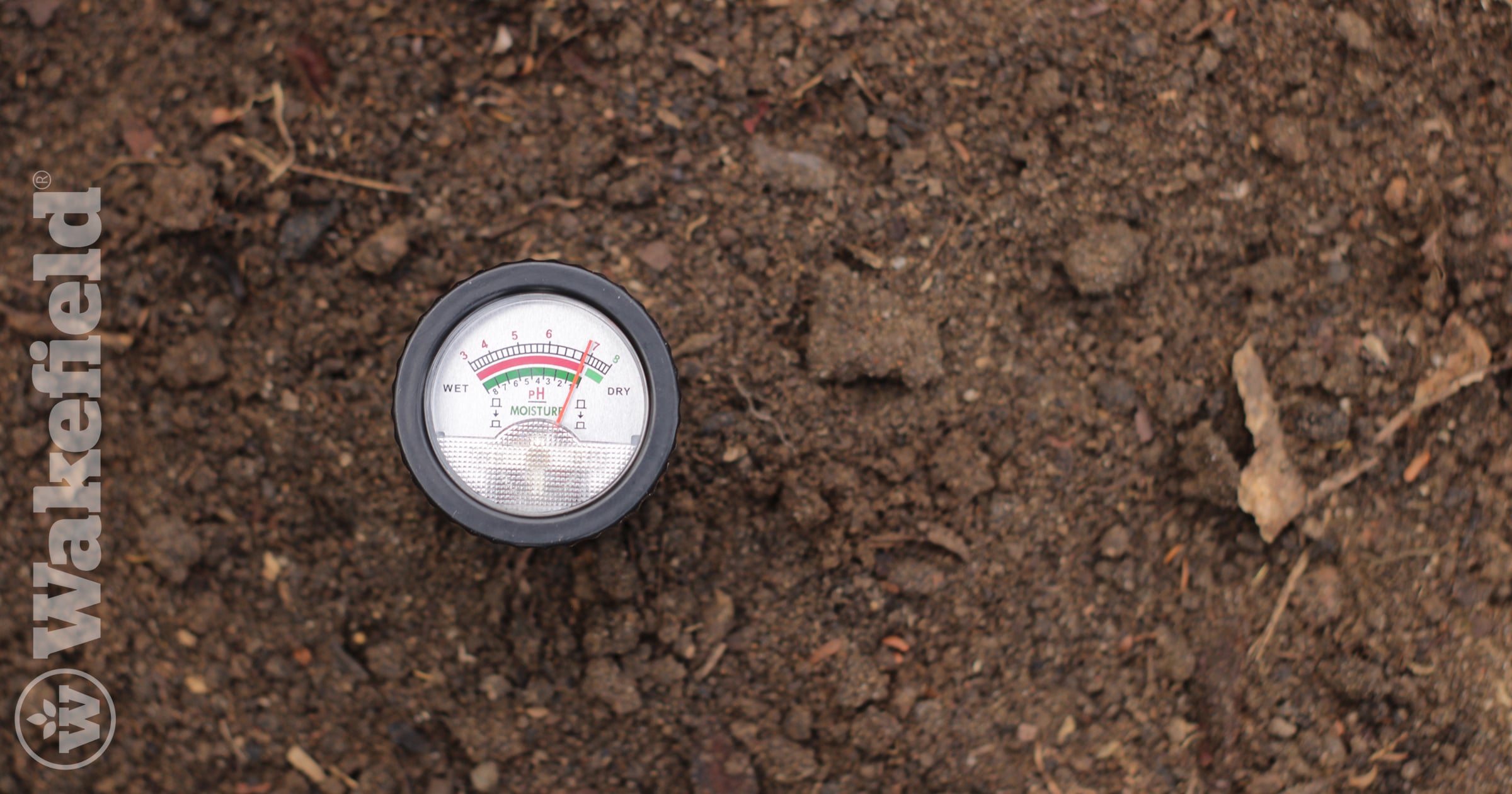
Moreover, biochar contributes to pH regulation in acidic soils, often prevalent in tropical regions. By raising the soil pH, biochar facilitates a more hospitable environment for a broader range of crops, thus diversifying potential agricultural applications. The ameliorative impacts of biochar on soil cannot be overstated and remain a focal point in ongoing agricultural studies.
### Carbon Sequestration Potential
Beyond its agricultural functionalities, biochar presents a remarkable opportunity for climate change mitigation through carbon sequestration. The atmospheric concentration of carbon dioxide continues to rise at alarming rates, prompting a global urgency to explore innovative solutions. The stable nature of biochar allows carbon to be sequestered in the soil for extended periods—potentially hundreds to thousands of years.
Consequently, the application of biochar in agricultural systems could serve as a dual-purpose strategy: enhancing soil fertility while concurrently mitigating greenhouse gas emissions. Researchers argue that widespread adoption of biochar could significantly contribute to the global carbon cycle, ultimately playing a role in achieving climate neutrality. While the mechanisms of carbon stabilization in biochar are becoming increasingly understood, further studies are required to establish standardized protocols for its production and application across diverse soil types and agricultural practices.
### Nutrient Management and Sustainable Fertilization
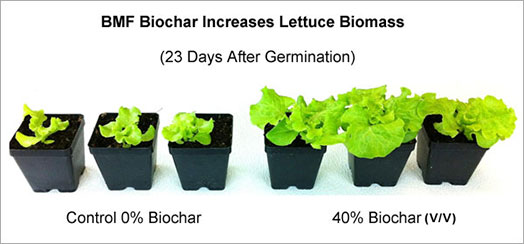
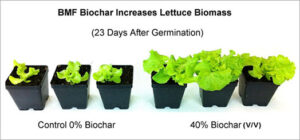
Another critical aspect of biochar in agricultural systems is its capacity for nutrient retention and release. The unique physicochemical properties of biochar can enhance cation exchange capacity (CEC), leading to improved soil nutrient availability. This assists plants in accessing essential nutrients, ultimately leading to healthier crops and increased yields.
Furthermore, biochar has been found to interact synergistically with various fertilizers, enhancing their efficiency and reducing leaching losses. The interplay between biochar and conventional fertilizers can lead to a more sustainable and economically viable farming system, thereby appealing to environmentally conscious producers. Farmers often exhibit interest when they learn that incorporating biochar can minimize synthetic fertilizer use, reducing their input costs and environmental impact.
Nevertheless, the evidence surrounding nutrient management and biochar remains variable, dependent upon numerous factors, including feedstock type, pyrolysis conditions, and local soil characteristics. As such, replicable research is required to draw substantive conclusions and provide farmers with actionable insights.
### Economic Viability and Future Research Directions
While the ecological benefits of biochar are abundant, concerns surrounding its economic feasibility often arise. The cost of production, transportation, and application can be prohibitive, particularly for smallholder farmers. This financial barrier could hinder the widespread adoption of biochar in some regions, emphasizing the need for financial incentives or grants to facilitate access.
Future research endeavors must address these economic considerations while also advancing our understanding of biochar’s interactions with various agricultural systems. Studies investigating biochar’s impact on soil ecosystems, crop productivity, and long-term sustainability should continue to expand. Additionally, collaborative efforts between scientists, policymakers, and farmers are crucial for developing best practices that can be standardized for diverse agricultural contexts.
### Conclusion
In summary, the current state of biochar in agricultural systems reveals a promising yet complex landscape. Its multifarious benefits, ranging from soil amelioration to carbon sequestration and nutrient management, paint a hopeful picture for sustainable agriculture. As researchers forge ahead into uncharted territories of biochar application, society stands at the precipice of a potential agricultural revolution. Embracing these insights augurs well for both environmental stewardship and food security—a dual imperative that resonates deeply in today’s context of climate challenges. As the narrative surrounding biochar unfolds, it is imperative that stakeholders remain open to the possibilities that this remarkable material presents.