Agriculture has always been a dance with the elements, a delicate interplay of sun, soil, and sustenance. Yet, as the modern farmer contends with the ever-evolving challenges brought on by climate change, soil degradation, and dwindling nutrients, a remarkable ally has emerged from the shadows: biochar. This intriguing product, a byproduct of organic matter pyrolysis, holds the potential to revolutionize farming practices. The incorporation of biochar into agricultural systems is akin to adding a protective shield to crops, promoting resilience and sustainability in an increasingly precarious world.
1. What is Biochar?
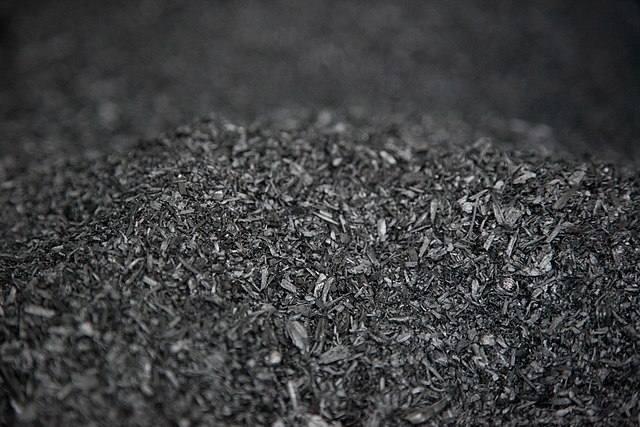
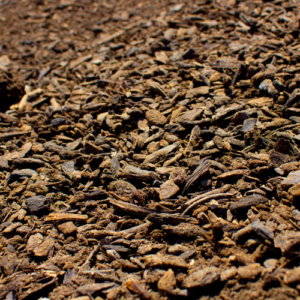
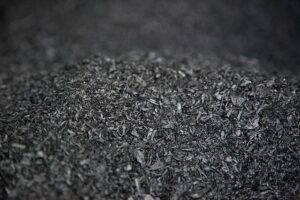
At its core, biochar is a carbon-rich material created through the thermal decomposition of organic matter in the absence of oxygen. Imagine charcoal, but with an elevated status—an elixir for the soil. This material can be derived from an array of sources, including agricultural residues, forestry wastes, and even municipal organic materials. The resulting porous structure of biochar not only sequesters carbon but acts as a habitat for beneficial microorganisms, enhancing soil health in multifaceted ways.
2. Soil Enhancement
Biochar is not merely an additive; it is a transformative agent. Its unique porous structure increases soil aeration and drainage, enabling roots to breathe and absorb nutrients more efficiently. This physical alteration of the soil encourages a thriving ecosystem beneath the surface. Furthermore, the high surface area of biochar serves as a sponge, retaining moisture and nutrients while mitigating nutrient leaching, a problem that haunts many agricultural systems, especially in heavy rainfalls.
3. Nutrient Retention
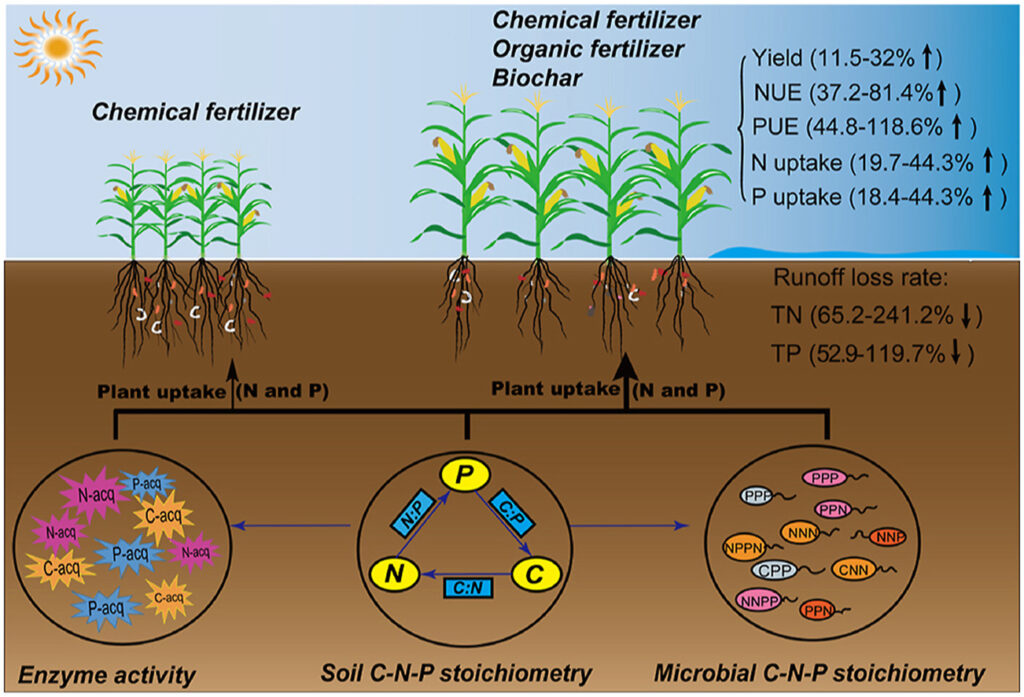
Just as a reservoir stores water for times of drought, biochar captures and holds essential nutrients, transforming the way farmers approach fertilization. Conventional fertilizers often suffer from rapid degradation, but when coupled with biochar, the nutrient release can be extended over time, providing a steady supply that aligns with plant growth. The cation exchange capacity of biochar allows it to retain positively charged nutrients, enriching the soil while conserving resources and minimizing input costs.
4. Improved Crop Yields
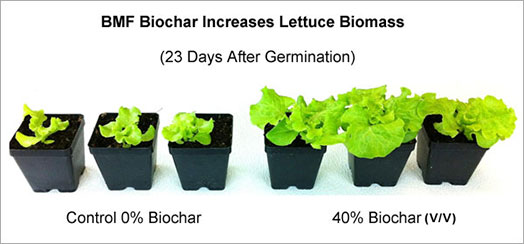
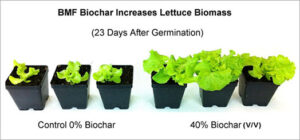
The implications of biochar’s benefits are profound for crop productivity. Studies have shown that incorporating biochar can lead to enhanced yields—sometimes by as much as 30%—regardless of the crops grown. This phenomenon can be likened to a symphony, where each element plays its part to create a harmonious outcome. As biochar improves soil health and nutrient availability, crops respond by reaching their full potential, transforming the agricultural landscape one field at a time.
5. Carbon Sequestration
In an age where carbon footprints weigh heavily on our conscience, biochar emerges as a formidable knight in shining armor. Its production and integration into soil can sequester vast amounts of carbon, locking it away potentially for centuries. This lowers greenhouse gas concentrations in the atmosphere, acting as a bulwark against climate change. By providing farmers with a tool for carbon management, biochar not only enhances productivity but contributes to global sustainability efforts.
6. Biodiversity and Soil Microbes
The introduction of biochar into soil resembles establishing a vibrant neighborhood of microorganisms. The porous nature of biochar provides ideal habitats for a myriad of soil microbes, fostering biodiversity that is crucial for soil health. This thriving microbial community aids in nutrient cycling, organic matter decomposition, and pest suppression. A diverse soil microbiome is analogous to a robust community, where symbiotic relationships flourish and the overall environment thrives.
7. Sustainable Waste Management
The production of biochar also addresses waste management concerns. Agricultural residues, which might otherwise contribute to pollution through burning or landfilling, can be transformed into a valuable resource. This upcycling of waste into biochar not only provides economic benefits to farmers but also minimizes environmental impact, embodying the principles of circular agriculture.
8. Enhancing Soil pH
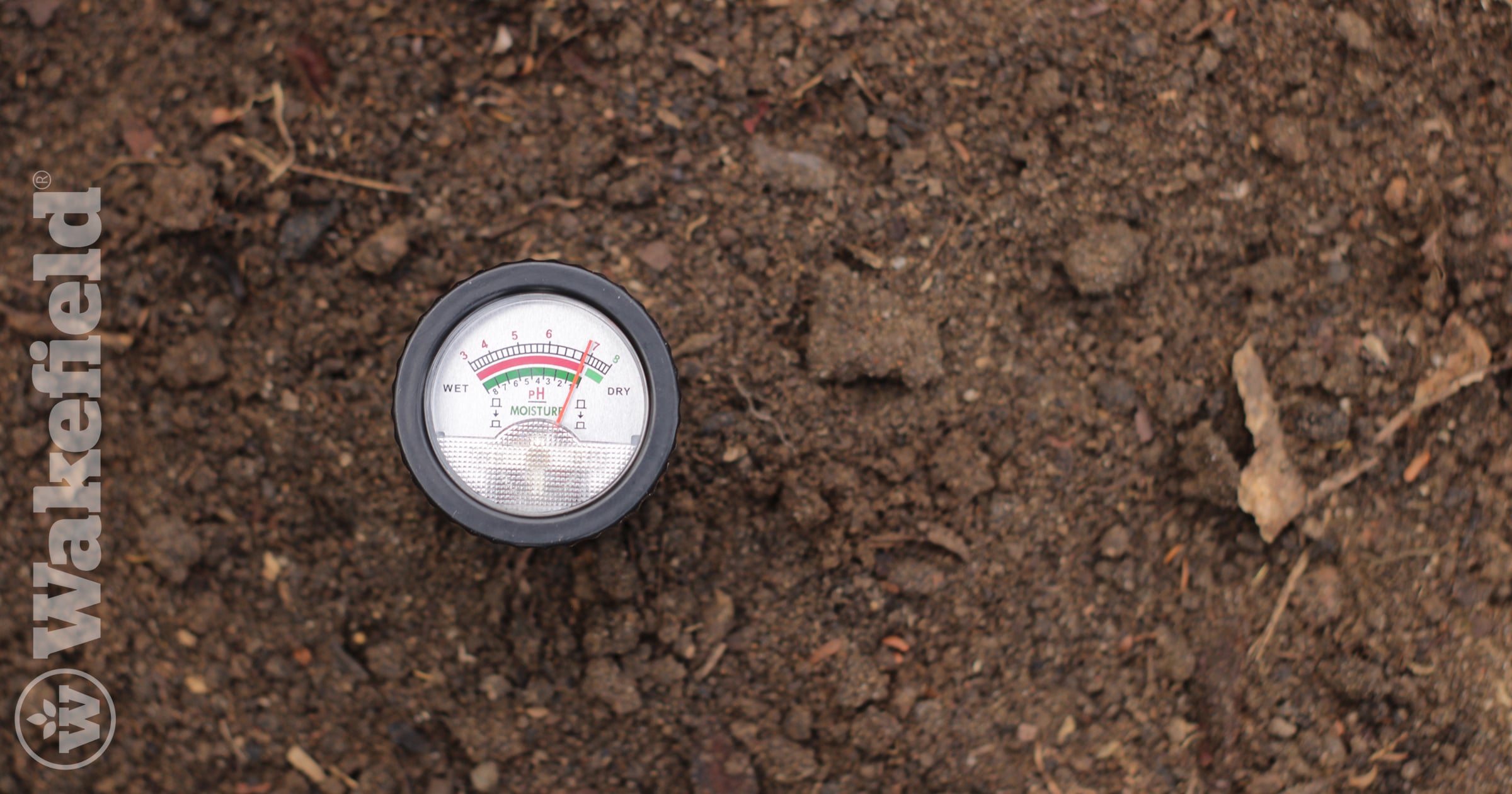
In soils where acidity reigns, biochar acts as a buffering agent, ameliorating pH levels and fostering a more conducive environment for plant growth. This property is particularly beneficial for crops sensitive to acidic conditions. The neutralization of soil acidity promotes nutrient availability, further enhancing plant health. It’s as if biochar crafts a conducive climate, transforming desolate soils into flourishing regions ripe for harvest.
9. Challenges and Considerations
Despite its myriad advantages, the adoption of biochar is not without its challenges. The variability in biochar properties, dependent on feedstock and pyrolysis conditions, requires careful consideration. Farmers should engage in thorough testing to ascertain the most effective application rates and practices for their unique soils. Additionally, while biochar offers many benefits, it is vital to remember that it is not a panacea; it should be integrated into a holistic soil management strategy that includes other sustainable practices.
10. The Future of Agriculture with Biochar
As farmers navigate the complexities of modern agriculture, biochar stands at the forefront of innovation. It offers a pathway to improve soil health, enhance crop yields, and contribute to climate resilience. By blending tradition with technology, the practice of incorporating biochar invites a new era of agricultural stewardship, where the land is treated not just as a resource but as a living, breathing ecosystem. As the sun casts its golden rays upon fields enriched by biochar, it illuminates a future where both farmers and the planet can thrive harmoniously.