The realm of agriculture has invariably been entwined with both abundance and excess. As farmers toil under the sun to cultivate bounteous crops, they often find themselves grappling with the aftermath: a multitude of organic waste materials. Among these, agricultural byproducts have long been a conundrum, viewed merely as detritus and an impediment to the clean fields of sunlit pastures. Yet, lurking within this surplus of waste lies the transformative potential of biochar—a tool for ameliorating soils and mitigating climate change.
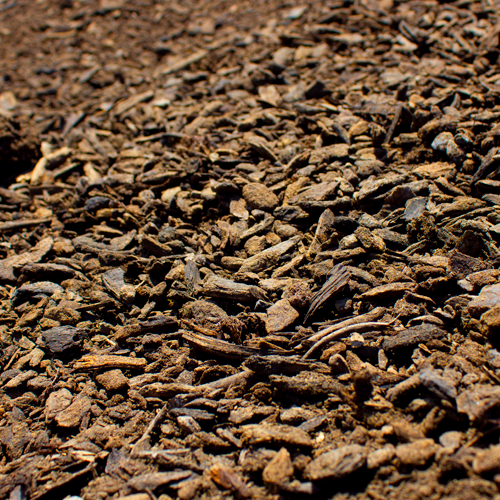
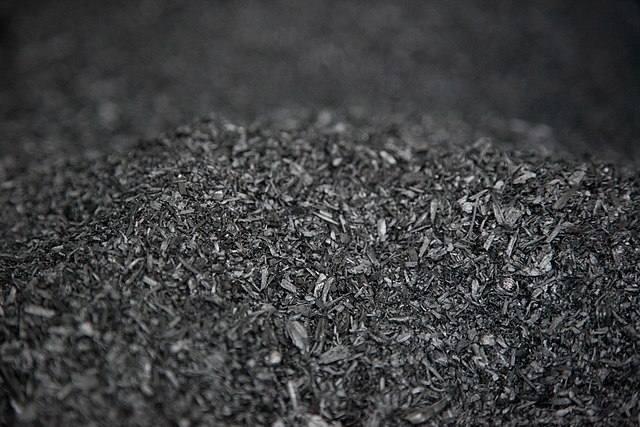
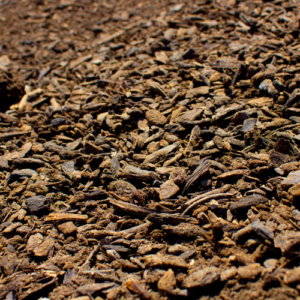
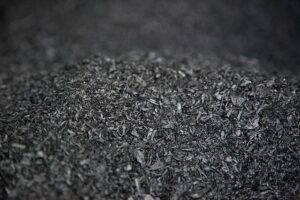
Imagine if you will, the darkened canvas of a charred landscape, the remnants of what once thrived. This soil amendment, born from the very refuse that agriculture discards, beckons with promise. Biochar, the phoenix rising from agricultural ash, is crafted through pyrolysis: a process that exposes biomass to high temperatures in an oxygen-limited environment. This alchemical transformation converts straw, manure, and other organic materials into a stable carbon-rich substance that offers a wealth of benefits to the earth.
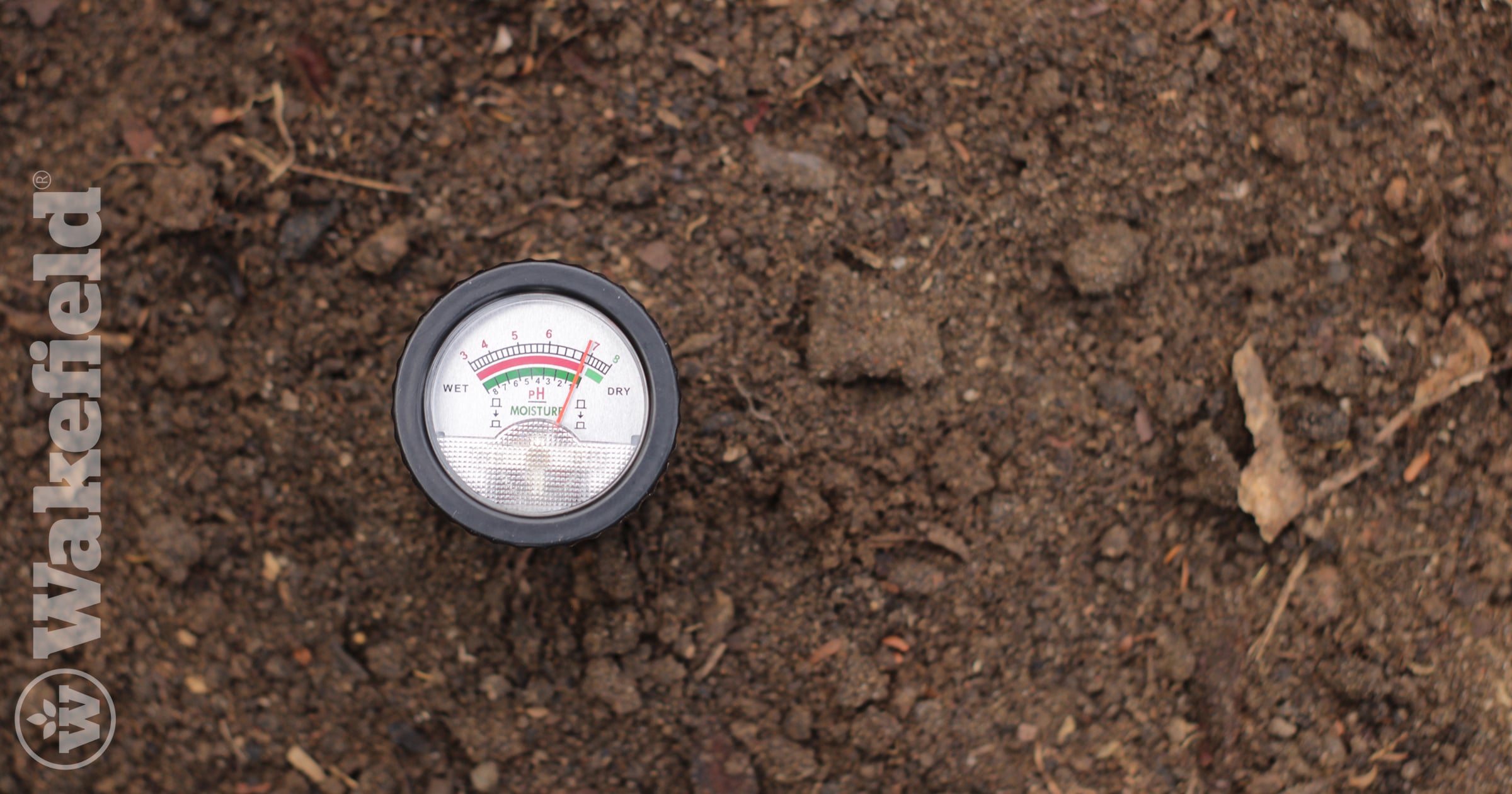
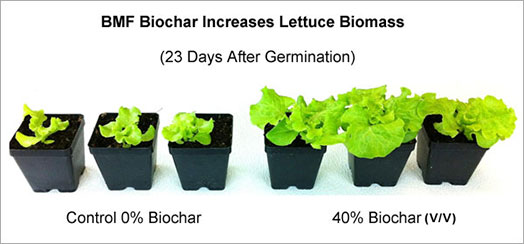
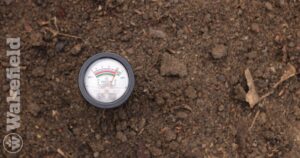
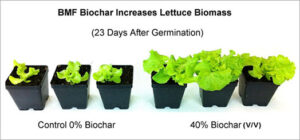
At the very core of biochar’s allure is its capacity to improve soil quality. When introduced to earth, biochar acts much like a sponge, its porous structure fostering a thriving habitat for microorganisms. This microbial activity is essential, as it aids in nutrient cycling, enhances soil fertility, and promotes the growth of resilient plants. Terrific tidings ripple through the agricultural landscape as biochar enhances water retention. Fields treated with this carbon-rich concoction reveal their transformative nature, where plants stand jubilant in drought or deluge, green and flourishing amidst adversity.
Moreover, biochar is not a mere benefactor of soil health; it plays an integral role in environmental stewardship. In an age where climate change looms ominously, capturing carbon holds unprecedented importance. Biochar sequesters carbon for centuries, locking it away and preventing its re-entry into the atmosphere as carbon dioxide—a greenhouse gas notorious for exacerbating global warming. Each handful of biochar is laden not just with transformative power for soil but also with the promise of a cooler planet.
However, the journey of biochar from waste to wealth transcends mere benefits. The magic lies in its versatility. Farmers across the globe employ biochar in various forms, catering to the specific demands of their unique environments. In tropical regions, where heavy rains threaten soil erosion, biochar offers stability and structure. In arid zones, where drought is king, its capacity to increase moisture retention becomes an invaluable asset. Treating soils with biochar serves as a balm for ailing agricultural systems—an earthly remedy born from waste.
The union of tradition and innovation manifests in biochar practices. Indigenous communities, for ages, have ingeniously harnessed the power of charcoal to enhance soil fertility—an ancient wisdom ripe for rediscovery. The practice of making terra preta, or “black earth,” in the Amazon Basin has stood the test of time, exemplifying the sustainable stewardship of land. Modern agriculture can look back to these practices as beacons of wisdom through which to forge a sustainable future. However, it is not merely reminiscences of antiquity that propel biochar into the spotlight; cutting-edge research continues to unveil its multifaceted potential.
Scholarship has burgeoned, revealing the intricacies of biochar’s interactions within the soil microbiome. As scientists delve deeper, understanding of its role in enhancing nutrient availability expands. Whether it’s nitrogen fixation or phosphorus solubilization, biochar is connected to myriad biological processes that simultaneously bolster plant health and salvaged waste in an elegant dance of symbiosis. With every finding, the narrative of biochar grows richer—perplexities unraveled and possibilities expanded.
One cannot overlook the discussive nuances within the agricultural world regarding the production of biochar. The source of the biomass utilized plays a critical role in the contours and characteristics of the final product. Waste sourced from sustainable forestry or agriculture resonates with ethical practices, while residues from indiscriminately harvested landscapes warrant caution. Hence, the virtues of biochar burgeon not only from its mere existence but from the integrity of the means by which it is produced. An emphasis on sourcing is paramount, as it intertwines social responsibility with environmental resilience.
As biochar continues to emerge from the shadows of agricultural waste, its narrative interweaves with the threads of sustainable development and ecological consciousness. Government initiatives and agronomic innovations propel biochar into agricultural policy discussions, influencing strategies aimed at reducing carbon footprints while strengthening food security. In many respects, biochar is not merely a soil amendment but a catalyst for renewed dialogues about the future of farming—a renaissance steeped in respect for the resources of the earth, harnessing the humble remnants of cultivation into life-giving sustenance.
Consequently, the implications for farmers are profound. The prospect of transforming waste into a prodigious resource resonates deeply, offering a sustainable alternative that could alleviate some of the pressures that modern agriculture faces. Farm subsidies could shift to encompass practices that encourage biochar production and application; innovation could flourish at the intersection of agriculture and environmental science, providing a pathway for farmers to become stewards not just of crops but of the planet as well. Through a synergistic approach, biochar becomes a harbinger of sustainable practices, echoing the symphony of rejuvenated landscapes.
In conclusion, biochar stands as a testament to the potent alchemy possible when we reimagine our relationship with agricultural waste. It drapes the land with the potential for regeneration and resilience. What was once viewed as refuse, as an inconvenience, is reshaped into an instrument of renewal. Indeed, in the hands of the conscientious grower, biochar is not just an amendment; it is a luminous beacon guiding the agricultural and ecological realms into an embrace of harmony. Let the whispers of the soil teach us the unparalleled gifts that lie hidden within our humble waste—a narrative that unfolds with every charred morsel, as life, once again, rises from ash.