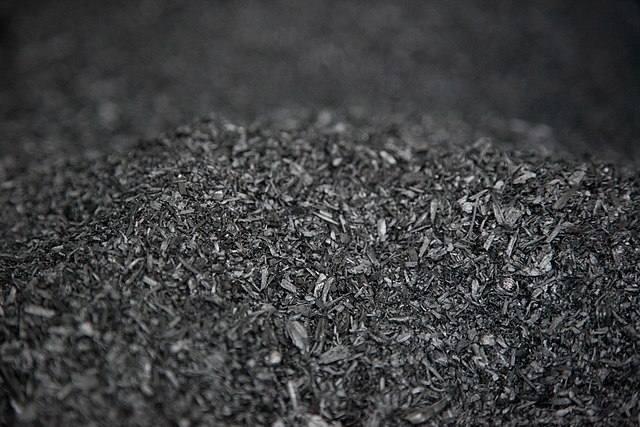
In the expansive world of sustainable agriculture, biochar stands as a quintessential beacon of hope. Often described as “black gold,” this carbon-rich material offers myriad benefits to soil health, water retention, and carbon sequestration. However, like any precious gem, its brilliance shines best when applied with finesse. Understanding the intricacies of biochar application techniques can transform barren landscapes into flourishing ecosystems, much like a maestro harnessing the symphony of colors on a canvas. Here, we delve into the various application techniques of biochar, each method poised to enhance our agricultural practices.
1. Direct Soil Incorporation: The Foundation of Fertility
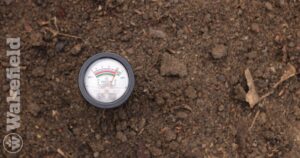
The most rudimentary yet effective technique of applying biochar involves its direct incorporation into the soil. This method resembles the foundation of a grandiose building, as it establishes a base upon which fertility and productivity can thrive. When mixed with topsoil, biochar enhances soil’s water-holding capacity and aeration, creating a nurturing environment for microorganisms and plant roots alike. It is essential, however, to blend biochar thoroughly with soil to ensure even distribution and avoid the negative effects of localized excess.
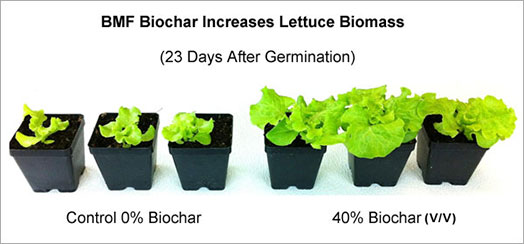
Practitioners often adhere to a 10-20% biochar to soil ratio for optimal results. This ratio, like a carefully balanced recipe, ensures that the characteristics of biochar—its porous structure and nutrient retention—readily play into the hands of the growing flora. Application can take place during pre-planting or as a top-dressing throughout the growing season, unlocking the soil’s potential year-round.
2. Mixed with Compost: The Alchemy of Nutrients
Imagine standing before a cauldron where potent ingredients merge to create a transformative elixir—this is akin to mixing biochar with compost. This alchemical approach amplifies nutrient availability, as the biochar acts as a sponge, absorbing and holding onto vital nutrients released from organic matter. The result is a slow-release fertilizer, delivering a steady stream of nutrients to plants over time, much like a river flowing through a valley, nurturing life along its banks.
This method not only improves the fertility of compost but also aids in maintaining its structure, preventing clumping and fostering a healthy microbial ecosystem. When applied to gardens or crop fields, this dynamic duo exemplifies synergy, ensuring that nutrient cycling becomes an orchestrated symphony rather than a dissonant noise.
3. Biochar in Potted Plants: The Containerized Paradigm
As the urban gardener seeks refuge in verdant sanctuary, biochar serves as a clandestine ally within potting soils. In potted plants, it acts as a miniature reservoir, significantly reducing the frequency and volume of watering. The porous nature of biochar allows for aeration in confined soil spaces while ensuring that moisture does not dwindle too far, much like shadows dancing across a sunlit lawn.
Enhancing potting mixes with 20% biochar can transform container gardening from a mundane task to an art form, where varied flora flourish against all odds. Additionally, the structure of biochar supports beneficial organisms, providing a lush habitat for mycorrhizal fungi and bacteria that are paramount for plant health.
4. Surface Application: The Dust of Life
Surface application of biochar, often likened to a light dusting of powdered sugar on a cake, has its own set of merits. This method involves broadcasting biochar across the surface of fields or gardens and incorporating it lightly into the topsoil. While it may not offer the immediate benefits seen in deeper soil incorporation, it can significantly improve soil structure over time, resembling the gradual shaping of a landscape by the wind’s gentle caress.
Surface application is particularly advantageous for erosion-prone areas. Much like a blanket of insulation, biochar protects against soil degradation while enhancing the soil’s capacity to retain moisture and nutrients. This technique is especially beneficial in arid regions where water scarcity complicates agricultural practices, making it an invaluable strategy for sustainable land management.
5. Biochar as a Remediation Tool: Healing the Anthropocene
In a world plagued by pollution and contamination, biochar emerges as a knight in shining armor. Its application as a remediation tool showcases its transformative powers, akin to a restorative balm applied to a wounded earth. When incorporated into soils contaminated with heavy metals or organic pollutants, biochar adsorbs these detrimental substances, effectively sequestering them and rendering them less bioavailable.
This not only rehabilitates damaged ecosystems but also sparks regeneration, allowing previously uninhabitable land to flourish once more. The use of biochar in this context exemplifies the capacity for natural materials to heal wounds inflicted by industrialization—a vital component of regenerative agriculture.
6. Blending with Fertilizers: A Modern Marriage
As agriculture evolves, blending biochar with traditional fertilizers symbolizes a modern marriage of technology and nature. This innovative technique integrates biochar’s properties with synthetic fertilizers, facilitating nutrient release while simultaneously mitigating the potential risks of over-fertilization that often ravage ecosystems. The combination acts as a lighthouse in the fog, guiding growers toward more sustainable fertilization practices.
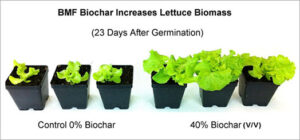
This application method extends the lifecycle of fertilizers—allowing nutrients to become available over an extended period rather than being lost through leaching. Leveraging biochar in this capacity can lead to healthier soils and, ultimately, more robust crop yields, embodying the harmonious balance sought by many in the agricultural community.
In conclusion, the application techniques of biochar encapsulate the essence of transformative agricultural practices. From its foundational role in soil to its innovative incorporation with fertilizers, biochar serves as a multifaceted ally in the quest for sustainability. Understanding and employing these techniques can pave the way for revitalized landscapes, enhanced productivity, and a harmonious relationship between agriculture and the environment. As we harness this remarkable material, we venture toward a greener, more sustainable future, akin to emerging artists cultivating their masterpieces with skill and vision.