In recent years, the concept of biochar has emerged from the shadowy recesses of environmental science and agricultural innovation. While many gardeners and farmers have long observed the extraordinary resilience of certain soils, the production of biochar in backyards is gaining traction as a sustainable practice that not only enriches soil but also sequesters carbon. This remarkable material, a byproduct of pyrolysis, transforms organic waste into a powerhouse of nutrients and aeration, beckoning homeowners to explore its advantages.
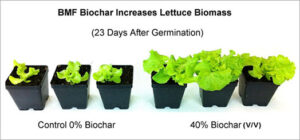
As we delve deeper into the backyard production of biochar, common observations arise—gardens flourish, crops yield more robust harvests, and soils exhibit improved structure. But why does biochar ignite such fascination among enthusiasts? The reasons lie embedded in its multifaceted benefits, aesthetic features, and a nostalgia for eco-friendliness. By understanding the nuances of biochar production, one can appreciate why it captivates the hearts and minds of sustainability advocates.
Understanding Biochar
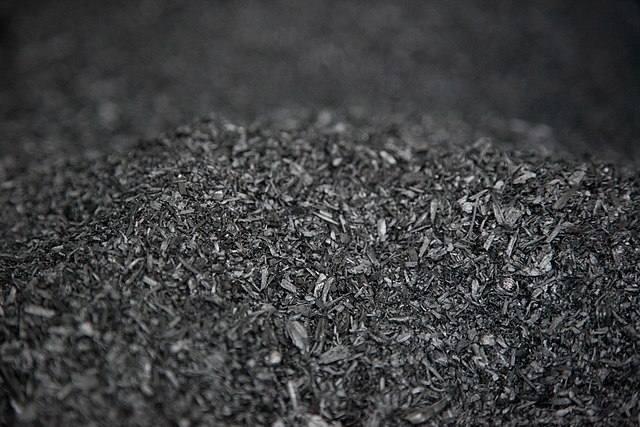
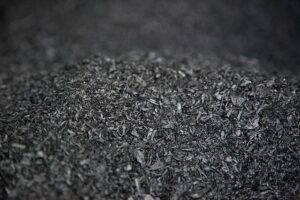
To appreciate biochar’s allure, one must first comprehend its composition. Biochar is produced through the thermal decomposition of organic material, such as wood chips, agricultural residues, or even kitchen scraps, in the absence of oxygen—this process is known as pyrolysis. Unlike traditional composting, where nutrients may dissipate or decompose, biochar retains the vast majority of its chemical structure, ultimately forming a stable carbon sink. The resultant product serves not just as an amendment but as a fortified elixir capable of enhancing soil health.
The Science Behind the Magic
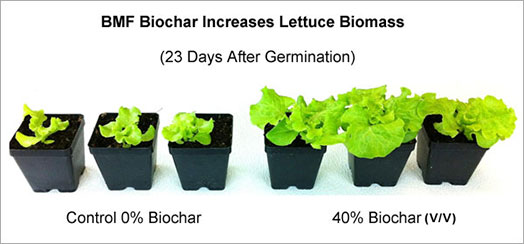
The infusion of biochar into agricultural settings facilitates a profound transformation of soil dynamics. The porous structure of biochar increases soil aeration and moisture retention, creating a haven for beneficial microorganisms. Consequently, this enhancement catalyzes nutrient cycling, enabling plants to access nutrients more readily while reducing the requirement for chemical fertilizers. Adopting biochar can curtail the leaching of nutrients, thereby promoting a more sustainable ecosystem.
Common Concerns: Misconceptions and Clarity
Despite the growing recognition of its benefits, misconceptions swirl around biochar, deterring some from embracing this natural phenomenon. A prevalent concern relates to the fear of toxic byproducts. When produced correctly, at optimal temperatures and with suitable feedstocks, biochar contains minimal harmful substances. Instead, it houses myriad micronutrients essential for plant vitality.
Moreover, skeptics often doubt whether backyard production can yield biochar of comparable quality to commercial products. While varying parameters can influence the outcome, DIY biochar production, utilizing simple techniques, often results in an effective product. This encourages gardeners to engage with their environment in compelling ways, often leading to unforeseen benefits.
The Backyard Biochar Production Process
Creating biochar in the comfort of one’s backyard is both an innovative and accessible venture. The initial step involves gathering suitable organic materials. Ideally, one should aim for dry, carbon-rich inputs such as wood chips, sawdust, or agricultural residues; these ingredients serve as the feedstock for the pyrolysis process.
Next, select a method for pyrolysis. One prevalent approach is the use of a simple backyard kiln. Constructing a basic cob-style or metal drum kiln can facilitate the controlled burning of organic materials. This method allows practitioners to monitor the oxygen levels, ensuring that carbonization occurs, rather than full combustion. Alternatively, a more sophisticated setup like the top-lit updraft (TLUD) kiln, which incorporates fans and feedstock layering, can also deliver sophisticated results with minimal emissions.
As temperatures escalate, destructive distillation occurs, and organic compounds break down. The process may take several hours, yielding familiar aromatic scents—reminiscent of a campfire. Upon completion, the charred product can be quenched with water or covered with soil to halt further combustion. Adequate storage is necessary for later application, which can occur after amalgamation with compost to enhance microbial life.
Application: Unleashing Biochar’s Potential
Integrating biochar into existing gardening or farming routines beckons the question of application. Mixing biochar with soil amendments before planting significantly boosts its effectiveness. Alternatively, top-dressing garden beds with biochar enhances moisture retention during hot summer months, yielding healthier plants.
Moreover, combining biochar with compost can create a thriving microbial community, unlocking even further nutrient potential. Essentially, biochar acts as a sponge for nutrients, reducing their leaching away during heavy rains—an invaluable aspect for sustainable agriculture.
Environmental Impact: A Carbon Sequestration Marvel
Beyond personal gardening benefits, biochar’s role in mitigating climate change deserves recognition. By transforming organic waste into stable carbon, biochar mitigates emissions while fostering healthier soils. As governments and institutions explore climate-smart agriculture, biochar emerges as a beacon of hope—a testament to mankind’s ability to embrace nature-driven solutions.
A Cultural Shift: Engaging with Biochar
Thus, backyard biochar production represents not merely a trend but a profound cultural shift towards sustainable practices. This newfound obsession encourages individuals to reengage with their surroundings, bridging gaps between history and modernization. As urbanization encroaches, practices that revive ancient agrarian wisdom promise to enhance both the land and the community.
In summary, biochar production in backyards encapsulates a seamless blend of scientific ingenuity and environmental stewardship. The persistent curiosity surrounding biochar’s potential transcends mere horticultural fascination, aiming at a deeper connection to the earth. Engaging in this ancient practice both nurtures the soil and cements a commitment to sustainability—a compelling narrative that continues to inspire eco-friendly initiatives.