In the realm of sustainable agriculture and carbon sequestration, biochar emerges as a promising actor, much like a transformative hero in an epic saga. Imagine a substance forged from the remnants of organic matter, imbued with the power to rejuvenate soils and capture carbon in a metaphorical time capsule. However, as with every hero, biochar possesses both remarkable capabilities and inherent limitations—a duality that invites exploration.
The Essence of Biochar
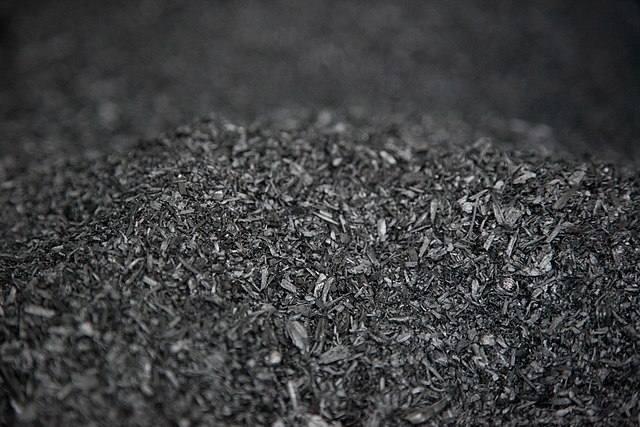
Biochar is essentially charcoal produced through the pyrolysis of biomass—organic materials subjected to high temperatures in the absence of oxygen. This ancient practice revitalizes agricultural landscapes while simultaneously addressing contemporary environmental challenges. When sprinkled onto the soil like a magic dust, biochar yields myriad benefits, acting as a veritable alchemist, transforming arid terrains into fertile ground.
1. Soil Enhancement: The Magic of a Healthier Terroir
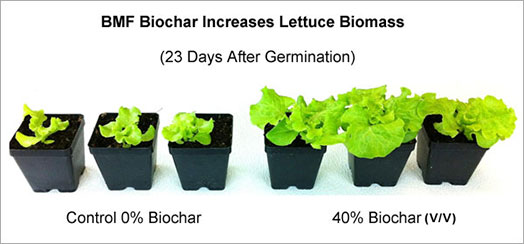
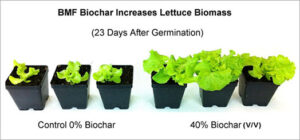
The primary allure of biochar lies in its ability to improve soil structure and fertility. It serves as an exquisite amendment, enhancing the soil’s physical, chemical, and biological properties. Picture a sponge soaking up water; biochar performs a similar function, increasing soil porosity and allowing roots to breathe and flourish. This augmented aeration helps retain moisture, reducing the frequency of irrigation necessitated by drought conditions. As a result, farmers witness an increase in yield and robust crop growth—a tantalizing prospect in times of climate uncertainty.
Moreover, biochar enriches soils with nutrients. Its structure fosters the retention of essential micronutrients, effectively acting as a slow-release nutrient reservoir. This means fertilizers can be more efficiently utilized, mitigating the risks of runoff and leaching that plagues conventional agriculture.
2. Carbon Sequestration: A Green Marvel
Beyond improving agricultural productivity, biochar represents a formidable ally in the battle against climate change. When incorporated into soil, it sequesters carbon for centuries—indeed, biochar is akin to a buried treasure trove of carbon. It captures and holds carbon from the biomass from which it is derived, preventing its release back into the atmosphere as CO2. This remarkable capability helps to combat global warming, contributing to a more sustainable future.
Studies indicate that the application of biochar can reduce greenhouse gas emissions from soils while also lowering ambient atmospheric levels. It is a climate champion, bravely combating the carbon dioxide menace while enhancing agricultural landscapes.
3. Waste Management: Turning Refuse into Resource
One of biochar’s most article-worthy attributes is its implicit role in waste management. In an era where organic waste is more common than ancient artifacts in a museum, biochar offers a sophisticated solution. The production of biochar from biomass waste—such as forestry byproducts, agricultural residues, and even yard waste—transforms refuse into resource. This recycling process not only reduces landfill dependency but also promotes a circular economy where waste is repurposed, reflecting the cyclical rhythms of nature.
The Duality: Limitations of Biochar
1. Variable Quality: The Gambit of Composition
2. Cost and Accessibility: The Economic Jigsaw
3. Risk of Over-Reliance: A Cautionary Note
Conclusion: Embracing Biochar’s Promise