Biochar 101: A Complete Introduction to the Science and Applications
Biochar has emerged as a revolutionary tool in the contemporary discourse surrounding sustainable agriculture and carbon sequestration. As global concerns regarding climate change and soil degradation escalate, the understanding of biochar’s multifaceted applications becomes all the more critical. This article seeks to elucidate the science behind biochar, explore its myriad applications, and underscore its importance in both environmental sustainability and agricultural productivity.
What is Biochar?
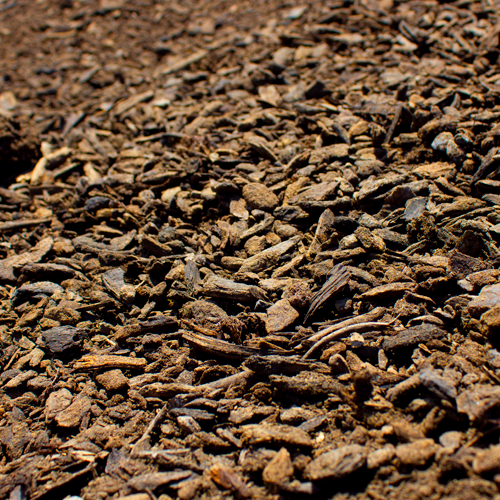
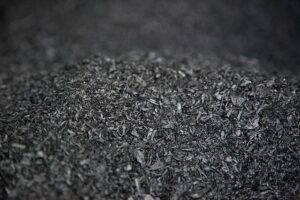
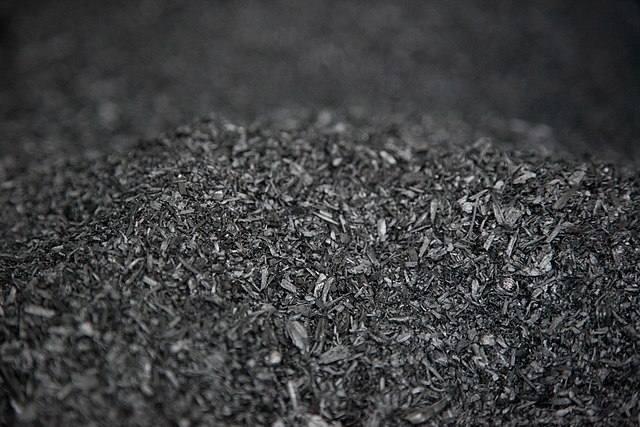
At its core, biochar is a form of charcoal produced through the pyrolysis of organic materials—such as agricultural waste, forestry residues, and even some industrial by-products—in a low-oxygen environment. This process not only generates biochar but also biofuels and other valuable byproducts, making it a versatile output of a sustainable energy system. Biochar is distinguished by its stable carbon structure and porous nature, which allows it to retain nutrients and improve soil health.
The Science Behind Biochar
The production process of biochar revolves around the ancient technique of pyrolysis, which can be fine-tuned to produce various types of biochar depending on the feedstock used, temperature, and duration of the process. The resulting product is typically rich in carbon and features a unique microstructure that increases its surface area, providing a habitat for beneficial microorganisms.
One of the fundamental scientific principles underlying biochar is the concept of carbon sequestration. When biochar is incorporated into soil, it can lock carbon away for hundreds or even thousands of years, effectively reducing the amount of carbon dioxide in the atmosphere. This attribute positions biochar as a potential ally in combating climate change while simultaneously enhancing soil fertility.
Types of Biochar
Biochar can be categorized into various types based on the feedstock and production methods employed. Here are some notable types:
- Wood-based Biochar: Produced from hardwood or softwood, this type boasts high carbon content and stability.
- Agricultural Waste Biochar: Derived from crop residues like corn stalks or rice husks, this variant offers nutrient-rich properties beneficial for soil improvement.
- Manure-based Biochar: Created from animal waste, this biochar is nutrient-dense and has the potential to mitigate odors and pathogens.
- Mixed Feedstock Biochar: A combination of various organic materials, allowing for tailored properties suited to specific agricultural needs.
Each type of biochar presents unique benefits, making it critical to select the appropriate variant for specific applications.
Applications of Biochar
The versatility of biochar lends itself to a multitude of applications in agriculture, environmental remediation, and even urban planning. Here are some vital applications that underscore its significance:
1. Soil Improvement
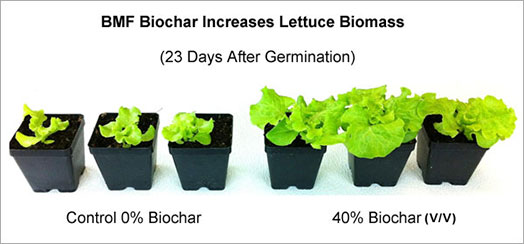
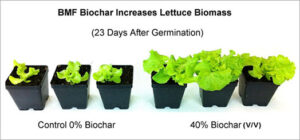
Biochar enhances soil structure, provides essential nutrients, and improves moisture retention. Its porous nature allows it to house beneficial microbes that play a crucial role in nutrient cycling. Consequently, fields treated with biochar often observe increased crop yields and improved soil health over time.
2. Carbon Sequestration
The integration of biochar into soil acts as an effective long-term carbon storage solution. By sequestering carbon that would otherwise contribute to atmospheric CO2 levels, biochar represents a proactive approach to mitigating climate change.
3. Waste Management
Biochar production can play a significant role in waste management by converting organic waste materials into a valuable product rather than allowing them to decompose and release methane, a potent greenhouse gas. Thus, biochar serves as a means to close nutrient loops within agricultural systems.
4. Water Quality Improvement
Biochar can also function as a filtration medium for stormwater and wastewater treatment, helping to remove contaminants and improve overall water quality. Its high sorption capacity enables it to absorb excess nutrients and pollutants, addressing critical environmental issues.
5. Urban Agriculture and Green Spaces
As urban areas expand, the application of biochar in urban agriculture and green infrastructure has gained traction. It enhances soil in raised beds, community gardens, and municipal landscaping, promoting sustainable practices that benefit urban dwellers.
Challenges and Considerations
Despite its myriad benefits, the adoption of biochar is not without challenges. Questions surrounding the consistency of biochar properties, feedstock quality, and production methods need to be addressed. Moreover, while biochar presents promising responses to climate change, its introduction into ecosystems must be carefully managed to avoid unintended ecological consequences.
Conclusion
Biochar embodies a confluence of ancient wisdom and modern scientific innovation, spotlighting its potential in promoting environmental sustainability and agricultural resilience. By understanding the science, methods, and applications of biochar, stakeholders—from farmers and policymakers to researchers and environmentalists—can harness its benefits to foster a healthier planet. As further research unfolds, the relevance and applications of biochar are poised to expand, solidifying its status as an indispensable asset in the fight against climate change and in the establishment of sustainable agricultural practices.