In the contemporary discourse concerning climate change and sustainable agricultural practices, biochar has emerged as a pivotal subject of interest. What exactly is biochar, and why is it considered an essential tool in carbon capture? This article delves into the intricacies of biochar, elucidating its definition, production methods, environmental benefits, and diverse applications. By the end of this guide, you will have a thorough understanding of biochar and its potential to heal our planet.
Understanding Biochar
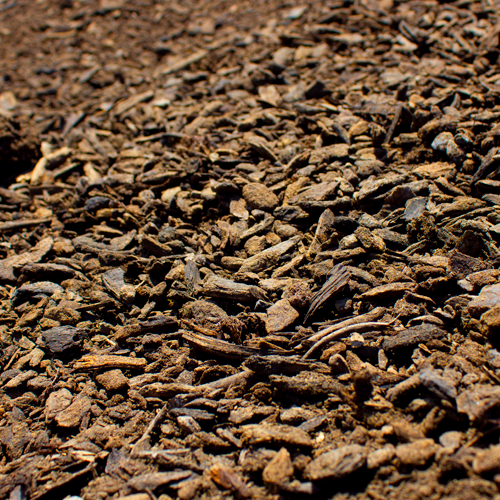
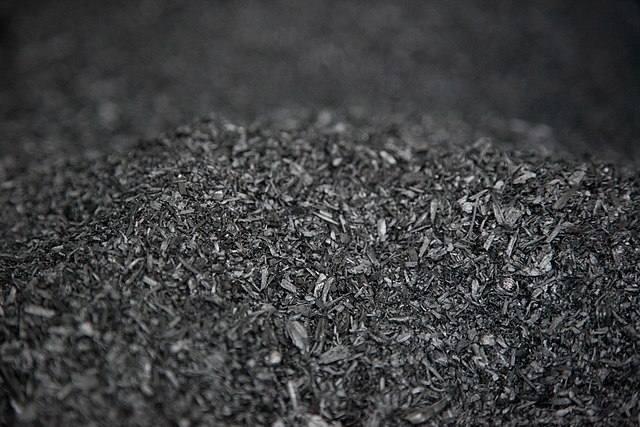
At its core, biochar is a stable form of carbon produced via the pyrolysis of organic material, such as wood, agricultural residues, or manure. This process entails heating biomass in the absence of oxygen, resulting in a charcoal-like substance. The term “biochar” derives from its biological origins and its carbon-rich composition.
Biochar differs from traditional charcoal in that it is tailored specifically for use in agriculture and environmental remediation. The unique attributes of biochar include its porous structure, extensive surface area, and high carbon content, which collectively facilitate its role in enhancing soil fertility and sequestering carbon.
The Production of Biochar
Producing biochar involves various methods, each yielding distinct characteristics. One prevalent technique is slow pyrolysis, where biomass is subjected to heat over an extended duration. This method maximizes carbon retention while minimizing the release of volatile compounds.
Alternatively, fast pyrolysis rapidly decomposes organic matter under high temperatures, resulting in bio-oil and syngas, alongside biochar. Other methods include gasification, which partially oxidizes biomass, and hydrothermal carbonization, a process involving water and heat pressure to convert organic material into biochar.
Furthermore, innovative technologies like microwave-assisted pyrolysis are on the horizon, offering enhanced efficiency and potential cost reductions. Each production method influences the physical and chemical properties of the biochar, impacting its effectiveness in various applications.
Environmental Benefits of Biochar
The environmental significance of biochar cannot be overstated. Its potential as a carbon sink plays a central role in climate change mitigation. When applied to soils, biochar can sequester carbon for hundreds to thousands of years, substantially reducing atmospheric CO2 levels.
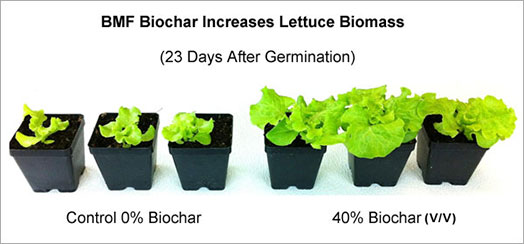
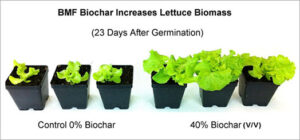
Beyond carbon capture, biochar ameliorates soil health and fertility. Its porous nature improves soil aeration and water retention, fostering a conducive environment for plant roots and beneficial microorganisms. This enhancement leads to improved nutrient uptake, reduced fertilizer reliance, and ultimately, increased crop yields.
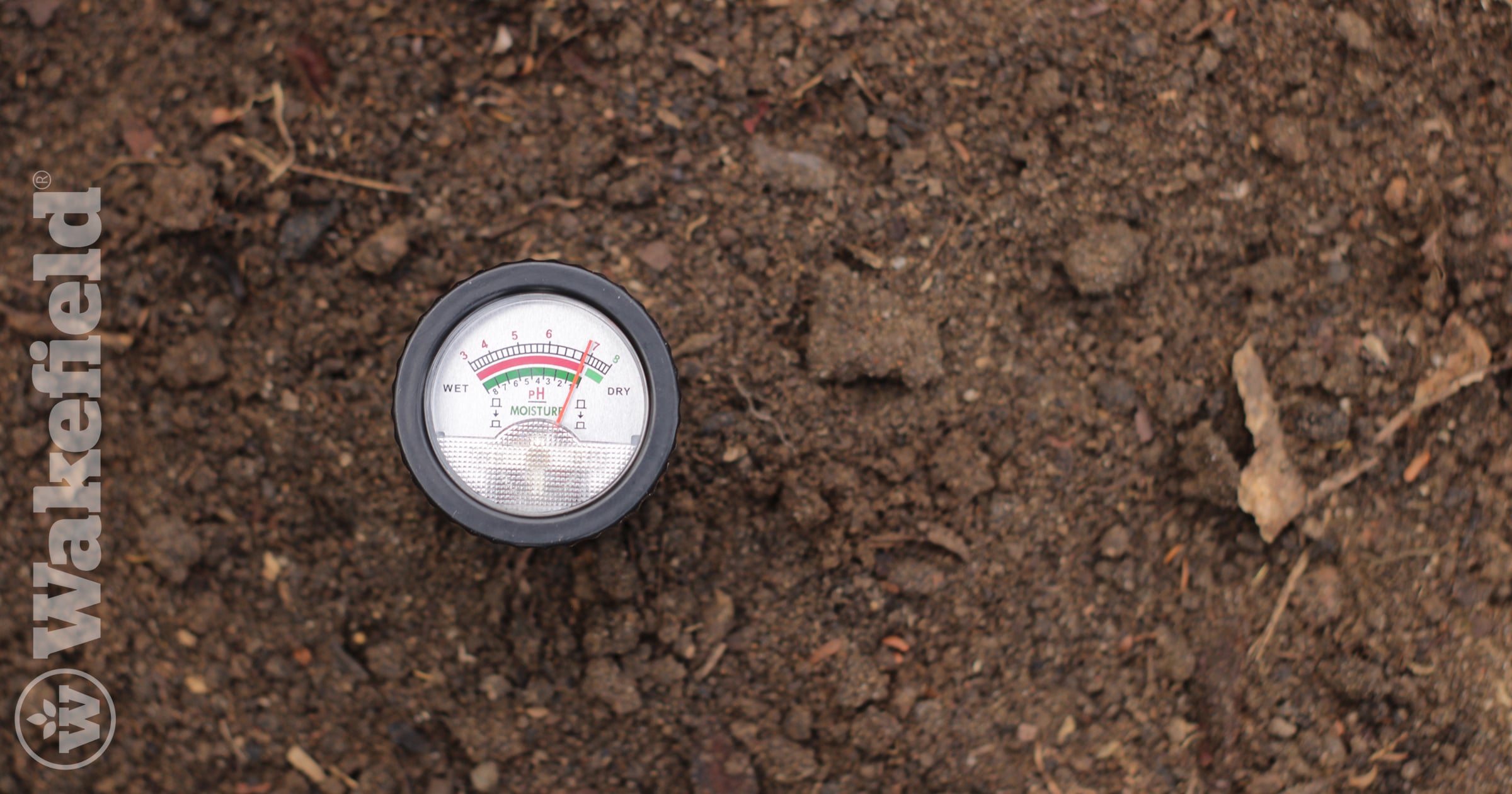
Moreover, biochar contributes to soil pH stabilization and reduces the leaching of nutrients, which is particularly beneficial in agricultural landscapes prone to runoff. By enhancing soil structure, biochar can also mitigate erosion, further preserving topsoil integrity.
Additionally, biochar serves as an effective medium for the remediation of contaminated sites. It possesses the capacity to adsorb heavy metals and organic pollutants, transforming hazardous locations into usable land. This dual role as a soil enhancer and pollutant filter reinforces biochar’s status as a multifunctional environmental agent.
Applications of Biochar
Biochar’s versatility extends beyond agriculture and environmental cleanup. Applications of this remarkable substance span various sectors:
- Agricultural Use: Farmers can incorporate biochar into their cropping systems to bolster soil fertility, enhance water retention, and mitigate greenhouse gas emissions from soils. Crop trials have demonstrated significant yield improvements in crops like corn, soybeans, and various horticultural products.
- Animal Husbandry: Incorporating biochar into animal feed can improve digestion and reduce methane emissions from livestock. Furthermore, biochar bedding for livestock can decrease odor and pathogens in manure, resulting in healthier animals and sustainable waste management practices.
- Urban Development: Urban planners can integrate biochar into green infrastructure, such as biofilter systems, to enhance stormwater management while sequestering carbon in city landscapes. This application promotes urban resilience against climate change.
- Energy Generation: Biochar production can be coupled with energy generation through processes like gasification. The syngas produced in this method can be utilized as a renewable energy source, thus creating a closed-loop system that benefits both energy sustainability and carbon capture.
Challenges and Considerations
Despite its myriad benefits, several challenges accompany biochar adoption. Production costs can be prohibitive, particularly for smallholder farmers. Additionally, ensuring the consistent quality of biochar is essential since its efficacy depends on its characteristics, which can vary by feedstock and production method.
Moreover, the scientific community is engaged in ongoing research to ascertain the long-term impacts of biochar on soil ecosystems and its interactions with local environment variations. An important consideration is the carbon offset that results from the transport of biochar; thus, a localized approach is often recommended.
Conclusion
Biochar stands at the intersection of sustainability, climate mitigation, and agricultural innovation. Its ability to sequester carbon while enhancing soil health presents a viable solution to some of the pressing challenges facing the global environment. As research continues to evolve, the applications and benefits of biochar become increasingly pronounced, promising a brighter, more sustainable future for generations to come. In light of this profound potential, it is imperative that stakeholders across various sectors explore and invest in biochar initiatives to ultimately grasp its transformative potential.